
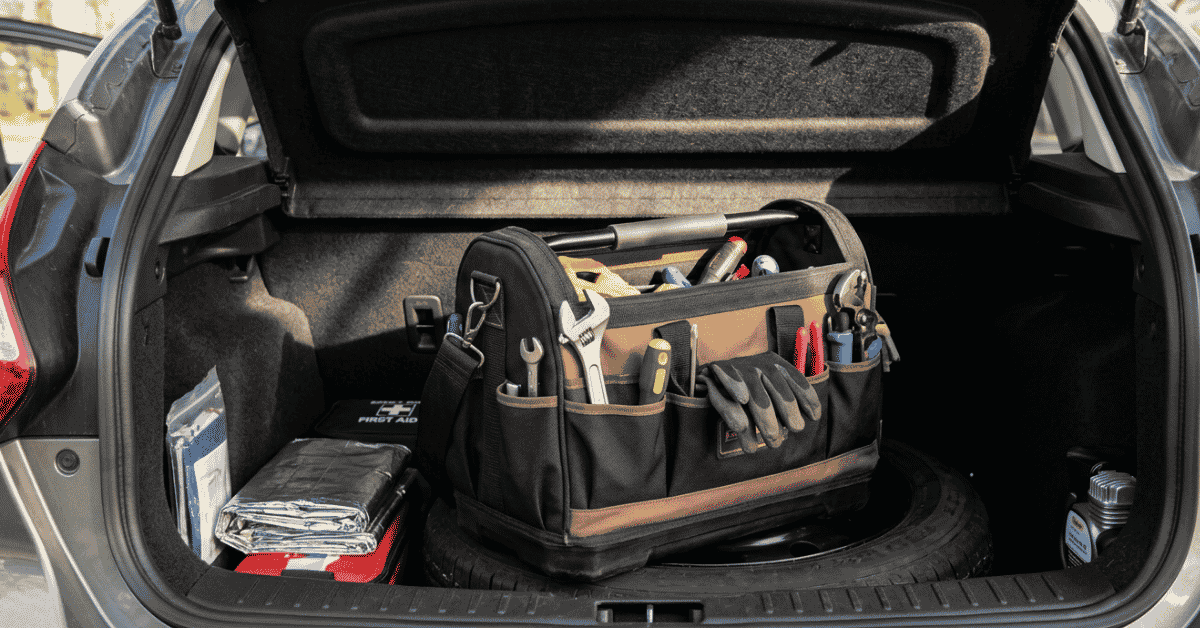
Having a dedicated tool bag for your car is one of those simple preparations that pays off big time. We’ve all been there: a weird rattle, a loose connection, or that dreaded flat tire. Having the right tools right there can turn a roadside panic into a quick fix.
It’s about being ready for the minor hiccups life throws at our vehicles.
Our research indicates that most drivers feel more confident on the road when they have basic automotive tools within reach. Manufacturer specifications for many common tool bags show capacities ranging from holding 10-20 individual tools, fitting neatly into passenger car trunks or under seats. This guide will help you choose the right one.
Quick Answer
A tool bag for car use should be durable, organized, and appropriately sized for your vehicle’s storage space. Look for strong fabric like canvas or nylon with multiple pockets for items such as wrenches, screwdrivers, pliers, and basic emergency gear. Options include soft-sided bags, roll-up pouches, and open-top totes, each offering different benefits for preparedness and organization.
The Common Car Tool Bag Options: A Closer Look
When you’re shopping for a car tool bag, you’ll quickly see there isn’t a one-size-fits-all solution. The primary goal is to keep your essential tools secure and accessible. We can break down the most common types into a few key categories, each serving slightly different needs and preferences for vehicle owners.
Comparing Soft Bags, Rolls, and Totes
Aggregate reviews often highlight a few distinct styles:
- Soft-Sided Tool Bags: These are the most traditional. They’re typically made from heavy-duty canvas or nylon, featuring a zipper and sturdy handles. They offer a good balance of storage space and flexibility, able to hold a variety of tools. Their pliable nature means they can often be tucked into irregular spaces in your trunk.
- Roll-Up Tool Bags (Tool Rolls): Perfect for organizing sets of tools like wrenches, sockets, or screwdrivers neatly. They unroll to reveal individual pockets and then roll back up compactly. This design keeps tools from shifting and clanking against each other.
- Open-Top Tote Bags: Designed for maximum accessibility. These bags often have a reinforced open top, allowing you to see and grab tools instantly without fumbling with zippers. They’re great for frequently used items but offer less protection from dust or spills.
Each type has its own advantages depending on what you plan to store and how you plan to access it.
Key Features That Matter in a Car Tool Bag
Beyond the basic type, several features significantly impact a tool bag’s usefulness and longevity in a vehicle. Our research into user feedback and manufacturer data points to a few critical attributes to consider before making a purchase, ensuring you get a bag that truly serves its purpose.
Durability and Materials
The material is your first line of defense. Look for bags constructed from rugged materials like 600D or 1000D canvas or ballistic nylon. These fabrics are chosen for their resistance to tears, abrasions, and punctures, essential when tools are rattling around.
- Water Resistance: Many bags offer some level of water resistance, which is crucial if you store your bag in a trunk that might collect moisture. Check for coated fabrics or sealed seams.
- Stitching Quality: Reinforcement stitching, especially at stress points like handle attachments and pocket seams, is a strong indicator of a bag’s ability to withstand heavy use.
Organization and Pockets
A tool bag’s primary job is organization.
- Internal Pockets: These can range from simple pouches to elasticated straps designed to hold specific tools like screwdrivers or pliers. For example, a car maintenance schedule might dictate you need regular access to certain items, making well-designed internal pockets vital.
- External Pockets: Useful for items you need to access quickly, like gloves, a flashlight, or a tire pressure gauge. Some bags feature magnetic closures or velcro for easy access.
- Compartments: For more structured organization, some bags offer dedicated compartments, helping to prevent smaller items from getting lost or tools from scratching each other.
Size and Portability
The dimensions of the bag are critical. A bag that’s too large won’t fit where you intend to store it, and one that’s too small won’t hold what you need.
- Vehicle Space: Consider your car’s trunk dimensions or under-seat storage areas. As of 2026, many compact sedan trunks offer roughly 15 cubic feet of space, so a bag around 18-24 inches in length is often a good starting point.
- Handles and Straps: Comfortable, reinforced handles are a must for easy carrying. Some bags also include a padded shoulder strap, which can be helpful if you need to carry tools away from the vehicle.
Who Needs What Kind of Car Tool Bag?
Choosing the right tool bag isn’t just about picking one that looks good; it’s about matching its capabilities to your specific needs and how you use your vehicle. If you’re wondering which type might be best suited for your situation, consider these scenarios.
Best for Emergency Preparedness
For drivers who want to be ready for common roadside issues like a flat tire or a dead battery, a soft-sided tool bag is often ideal. It’s versatile enough to hold jumper cables, a tire patch kit, basic wrenches (perhaps like those for a spanner for car battery), screwdrivers, and a small first-aid kit. The flexibility allows it to fit alongside other emergency items.
Best for Regular Maintenance
If you’re someone who performs routine maintenance like oil changes or minor tune-ups yourself, a more structured or open-top tote might be more beneficial. An open-top tote bag allows for quick access to frequently used items such as socket sets, pliers, and oil filters. For organizing specific sets of tools, like those you’d find in a 9 car engine oil change tools worth having list, a roll-up tool bag keeps everything tidy and prevents loss.
Best for Minimalists
For those who prefer to keep their vehicle as uncluttered as possible but still want to be prepared, a compact roll-up tool bag or a small, dedicated pouch attached to the side of another organizer is the way to go. These are perfect for carrying just the absolute essentials, a multi-tool, a few common-size wrenches, and maybe some zip ties or duct tape. They take up very little space and keep those few critical items from rolling around loose.
Common Mistakes When Picking a Car Tool Bag
Even with the right intentions, it’s easy to make a misstep when selecting a tool bag for your car. Understanding these common pitfalls can help you avoid ending up with a bag that doesn’t quite meet your needs or wears out too quickly. Our analysis of user feedback and product design indicates several frequent errors.
Overlooking Durability
A bargain price can be tempting, but a tool bag that disintegrates after a few months of use isn’t a bargain at all. Flimsy stitching, thin fabric that tears easily, or weak zippers will lead to frustration.
- What to Look For: Prioritize bags made from heavy-duty canvas or reinforced nylon. Check that seams are double-stitched and that zippers feel robust and smooth.
Getting the Wrong Size
Too big and it won’t fit, too small and it won’t hold what you need. It’s a common issue that arises from not measuring your storage space or not considering the volume of tools you plan to carry.
- What to Do Instead: Measure your intended storage area (trunk, under-seat space) before you shop. Also, list the essential tools you’ll carry and estimate their collective volume.
Forgetting About Organization
A bag that’s just a big empty sack can quickly become a jumbled mess. Tools will shift, get damaged, and become hard to find when you’re in a hurry.
- The Fix: Look for bags with a good number of internal and external pockets, dividers, or even elastic straps. Even simple compartmentalization makes a huge difference, turning chaos into order.
What to Carry in Your Car Tool Bag
Deciding what essential tools to pack in your car tool bag is key to preparedness. You don’t need a professional mechanic’s full arsenal, but a curated selection can handle most common minor issues. Think about tasks you might realistically perform on the roadside or in your driveway.
- Basic Hand Tools: A set of common wrenches (adjustable and fixed sizes), a socket set with a ratchet, and a multi-bit screwdriver are fundamental. Including pliers, wire cutters, and possibly a small hammer can also be useful. We’ve seen comprehensive lists detailing 9 car engine oil change tools that could be adapted for a car bag.
- Emergency Items: Jumper cables are a must. Also consider a tire pressure gauge, tire sealant or a patch kit, and a flashlight.
- Consumables & Fasteners: Zip ties, duct tape, and a small amount of electrical tape are incredibly versatile for temporary fixes. For cars, a few spare fuses and perhaps a small bottle of windshield washer fluid can be handy.
What to Carry in Your Car Tool Bag
Deciding what essential tools to pack in your car tool bag is key to preparedness. You don’t need a professional mechanic’s full arsenal, but a curated selection can handle most common minor issues. Think about tasks you might realistically perform on the roadside or in your driveway.
- Basic Hand Tools: A set of common wrenches (adjustable and fixed sizes), a socket set with a ratchet, and a multi-bit screwdriver are fundamental. Including pliers, wire cutters, and possibly a small hammer can also be useful. We’ve seen comprehensive lists detailing 9 car engine oil change tools that could be adapted for a car bag.
- Emergency Items: Jumper cables are a must. Also consider a tire pressure gauge, tire sealant or a patch kit, and a flashlight.
- Consumables & Fasteners: Zip ties, duct tape, and a small amount of electrical tape are incredibly versatile for temporary fixes. For cars, a few spare fuses and perhaps a small bottle of windshield washer fluid can be handy.
Mistakes to Avoid When Packing Your Tool Bag
Just as important as knowing what to put in your car tool bag is knowing what not to include, or how to pack it. Overpacking can make the bag too bulky, while underpacking leaves you unprepared. One common misstep involves not considering the weight and bulk of items.
A large, heavy toolbox, for example, defeats the purpose of a portable car tool bag. Similarly, packing tools that require specialized knowledge or extensive procedures might be better left for when you’re at home. Remember that care management tools within your car serve a different purpose than those for complex repairs.
Final Verdict: Finding Your Perfect Car Tool Bag
Choosing the right tool bag for your car boils down to balancing preparedness with practicality. For most drivers, a durable, medium-sized soft-sided tool bag offering good pocket organization is the most versatile option. It’s substantial enough for essential repairs and emergencies but compact enough to store easily.
Consider an open-top tote if quick access is your priority or a roll-up design if you need to keep specific tool sets perfectly organized. Ultimately, the best tool bag is one that fits your vehicle, your needs, and gives you peace of mind when you’re on the road.
Frequently Asked Questions
What is the minimum number of tools I should carry?
For true basic preparedness, aim for at least 5-7 essential items: adjustable wrench, multi-bit screwdriver, pliers, jumper cables, flashlight, tire pressure gauge, and duct tape. More can be added based on your vehicle and comfort level.
Should I store my tool bag inside or outside the car?
Storing it inside your car, typically in the trunk or under a seat, is best. This protects it from weather and theft. Ensure it’s secured so it doesn’t become a projectile in case of sudden stops.
How do I keep my tools from rusting inside the bag?
If you expect moisture, consider a water-resistant bag. Wiping down metal tools with a light coat of oil before storing them can also help prevent rust, especially in humid climates.
Is a soft bag or a hard case better for a car tool bag?
Soft bags are generally preferred for car tool bags due to their flexibility, lighter weight, and ability to conform to uneven storage spaces. Hard cases can be bulky and may not fit easily in typical car compartments.