
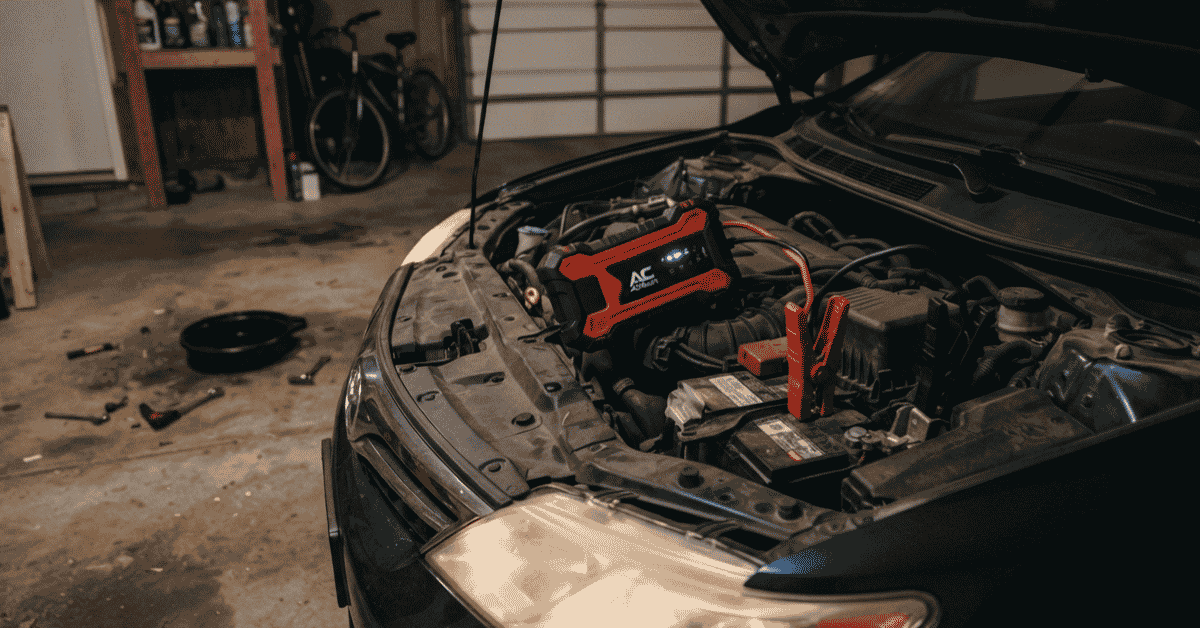
ACMount Car Jump Starter helps drivers handle dead batteries with less stress. Learn setup, safety tips, care habits, and smart roadside use.
ACMount Car Jump Starter became interesting after one rough morning. My engine clicked, lights dimmed, and my stomach sank. A small jump pack suddenly seemed far more useful. I started learning proper setup, charging, storage, and safe use. This guide shares the habits that helped me most. Keep reading before your next dead battery catches you.
Is ACMount Car Jump Starter Worth Keeping Nearby?
I first questioned whether I really needed another car tool. My trunk already held cables, gloves, and random old gear. Another small box seemed like more clutter at first.
Then my battery died before an early drive. The starter made that dull clicking sound again. Cold air smelled sharp around the open hood. My fingers felt stiff while checking the battery posts.
Traditional jumper cables needed another vehicle beside mine. A portable starter removed that part from the problem. That independence changed my view very fast.
ACMOUNT currently sells several jump starter models for 12V vehicles. Some models also add air pumps and power-bank functions.
I now see a jump starter as emergency gear. It stays useful even during months without trouble.
Life Before I Found This
Dead batteries used to create instant stress for me. I would hear one click, then complete silence. That sound always felt much louder than normal.
My jumper cables lived under dusty trunk mats. Their thick rubber smelled warm during summer afternoons. Finding another driver became the harder part.
Sometimes I waited beside the car feeling foolish. Traffic hissed past while my phone battery dropped. Each minute made the whole problem feel much worse.
I guess the loss of control bothered me most. A small portable starter changed that feeling completely.
Why This Matters Right Now
Modern drivers carry more electronic gear than years ago. Phones, cameras, chargers, and dash gear need power constantly. Cars also spend long periods parked in many homes.
A weak battery can appear during ordinary daily life. Cold mornings can also expose an aging battery quickly. Leaving lights on can drain one surprisingly fast.
Roadside help remains useful, but waiting still takes time. Remote roads can make that wait feel even longer.
Portable jump starters offer another backup option for drivers. They can help you attempt a restart yourself safely.
That does not replace proper battery repair or testing. It simply gives you another tool during bad timing.
The First Big Lesson
My first lesson was charging the jump pack itself. An empty emergency tool offers almost no real help. That sounds obvious, yet people can forget it easily.
I started checking mine every few months at home. The small screen gave me quick peace of mind. A low reading meant charging before another long drive.
Storage also matters more than I once thought. Extreme cabin heat can be rough on battery gear. I prefer a protected spot away from direct sunlight.
Before connecting clamps, I read the model instructions carefully. Positive and negative connections must go in proper places. Smart clamps can add protection against common connection mistakes.
Official ACMOUNT listings mention reverse-polarity and spark protection on several models.
Preparation makes roadside use much calmer and safer.
Small Tactics That Actually Work
I keep the starter inside its storage case. The clamps stay beside it instead of floating loose. That simple habit keeps everything easy to find.
I also save the manual inside the same case. Stress can make simple steps feel oddly confusing. A printed guide beats guessing beside a dark road.
Before longer trips, I check the battery level. I also inspect cables for cuts or loose parts. Ten seconds can prevent a useless tool later.
During use, I switch off extra car electronics. Lights, climate controls, and chargers can wait briefly. Then I connect everything based on the instructions.
After starting, I remove the clamps as directed. I never let exposed clamp ends touch each other.
One more habit helps me greatly. I recharge the jump pack after emergency use.
A Strange Detail I Noticed
The oddest part was the feeling after carrying one. My car did not become more reliable overnight. Still, I felt less tense during cold starts.
One winter morning, frost covered the windshield edges. My breath looked pale beside the open door. The starter sat quietly inside its small case.
That little box changed my mood more than expected. Maybe preparedness has its own strange kind of comfort.
I also stopped checking every engine sound with panic. A slow crank still deserves attention, of course. Yet I had one practical backup within reach.
That mental shift felt almost as useful.
Style Comparison & Data
I compare jump-start options by convenience, not hype. Each method has a proper place and use.
| Option | Main Strength | Main Drawback |
|---|---|---|
| Portable jump pack | Works without another car | Needs stored charge |
| Jumper cables | Simple and cheap | Needs another vehicle |
| Roadside service | Professional assistance | Waiting may take time |
| Battery charger | Good home maintenance | Not ideal roadside |
| New battery | Fixes worn battery issues | Costs much more |
A jump starter works best as emergency support. It does not cure a battery already failing.
Non-Obvious Gains
The biggest gains are not always about starting cars. A good emergency setup can improve daily habits too.
-
It reduces dependence on another nearby vehicle.
-
It keeps emergency gear packed in one place.
-
It encourages regular battery condition checks.
-
It can reduce stress during early morning failures.
-
Some models can charge small USB devices too.
-
Certain ACMOUNT models also include tire inflators.
-
Built-in lights can help during dark roadside work.
These extras should never replace safe roadside judgment. Still, they can make one tool more useful.
Myths vs. My Reality
I used to think jump starters repaired weak batteries. Then I learned they only provide starting assistance. A failing battery can still need replacement soon.
I used to think bigger amp claims solved everything. Then I started checking vehicle compatibility instead. Engine size and model guidance matter far more.
I used to think these packs stayed ready forever. Then months passed without me checking mine. Battery packs still need routine charging and care.
I used to think clamp order was common sense. Then I noticed how stress affected my focus. Reading instructions first became my new rule.
I also thought every ACMOUNT model worked identically. Current models vary by output and added functions.
Specific model details matter before every purchase.
Essential Principles for Mastery
I use five basic rules for any portable starter. First, match the unit with your vehicle. Check voltage, engine size, and official product guidance.
Second, keep enough charge inside the device. A forgotten pack can slowly lose stored power. Set a simple reminder for routine checks.
Third, inspect the battery area before connecting clamps. Leaking, swollen, cracked, or badly damaged batteries need caution. Professional help may be the safer choice.
Fourth, connect every clamp exactly as instructed. Keep hands, clothing, and loose objects away from moving parts.
Fifth, treat a successful jump as useful information. Repeated dead starts can signal a deeper problem. Battery age, charging faults, or electrical drains may exist.
I also keep the pack clean and dry. Dust around ports gets annoying surprisingly fast.
Good gear helps most when good habits support it.
FAQs About ACMount Car Jump Starter
What does an ACMount Car Jump Starter do?
An ACMount Car Jump Starter provides temporary power for starting supported vehicles with weak batteries. It offers a portable option without needing another car beside you.
Can ACMount jump starters charge phones?
Some current ACMOUNT jump starter models include USB charging outputs. That lets certain units work as portable power banks. Check your exact model because available ports and power differ.
Does ACMount make models with tire inflators?
Yes. ACMOUNT currently offers jump starters with built-in air compressors. Models such as W160 and W180 combine battery starting, tire inflation, lighting, and portable power functions.
Can I leave the jump starter inside my car?
Storage depends on your model and local temperatures. I avoid direct sun and extreme cabin heat when possible. The user manual should guide safe storage limits for your exact unit.
Does a jump starter fix a bad battery?
No. A jump starter may help start the engine temporarily. Repeated failures can mean the battery or charging system needs testing. I treat repeat problems as repair clues.
My Final Takeaway
ACMount Car Jump Starter gear makes sense as backup equipment. I like the freedom of not needing another vehicle. The small case also takes little trunk space.
Still, the device works best with basic preparation. Keep it charged, inspect it, and follow instructions closely. Never treat a successful jump as a battery repair.
Maybe the best feature is simple peace of mind. Prepared drivers have one less roadside problem to fear.