
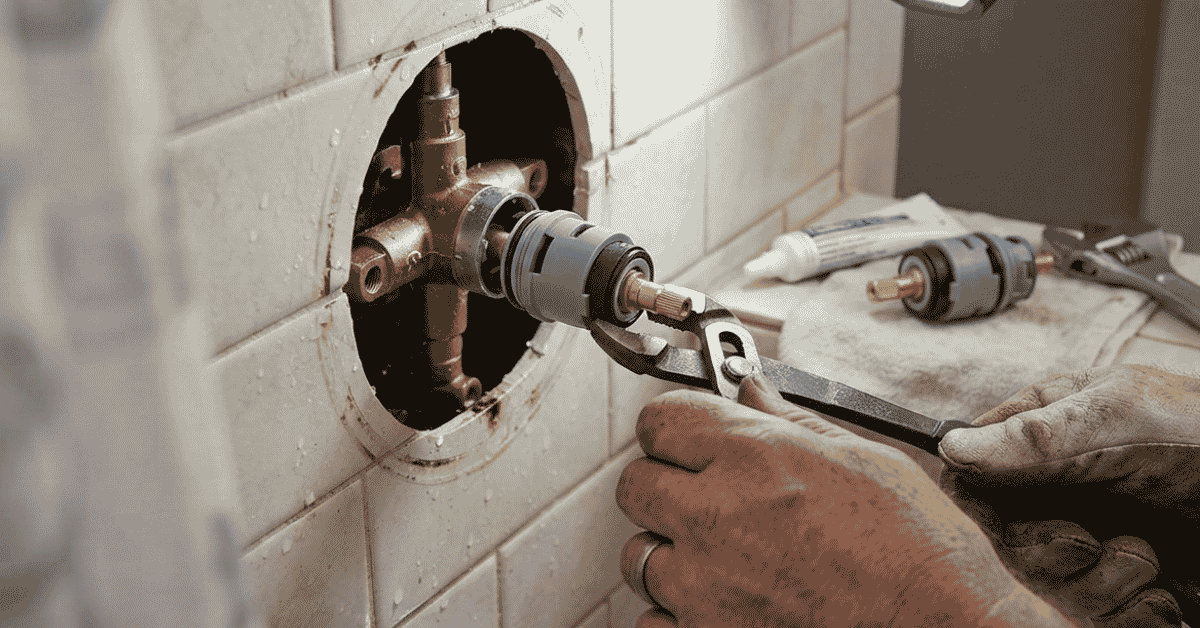
Mastering Peerless Shower Cartridge Replacement helps fix leaks, weak flow, and temperature issues with clear steps, tools, and practical tips.
Mastering Peerless Shower Cartridge Replacement once felt harder than expected. My faucet dripped all night with sharp little clicks. The sound made sleep feel oddly far away. I finally opened the valve and learned the process. This guide shares those steps, mistakes, and useful tricks. Read through everything before taking your shower apart.
Is Mastering Peerless Shower Cartridge Replacement Really Difficult?
My first attempt began with a slow shower leak. The handle also felt stiff during each small turn. I assumed the whole valve needed major repair work.
That thought made me put things off for weeks. The drip kept tapping against the tub each night. It sounded small, yet it became strangely hard ignoring.
Then I removed the handle and trim plate. The parts looked less scary than I had imagined. Most of the job involved careful removal and matching.
The cartridge itself controls water flow and temperature movement. Wear inside can cause leaks or poor handle action.
I learned that patience matters more than raw skill. Good prep makes this repair much less stressful.
Life Before I Found This
I used to treat plumbing repairs like hidden mysteries. Pipes behind walls made me nervous for good reason. One wrong move seemed able to flood everything.
My bathroom smelled faintly like soap and damp towels. A small drip echoed against the cold tub surface. The sound followed me while brushing my teeth.
I kept tightening the handle without real improvement. That only made the problem feel more strange.
Eventually, I realized guessing was wasting more time. Finding the worn part became the smarter first step.
Why This Matters Right Now
A leaking shower wastes water one drop at time. Small leaks can also become larger over months.
Replacement parts are often cheaper than full valve replacement. That makes cartridge service worth learning for many homes.
Older shower valves may also develop stiff controls. Temperature changes can feel less smooth than before. These signs may point toward cartridge wear.
DIY repair also gives homeowners more repair confidence. I like knowing which parts sit behind trim plates.
Still, water shutoff must always come before disassembly. A simple mistake there can create a huge mess.
Good preparation protects the bathroom and your patience.
The First Big Lesson
My first big lesson involved identifying the cartridge correctly. Similar looking cartridges can still have different dimensions.
I once assumed brand name alone was enough. That assumption nearly led me toward the wrong part.
Peerless products may use different cartridges across valve styles. Model age and handle design can also affect compatibility.
I now remove the old cartridge carefully first. Then I compare its body, stem, ports, and clips.
Photos also help before taking anything apart. I photograph handle position and trim orientation.
Those small reference shots save confusion during reassembly later. I also keep removed screws inside one cup.
The repair becomes easier once parts stay organized. Matching beats guessing every time with shower cartridges.
Small Tactics That Actually Work
I start by shutting off the home water supply. Then I open the shower valve briefly afterward.
That step helps release pressure inside the plumbing line. I place an old towel across the drain.
Small screws love disappearing into drains during repairs. The towel also protects the tub from dropped tools.
Next, I remove the handle and trim pieces. I keep each part in removal order nearby.
Mineral buildup can make the cartridge feel stuck. Gentle rocking often works better than hard twisting.
A cartridge puller may help with stubborn parts. I avoid forcing metal tools against finished surfaces.
Before installing the replacement, I clean the valve opening. Silicone plumber grease can help seals seat smoothly.
I only use lubricant approved for plumbing seals.
A Strange Detail I Noticed
Old cartridges sometimes tell their story through tiny marks. I noticed pale crust around one seal edge.
That chalky build-up felt rough beneath my fingertip. It smelled faintly metallic near the open valve body.
The cartridge also had one worn spot near movement points. That tiny area explained the stiff handle surprisingly well.
Small mineral marks can reveal years of water contact. They also explain stubborn removal during older repairs.
I started paying attention to those little clues. Maybe plumbing parts age more visibly than we notice.
Tiny details often explain the whole problem.
Style Comparison & Data
I compare repair choices before touching any plumbing parts. This quick table keeps my decision process simple.
| Repair Choice | Best Situation | Main Concern |
|---|---|---|
| Clean cartridge | Light mineral buildup | Wear may remain |
| Replace cartridge | Leaks or stiffness | Correct match needed |
| Replace seals | Minor seal damage | Limited repair scope |
| Call plumber | Valve damage found | Higher service cost |
| Replace valve | Major internal damage | More invasive work |
A cartridge swap solves many common shower control issues. Severe valve damage may need professional repair instead.
Non-Obvious Gains
Cartridge replacement can bring benefits beyond stopping leaks. I noticed several improvements after doing the job carefully.
-
Handle movement can feel much smoother afterward.
-
Temperature control may become easier to manage.
-
Dripping sounds can finally disappear at night.
-
Fresh seals can reduce waste from slow leaks.
-
The repair teaches useful valve identification skills.
-
Future maintenance feels less intimidating afterward.
-
Clean trim parts can improve the finished appearance.
The biggest gain for me was simple confidence. I understood the shower instead of fearing it.
Myths vs. My Reality
I used to think every leak meant valve replacement. Then I learned cartridges cause many common shower issues.
I used to think cartridges simply pulled straight out. Then mineral buildup taught me a slower lesson.
I used to think any matching brand part worked. Then I saw several cartridge designs side by side.
I used to think tightening screws fixed stiff handles. Then I realized internal wear caused the problem.
I also thought more force made removal faster. That idea nearly damaged one old valve assembly.
Gentle pressure worked much better with steady movement. Penetrating products are not always safe around plumbing seals.
I now choose patience before force during repairs. That rule has saved me several frustrating mistakes.
Essential Principles for Mastery
I follow five simple rules during cartridge replacement work. First, shut off water before touching valve parts.
Second, identify the exact cartridge before buying replacements. Bring the old part to stores when possible.
Third, protect finishes during every removal step. Chrome scratches easily under slipping metal tools.
Fourth, clean the valve body before new installation. Dirt can keep fresh seals from seating correctly.
Fifth, test slowly after restoring the water supply. I watch for leaks around the stem carefully.
I also move the handle through full operation. Hot and cold movement should feel smooth afterward.
Any strange resistance makes me stop and inspect again. Forcing the handle can damage new internal parts.
Major corrosion deserves professional attention instead of risky guessing. Hidden valve damage can turn small jobs expensive.
Good repair work comes from calm, steady checks.
FAQs About Mastering Peerless Shower Cartridge Replacement
Can I replace a Peerless shower cartridge myself?
Many homeowners can replace one with basic hand tools. I recommend shutting off water first and taking photos during removal. Stuck parts or damaged valves may require professional help.
Which tools do I need for cartridge replacement?
Common tools include screwdrivers, pliers, an Allen key, and towels. A cartridge puller may help with stubborn units. Exact tools depend on your handle and valve design.
Can a bad cartridge cause shower dripping?
Yes, worn seals inside a cartridge can cause dripping. Stiff movement, poor temperature control, and weak shutoff can also point toward cartridge wear or mineral buildup.
Should I use grease on the new cartridge?
A small amount of silicone plumber grease may help seals. I only use products marked safe for plumbing rubber. Petroleum grease can harm certain seals, so I avoid it.
What if the old cartridge will not move?
Mineral buildup can make old cartridges difficult to remove. I use gentle rocking and proper tools first. Heavy force can damage the valve body, so professional help may be safer.
My Final Takeaway
Mastering Peerless Shower Cartridge Replacement taught me one thing. Small plumbing jobs feel easier after proper preparation.
The ticking drip once drove me completely nuts. Now I hear silence after turning the handle off.
Take photos, protect the drain, and match parts carefully. Never rush cartridge removal just because it feels stuck.
Maybe the repair looks intimidating at first. Calm steps can make the whole job manageable.