
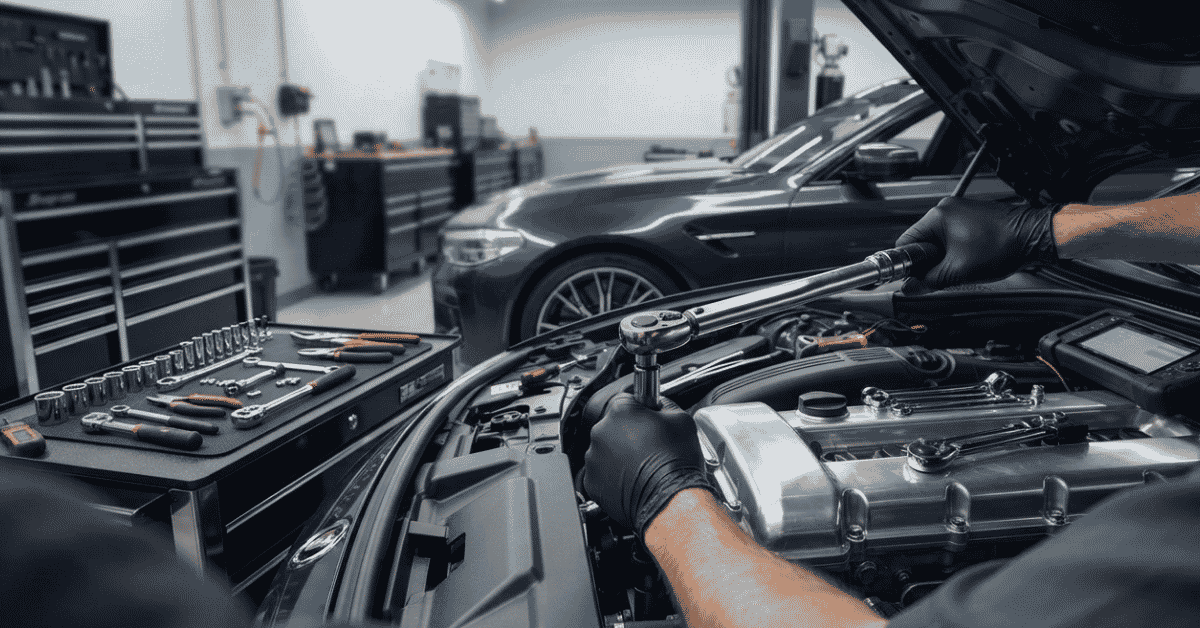
Car Tooling helps drivers handle basic repairs, checks, and garage jobs with less stress, better control, and the right gear close by.
Car Tooling used to feel far too broad for me. I saw drawers packed with shiny metal and guessed more was better. That was wrong. A small, smart set often does more than cluttered bins. I learned this through scraped knuckles and lost sockets. This guide covers useful tools, small habits, and garage lessons. Start simple, then build your kit with care.
Can Car Tooling Really Make Garage Work Easier?
Car Tooling first caught my eye after one bad repair. I had a loose battery clamp and poor light.
The garage smelled like rubber, dust, and old oil. A small fan clicked near the wall.
I grabbed the first wrench I could find. It slipped twice and hit my thumb.
That tiny job took far too long. I felt annoyed at myself.
A proper wrench set changed the same task later. The right size fit tight and felt safe.
That moment made something clear to me. Good tools do not make me a mechanic.
They make basic jobs less awkward and less risky. Maybe that sounds simple.
Still, simple gains matter in a cold garage.
Life Before I Found This
My old tool box was pure chaos. Sockets rolled under rags and loose screws.
A sharp metal smell filled the drawer. Grease made each handle feel slick.
I had three cheap pliers but no torque wrench. I owned odd bits I never used.
The worst part was wasted time. I spent ten minutes finding one socket.
Then I would drop it behind a tire. The floor felt cold through my knees.
That kind of mess made small jobs feel huge. I often quit before finishing simple checks.
Better Car Tooling fixed part of that stress. A better layout fixed even more.
Why This Matters Right Now
Cars now mix old hardware with more tech. Basic work still needs common hand tools.
Modern cars may also need scan tools. Some jobs need special sockets or trim tools.
That mix can confuse new owners fast. I think people often buy too much gear.
A better plan starts with normal tasks. Tire checks, battery work, filters, and small bolts come first.
Car Tooling should match the jobs you expect. It should not match a huge online wish list.
That saves cash and shelf space. It also keeps useful tools within reach.
A clean, safe set can build real confidence. That matters more than owning fifty rare tools.
The First Big Lesson
The first big lesson was all about fit. The right tool size can change everything.
I once used loose pliers on a small nut. The jaws slipped and chewed its edges.
That made the next step much harder. It also turned a cheap task into stress.
Now I match the tool before adding force. Metric bolts get metric sockets when needed.
Torx heads get the right Torx bit. Trim clips get plastic trim tools.
A near fit is often a bad fit. That rule sounds strict, but it saves parts.
I also learned to stop using worn tools. Rounded sockets can slip at the worst time.
Car Tooling works best when fit comes first. More force should never fix a poor match.
That one habit has saved many scraped knuckles.
Small Tactics That Actually Work
I keep a core kit near the front. That box handles most small jobs.
It holds sockets, ratchets, wrenches, pliers, screwdrivers, and hex keys. I also keep a tire gauge nearby.
A flashlight stays in the same drawer. Good light makes small parts much easier to see.
I return tools right after each job. That sounds dull, yet it works.
I also wipe grease from handles. Clean grips feel safer with wet hands.
For bolts, I start threads by hand. This helps avoid damaged threads.
I use a torque wrench only when needed. I never treat it like a normal ratchet.
Small magnetic trays help with nuts. Lost hardware can ruin an easy repair.
I label socket rows by size. That saves more time than expected.
A Strange Detail I Noticed
One strange thing keeps happening in my garage. Tool sound can tell me quite a lot.
A clean ratchet makes a neat, even click. A worn one may sound rough or skip.
Loose sockets can rattle in a different way. That sound makes me check the fit.
I also notice handle feel more now. Good tools feel calm in the hand.
Cheap grips may twist or flex under force. I guess my hands learned before my brain did.
Even a toolbox has its own sound. A tidy drawer closes with a soft metal tap.
A messy one sounds like loose coins. That tiny sound now bothers me.
Maybe order has a sound too.
Style Comparison & Data
Different Car Tooling types suit different garage jobs. I choose based on task, control, and use rate.
| Tool Type | Best Use | Main Benefit |
|---|---|---|
| Socket set | Nuts and bolts | Fast, firm fit |
| Torque wrench | Set bolt torque | Better control |
| Pliers | Grip and small parts | Strong hand hold |
| Scan tool | Read car faults | Fast code checks |
| Trim tools | Interior panels | Less trim damage |
A good starter kit needs broad use first. Rare tools can wait.
I prefer hand tools before niche gear. They solve more jobs for less cash.
Then I add special tools when a real task needs them.
Non-Obvious Gains
Good Car Tooling can offer more than repair help. Some gains show up only after months.
- Less panic: Small faults feel easier to face.
- Less waste: Proper tools reduce damaged nuts and clips.
- Better focus: Clean storage cuts search time.
- More care: Tool checks build good work habits.
- Better judgment: Experience shows which jobs need a pro.
That last gain matters most to me. Tools can build skill, but also restraint.
I know more now about jobs I should avoid. That may sound odd.
Still, knowing limits is part of safe car care.
Myths vs. My Reality
I used to think a huge tool chest meant skill. But then I met people with small, great kits.
I used to think cheap tools were always useless. But then some basic ones worked for years.
I used to think power tools saved time. But then one wrong setting damaged a small fastener.
I used to think every car job needed special gear. But then basic sockets solved most tasks.
I also thought tool brands mattered most. My view changed after more garage work.
Fit, strength, grip, and care matter more. Brand can help, but it is not the whole story.
Now I buy tools for real needs. I skip flashy sets filled with odd sizes.
That approach keeps my garage much calmer.
Essential Principles for Mastery
My Car Tooling system has four parts: match, inspect, use, and store.
Match means choosing the correct tool first. The head type and size should fit with little play.
Inspect means checking tools before force. I look for cracks, rust, wear, and bent parts.
Use means adding steady force with control. I keep my hands clear of sharp edges.
I also support the car correctly for raised work. A jack alone is not safe support.
Store means putting each tool back clean. Dry storage helps cut rust and grime.
I keep common tools near eye level. Rare tools stay farther back.
I also separate clean trim tools from greasy gear. That keeps oil away from seats.
Good Car Tooling is not just buying gear. It is a repeatable way of working.
That mindset makes each job feel more controlled.
FAQs About Car Tooling
What does Car Tooling mean?
Car Tooling means the tools used for vehicle checks, service, repair, and care. It can include hand tools, torque tools, scan tools, trim tools, tire gear, lights, and other shop items.
Which Car Tooling should a beginner buy first?
I would start with sockets, wrenches, pliers, screwdrivers, a tire gauge, and a good light. Add a torque wrench for key jobs. Special tools should come later, based on real repair needs.
Is expensive Car Tooling always better?
No, high price does not always mean better value. I look at fit, material, grip, warranty, and real use. A solid midrange tool can serve a home garage well for many years.
Do I need power tools for basic car work?
Not for most beginner tasks. Hand tools give good control and help you learn proper force. Power tools can save time later, but they can also damage small fasteners if used without care.
How should I store Car Tooling?
I keep tools dry, clean, and easy to scan. Socket rails, drawer trays, and labels help a lot. Greasy tools get wiped first. A tidy setup saves time and makes missing tools easy to spot.
My Final Takeaway
Car Tooling should make garage work feel more controlled. It does not need to fill a huge wall.
I would start with simple, well-fit hand tools. Add new gear only after real needs appear.
Keep tools clean and easy to find. Learn the feel of each one with care.
A smart kit grows with your skills. That kind of growth feels much better than random buying.