
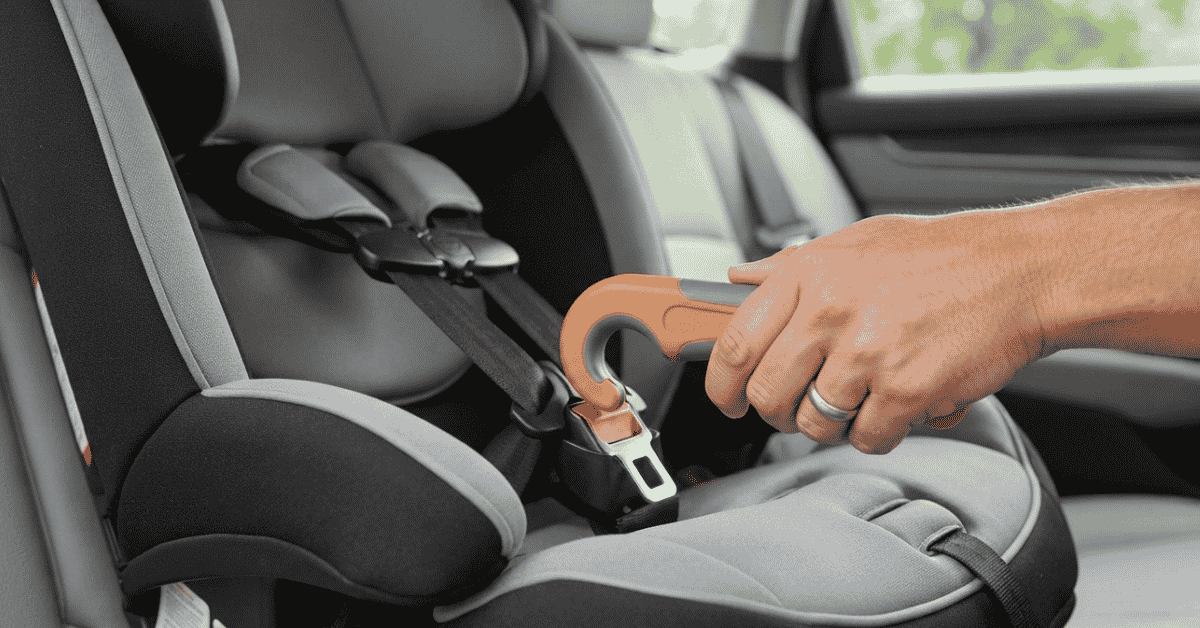
Car Seat Unbuckle Tool options can help with stiff buckles, weak grip, or sore hands while keeping safe restraint habits at the center.
Car Seat Unbuckle Tool gear looked odd to me. I first saw one beside a child seat buckle. The small shape seemed almost too simple to matter. Then I tried a stiff buckle with tired hands. My thumb hurt, and the latch barely moved. That small moment changed my view. Here, I share the safe uses, limits, and details worth knowing before buying one.
Can a Car Seat Unbuckle Tool Really Help?
A Car Seat Unbuckle Tool seemed unnecessary at first. Most buckles only need one firm push, right?
That idea changed during one cold morning drive. My fingers felt stiff from the air.
The buckle button felt hard beneath my thumb. I pressed once, then twice, with no luck.
A soft click came from the seat base. Still, the buckle stayed locked.
I remember feeling oddly annoyed by such a small task. Maybe that is why these tools exist.
They give some users more leverage on stiff buttons. That can help people with weak grip strength.
Still, I see them as release aids only. They should never make a restraint easy to open while driving.
Safe use matters far more than speed.
Life Before I Found This
Before seeing these tools, I used my thumb alone. That worked most days without much thought.
Some days were less kind to my hands. Cold weather made my joints feel stiff.
The car smelled like fabric, coffee, and cold air. A faint heater hum filled the cabin.
I would press the buckle with my nail. That hurt more than I expected.
Sometimes I used both thumbs for extra force. The angle felt awkward and cramped.
That was worse near tight seat edges. My wrist would bend in a strange way.
A proper release aid made more sense. It gave me leverage without random tricks.
I still needed to use it with care.
Why This Matters Right Now
Car seats and safety restraints need secure buckles. That secure feel is part of their job.
Yet some users struggle with strong release buttons. Hand pain, weak grip, or limited motion can make buckles hard.
That does not mean the buckle is faulty. Many restraints need firm pressure by design.
A Car Seat Unbuckle Tool may help during normal removal. The key word for me is removal.
It should be used once the car is parked. The child or rider should stay secure during travel.
A tool should not stay where a child can reach it. That could create a new safety risk.
Convenience is useful only when restraint safety stays first.
That rule keeps the whole idea in perspective.
The First Big Lesson
The biggest lesson is about access, not force. A good tool helps direct pressure onto the release button.
It should not pry the buckle apart. It should not bend or damage the latch.
I learned this after trying a poor angle once. The tool slipped and pressed beside the button.
That felt wrong right away. The buckle should release through its normal control.
A useful design gives more surface area. It may help users press with the palm.
That can reduce strain on one thumb. It can also make the motion feel more stable.
Still, every buckle and seat can differ. Fit matters before regular use.
I would never force a tool that feels wrong. If the buckle sticks often, inspection makes more sense.
Damage is not worth saving a few seconds.
Small Tactics That Actually Work
I test the tool while the car stays parked. That gives me time without any rush.
First, I check the buckle itself. Food crumbs or dirt can make release feel rough.
I then place the tool as intended. I keep fingers clear of moving latch parts.
I use slow, steady pressure first. Hard jabs rarely feel better or safer.
I also watch the tool position. It should stay centered on the release button.
After use, I store it away. A glove box or adult-only pocket works better.
I never leave it beside the child seat. Curious hands can turn small tools into problems.
I also check the buckle after each use. It should click and lock as normal.
Any odd sound deserves attention. A safe buckle should feel firm and consistent.
A Strange Detail I Noticed
One odd detail surprised me most. The shape matters more than the size.
Some tools look large and strong. Yet they can feel awkward in a tight seat gap.
A smaller tool may fit the button better. It can also give cleaner pressure.
The sound matters too, at least to me. A normal release gives a clear, neat click.
A scrape or crunch makes me stop. That sound may mean poor tool placement.
I guess good use feels almost boring. Press, click, release, and store it away.
No drama should be part of the process. That simple rhythm is actually reassuring.
It tells me the buckle still works normally.
Style Comparison & Data
Car Seat Unbuckle Tool designs can differ quite a bit. I compare them by grip, size, and control.
| Tool Style | Best Use | Main Benefit |
|---|---|---|
| Palm press aid | Weak thumb grip | Wider pressure area |
| Lever-style aid | Stiff release buttons | Less finger strain |
| Compact press tool | Tight seat gaps | Easier placement |
| Soft-grip model | Sore hands | Better hand comfort |
| Keychain-size aid | Adult backup use | Easy storage |
I prefer simple designs with clear placement. Extra parts can make use harder.
The best option should fit the buckle well. It should also stay easy for an adult to control.
Comfort matters, but safe storage matters just as much.
Non-Obvious Gains
A Car Seat Unbuckle Tool can offer benefits beyond speed. Some gains are easy to miss at first.
-
Less thumb strain: Wider pressure spreads force more evenly.
-
Better control: A steady grip can reduce slips.
-
Less frustration: Hard buckles feel easier during daily routines.
-
More independence: Some adults need less help releasing seats.
-
Cleaner habits: Proper tools may replace unsafe home tricks.
The last point matters to me. I would rather use one purpose-made aid.
Coins, keys, and screwdrivers can slip. They can also scratch or damage nearby parts.
A simple tool feels much more controlled.
Myths vs. My Reality
I used to think these tools were only gadgets. But then I felt how much thumb force some buckles need.
I used to think any small object could help. But then I saw how easily hard objects can slip.
I used to think more leverage was always better. But then I learned control matters far more.
I used to think the tool could stay nearby. But then the child-access risk became obvious.
I also thought every buckle would work the same. That was not true at all.
Some designs have less space around the button. Some need a different press angle.
Now I treat the tool as an adult aid. It helps release a restraint after the trip ends.
That simple rule keeps its purpose clear.
Essential Principles for Mastery
I use four rules: fit, press, check, and store.
Fit means confirming the tool suits the buckle. Poor fit can cause slips or bad pressure.
Press means using the normal release button. The tool should assist that action, not bypass it.
Check means testing the buckle afterward. I want a firm click each time it locks again.
I also inspect for cracks or wear. Any damaged buckle should get proper attention.
Store means keeping the tool away from children. Adult access should be easy but controlled.
I never use it to weaken restraint use. The buckle must stay secure during every trip.
I also avoid forcing a jammed latch. Repeated sticking may point to dirt or damage.
At that point, the seat maker’s guidance matters more. A release aid is not a repair tool.
That line is worth keeping clear.
FAQs About Car Seat Unbuckle Tool
What is a Car Seat Unbuckle Tool?
A Car Seat Unbuckle Tool is a small release aid for stiff buckle buttons. It can give adults more surface area or leverage. It should only assist the normal release action after the vehicle is safely parked.
Is a Car Seat Unbuckle Tool safe?
It can be used safely when it fits properly. I keep it away from children and use it only after travel ends. It should never weaken, block, alter, or defeat the normal restraint system.
Can it help someone with weak hands?
Yes, some designs can reduce strain on a thumb. A wider press area may let an adult use the palm or more fingers. That can help users with weak grip or sore hands during buckle release.
Should I leave the tool attached to the seat?
I would not leave it within a child’s reach. Easy access could let a child release the restraint. I prefer storing it in an adult-only spot and bringing it out only after parking.
What if the buckle keeps getting stuck?
I would stop forcing it. Dirt, damage, or wear may be involved. Check the seat maker’s cleaning and service guidance. A release tool can help with pressure, but it cannot fix a damaged buckle.
My Final Takeaway
A Car Seat Unbuckle Tool can solve one small problem. For some adults, that small problem is quite real.
I value designs that reduce hand strain safely. I also keep restraint security above convenience.
Use the tool after parking, then store it away. Check the buckle each time it locks again.
Simple use is the best use here. A good aid should make release easier without changing safe restraint habits.