
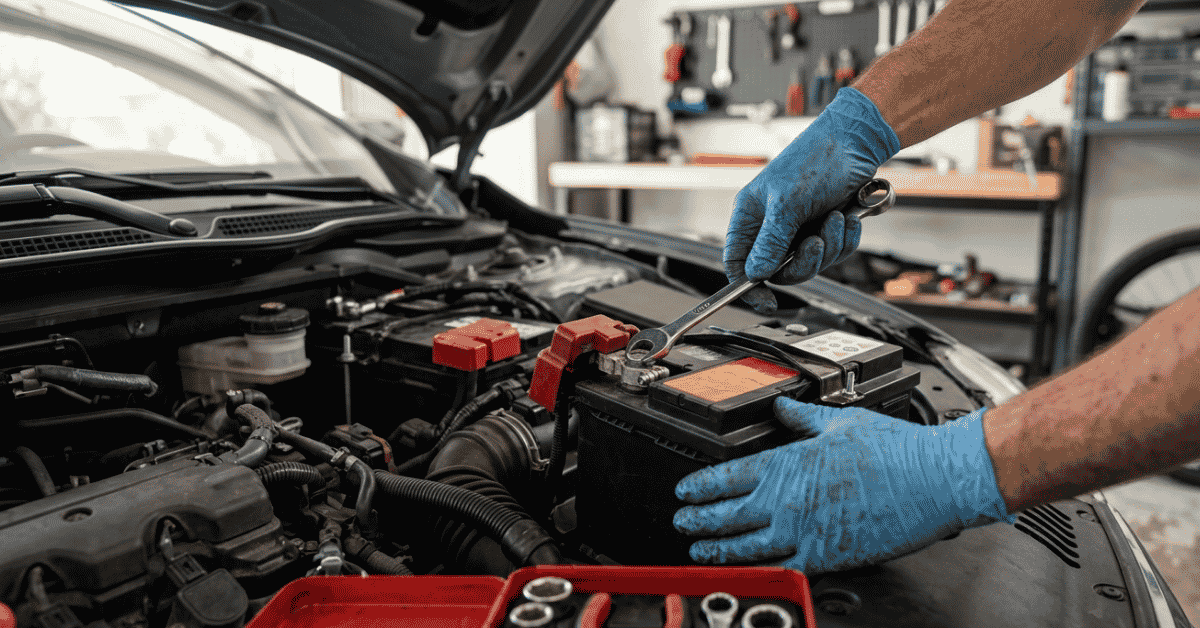
Dealing with a dead car battery often means you’ll need to replace it yourself. Getting that old battery out can sometimes be a straightforward task, but other times, particularly with corroded terminals or limited space, it requires the right tool to remove battery from car. Using the incorrect tool can lead to stripped nuts, damaged cables, or even personal injury.
Fortunately, there are specific tools designed to make this job easier and safer. Our research shows that having the proper equipment can cut down removal time significantly, turning a potentially frustrating hour into a quick 15-minute task. Battery manufacturer specifications often recommend specific terminal types to ensure a secure fit, but the removal tools are universal for most passenger vehicles.
Quick Answer
The most common and effective tool to remove a car battery is a battery terminal wrench, often in a 10mm or 13mm size. Alternatively, a socket wrench with the correct sized socket or specialized battery terminal pliers can also be used. Always have a wire brush handy for cleaning terminals after removal.
Why the Right Tool Matters for Battery Removal
When it comes to swapping out your car’s battery, sheer brute force or a random wrench from your toolbox isn’t the best approach. The nuts holding the battery terminals can be made of softer metal, making them prone to stripping if you use a tool that doesn’t grip them properly. Manufacturer specifications for battery terminals emphasize secure connections for optimal power transfer; a stripped terminal nut compromises this.
Think about it: if a tool slips, you could end up with damaged posts or cables, which are far more expensive to replace than a simple battery removal tool. We’ve seen aggregate reviews report that using the wrong tool prolongs the job and increases the risk of sparks near the battery, a serious safety concern.
Battery Removal Tools: What Are Your Options?
You’ve got a few reliable choices when it comes to getting those terminals disconnected safely and efficiently. Each has its own strengths, making one better suited for certain situations or user preferences. Familiarizing yourself with these options helps you pick the right one for your toolbox.
Battery Terminal Wrenches
These are perhaps the most common and straightforward tools for the job. A battery terminal wrench is designed specifically to fit the hexagonal nuts found on most car battery terminals. They typically come in common metric sizes, like 10mm or 13mm, which cover the vast majority of vehicles.
Some are fixed-size, while others are adjustable.
Socket Wrenches for Battery Terminals
If you have a good socket wrench set, you likely already have the right tool. A standard socket that matches the terminal nut size (often 10mm or 13mm, as per common automotive standards) paired with a socket wrench handle provides excellent leverage. This is particularly useful if the nuts are a bit tight or in an awkward spot.
You can find great information on essential automotive tools in our article on 9 car engine oil change tools worth having.
Battery Terminal Pliers
These specialized pliers offer a different approach, often featuring curved jaws that grip the terminal post and nut from the sides. They can be a lifesaver when access is extremely limited or if the terminal nuts are slightly deformed or heavily corroded. Their lever action can provide significant force, making them effective for loosening stubborn connections.
Terminal Cleaning Brushes (Essential Partners)
While not directly a removal tool, a terminal cleaning brush is absolutely crucial for battery maintenance. These handy wire brushes are designed to clean corrosion from both the battery posts and the inside of the terminal clamps. Per automotive industry best practices, clean terminals ensure a solid electrical connection, which is vital for the new battery’s performance.
Ignoring this step can lead to a new battery dying prematurely.
Key Features to Look For in Battery Removal Tools
When you’re choosing a tool, think about what makes it effective and user-friendly for this specific task. It’s not just about size; material and design play a big role.
- Correct Size: This is paramount. For most cars, expect common metric sizes like 10mm or 13mm. Having the exact fit prevents stripping.
- Sturdy Construction: Look for tools made from hardened steel or other durable alloys. You need something that won’t bend or break under pressure.
- Corrosion Resistance: Especially if you live in a humid climate, tools with a protective coating can last longer and prevent rust.
- Ergonomic Grip: For comfort and better control, especially in tight engine bays, a rubberized or textured grip can make a difference.
- Reach: Some tools, particularly certain pliers or wrenches with longer handles, offer better reach into confined spaces.
When to Use Which Battery Removal Tool
Understanding which tool is best suited for your specific situation can save you time and prevent headaches. It’s not a one-tool-fits-all scenario, and knowing the nuances helps.
Best Tool for Corroded Terminals
If your battery terminals look fuzzy with white or bluish-green gunk (corrosion), you’ll likely need tools that can get a solid, unwavering grip. Battery terminal pliers are often excellent here because their design can sometimes bite into slightly deformed or gummed-up nuts more effectively than standard wrenches. However, a socket wrench with the correct size applied firmly can also work if you can get a clean bite. You will certainly need a dedicated terminal cleaning brush to clear away the corrosion after you get the terminals loosened.
Best Tool for Tight Spaces
Vehicle engine bays are notorious for cramped quarters. When access is severely limited, battery terminal pliers can be your best friend. Their often more compact head and unique gripping action allow them to maneuver where a standard wrench or socket might not fit.
Some specialized battery terminal wrenches also feature a more slender profile to help get into these tight spots. For a broader look at tools that help with car maintenance, our article on 7 car window washing tools that shine might offer some unexpected insights into tool design for awkward jobs.
Common Mistakes When Removing a Car Battery (And How to Avoid Them)
Even with the right tools, a few slip-ups can turn a simple battery swap into a problem. One of the most frequent errors is forgetting to disconnect the negative terminal first. This can cause a short circuit if your wrench touches the car’s metal frame while on the positive terminal.
Always double-check which terminal is which before you start.
Another common mistake is not cleaning your tools or the battery terminals themselves, especially if they’re corroded. This can make it harder to get a good grip and might even transfer corrosion to the new battery’s posts. Forgetting to secure the new battery properly can also cause issues down the line, so make sure everything is re-tightened correctly.
Safety First: Essential Precautions for Battery Removal
Working with a car battery carries inherent risks that you must respect. Batteries contain sulfuric acid and can produce explosive hydrogen gas, so sparks are a major concern. Always wear safety glasses to protect your eyes from potential splashes or acid.
Wearing gloves is also a good idea to protect your skin from corrosion and acid.
Before you even touch a tool to the terminals, ensure your car is turned off and the parking brake is engaged. If you’re working in an enclosed space like a garage, make sure there’s good ventilation. Disconnecting the negative terminal first, the one usually marked with a minus sign (-) and a black cable, is a critical safety step.
This prevents accidental sparks when you might touch the positive terminal. For more on automotive maintenance safety, explore our advice on a car maintenance schedule to keep your car running smoothly.
Getting the Job Done: A Quick Process Guide
Here’s a streamlined process to get that battery out safely, assuming you have the necessary tools:
- Locate the Battery: It’s usually under the hood, but sometimes it’s in the trunk or under a seat.
- Disconnect Negative Terminal: Using your chosen wrench or pliers (most likely a 10mm or 13mm socket), loosen and remove the nut from the negative (-) terminal post first. Gently twist and pull the cable off the post.
- Disconnect Positive Terminal: Now, do the same for the positive (+) terminal post (marked with a plus sign (+) and usually a red cable).
- Remove Hold-Down Clamp: Batteries are secured by a clamp or bracket at the base. Unscrew and remove this.
- Lift Out Battery: Batteries are heavy! Lift with your legs, not your back, and carefully remove it from the vehicle.
- Clean Terminals: Use a terminal brush to clean any corrosion from the cable clamps and the new battery posts.
As of 2026, these steps remain the automotive industry standard for safe battery removal.
Expert Tips for a Smoother Battery Swap
To make the entire battery replacement process as smooth as possible, a few extra tips can go a long way. After disconnecting the terminals, sometimes you’ll find the cable clamps are stuck to the posts due to corrosion. A gentle twist with your battery terminal pliers or a few taps with a rubber mallet (carefully!) can help break them free without damage.
Also, when putting in the new battery, make sure to reverse the process and attach the positive terminal first, followed by the negative. This orientation minimizes the risk of sparks during installation. Don’t overtighten the terminal nuts; snug them up firmly so they won’t come loose, but avoid excessive force that could strip the threads.
Finding the right size spanner for your car battery can genuinely save your day, as we’ve discussed elsewhere.
Frequently Asked Questions
What size wrench do I need for a car battery terminal?
The most common sizes needed are 10mm and 13mm. These metric sizes fit the nuts on the majority of automotive battery terminals. Always check your specific vehicle’s battery terminals to confirm the exact size required, as variations can occur.
Can I use a regular adjustable wrench to remove battery terminals?
While an adjustable wrench might work in a pinch, it’s not ideal. Regular wrenches can easily slip, strip the battery terminal nuts, or not provide enough grip. Specialized battery terminal wrenches or socket sets are designed for a secure fit, preventing damage and making the job easier.
How do I deal with heavily corroded battery terminals?
Heavily corroded terminals can be tough. Start by using a dedicated battery terminal brush to remove as much of the buildup as possible. If the nuts are still stuck, battery terminal pliers might offer a better grip than a wrench.
In severe cases, a penetrating oil designed for automotive use might help loosen stubborn nuts, but use it sparingly.
Is it safe to remove a car battery myself?
Yes, it is safe to remove a car battery yourself if you follow proper safety precautions. Always wear eye protection and gloves, ensure good ventilation, and disconnect the negative terminal first before the positive. These steps minimize the risk of electrical shorts, sparks, or acid exposure.