
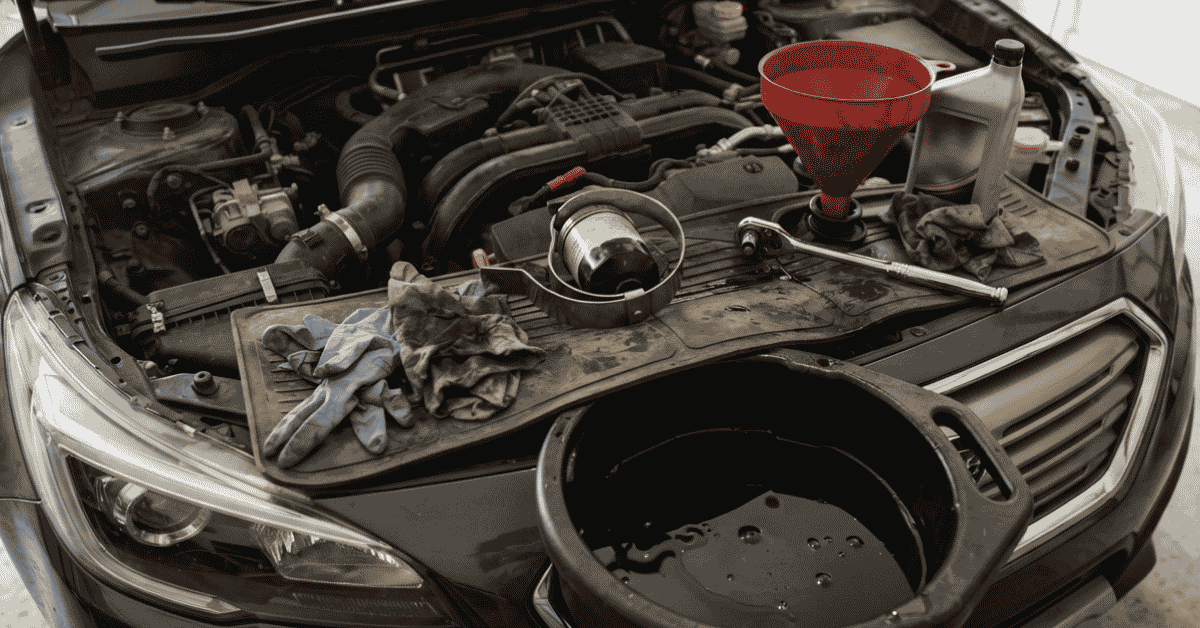
Car Engine Oil Change Tools make home oil service safer, cleaner, and easier. Learn the key tools, smart tips, costs, and common mistakes.
Car Engine Oil Change Tools can save real frustration. A simple oil job gets messy without proper gear. Warm oil drips fast and finds every small gap. I learned that good prep matters more than speed. The right tools keep hands, floors, and parts safer. This guide covers my favorite basics and useful tricks.
Which Car Engine Oil Change Tools Do You Need?
My first tool list was much longer than needed. I thought every shiny garage tool had some purpose. That idea faded once I saw the core job.
An oil change needs safe access underneath first. Then you need tools for draining old oil. A filter tool may help remove stubborn filters.
You also need a pan for dirty oil. Gloves and shop towels save plenty of cleanup. A funnel keeps fresh oil away from hot parts.
I like keeping everything within arm’s reach beforehand. That small habit prevents oily walks across the garage.
The core kit stays simple for most cars. Correct sizes matter far more than owning many tools.
Life Before I Found This
I once treated oil changes like rushed weekend chores. Tools sat mixed inside one noisy metal box. Old sockets rolled around each time I moved it.
The garage smelled like rubber and dry dust. Cardboard sheets covered dark marks on the floor. My hands always seemed greasy within five minutes.
One missing socket could stop the whole job. Then I would search while warm oil waited.
That mess taught me to build one small kit. Each tool now has a clear job and place.
The job feels calmer with less clutter nearby.
Why This Matters Right Now
Car care costs can add up quite fast. Simple home service can reduce some routine labor costs.
Oil changes also teach useful basic car skills. You learn drain locations, filter placement, and fluid checks. That knowledge can help spot small leaks early.
Modern cars can make access less simple, though. Plastic shields may cover the drain plug area. Some engines use cartridge filters instead of spin-on filters.
Correct tools protect these parts from needless damage. Rounded bolts can turn easy work into expensive work.
Safe lifting matters just as much as wrench choice. I never trust a jack alone under any car.
Good tools make simple work safer and more controlled.
The First Big Lesson
The biggest lesson is matching tools to your car. One socket size will not fit every drain plug. Filter designs also vary across brands and engines.
I check the owner’s guide before buying supplies. I also confirm oil grade and filter type. Then I find the proper drain plug tool.
A six-point socket often grips bolts better. It can reduce slipping on tight drain plugs. A torque wrench also helps during final installation.
Too much force can damage threads or oil pans. Too little force can allow leaks later.
Filter tools need the same kind of care. Some filters need cap-style sockets for proper removal.
The best tool is usually the correct fitting one. Force should never replace a proper fit.
Small Tactics That Actually Work
I lay each tool beside the car first. The drain pan goes under the planned drain point. Towels and gloves stay close beside it.
A large piece of cardboard helps catch stray drops. It also makes small leaks easier to notice. I keep a sealable container ready for old oil.
The engine can be slightly warm before draining. Warm oil tends to flow more freely. I avoid working near very hot engine parts.
I loosen the oil fill cap before draining. That can help oil flow from below smoothly.
I inspect the old drain plug washer too. Some cars need a fresh washer each service.
After filling, I check the dipstick carefully. Then I inspect underneath for fresh drips.
A Strange Detail I Noticed
Oil has a strange way of missing drain pans. The stream shifts as the oil level falls. That tiny change can create a wide black mess.
I noticed this while watching one slow drain. The first stream reached farther than expected. Then it moved closer as pressure fell.
The sound also changes during the drain. Fast flow makes a smooth, hollow splash. Final drops make sharp ticks against the pan.
That small detail changed my pan placement habit. I now leave extra room around the stream path.
Maybe oil changes teach patience through little annoying surprises. A wider pan often saves more cleanup later.
Style Comparison & Data
Different tools solve very different parts of service. This table shows the basic jobs I consider first.
| Tool | Main Job | My Priority |
|---|---|---|
| Socket wrench | Remove drain plug | Very high |
| Drain pan | Catch used oil | Very high |
| Filter wrench | Remove tight filter | High |
| Torque wrench | Set proper tightness | High |
| Funnel | Add fresh oil | High |
A full kit can include more than these. These five cover the main work on many cars.
Non-Obvious Gains
Good oil change tools bring benefits beyond saving money. I noticed several small gains after building one kit.
-
Correct sockets reduce damage to drain plug heads.
-
A wide pan cuts cleanup time after draining.
-
A funnel helps keep engine bays much cleaner.
-
Gloves keep hot oil away from bare skin.
-
Torque tools reduce guesswork during final assembly.
-
Good ramps can make access feel much easier.
-
A dedicated kit prevents missing tools mid-job.
-
Proper containers make used oil transport cleaner.
Those gains make each later service feel more routine.
Myths vs. My Reality
I used to think any wrench could work fine. Then a slipping tool changed my mind quickly.
I used to think tighter drain plugs were safer. Then I learned excess force can damage threads.
I used to think filter wrenches were always required. Then many filters came loose by hand easily.
I used to think one drain pan size worked everywhere. Then low cars showed me clearance really matters.
I also thought ramps were safer in every case. Some cars have low bumpers that dislike steep ramps.
The best setup depends on each car’s design. Ground height, filter access, and plug location all matter.
I now choose tools around the car first. That simple change prevents many avoidable problems.
Essential Principles for Mastery
I follow five rules for oil change tool use. First, confirm every tool size before starting work.
Second, support the car with proper safety gear. Wheel chocks can help keep the car still. Jack stands must sit on safe lift points.
Third, protect the drain plug and filter housing. Good tool fit reduces slips and damaged edges.
Fourth, keep used oil under full control. A sealed pan makes transport far less messy. Used motor oil needs proper local recycling or disposal.
Fifth, verify the final oil level carefully. Too much oil can cause its own problems. Too little oil can harm an engine badly.
I also keep notes from each oil change. I record mileage, oil type, and filter model.
That tiny log helps with the next service. Good tools work best with good habits.
FAQs About Car Engine Oil Change Tools
Do I need a torque wrench for oil changes?
A torque wrench is very useful for drain plugs. It helps you follow the maker’s torque spec without guessing. I especially like one on aluminum oil pans, since damaged threads can cost plenty.
Which oil filter wrench should I buy?
The filter design should guide your wrench choice. Strap tools fit many spin-on filters, while cap tools suit certain filter sizes. Cartridge housings may need a specific socket or cap.
Can I change oil without lifting my car?
Some vehicles provide enough ground clearance for access. Many others need ramps or proper lifting gear. Never crawl under a vehicle supported only by a jack, even for a quick job.
Which size drain pan works best?
A pan should hold more than the engine’s full oil capacity. Extra space helps prevent spills during fast drainage. I also prefer wide pans because the oil stream can move while draining.
Can regular gloves handle engine oil?
Disposable nitrile gloves work well for many oil changes. They help keep used oil away from skin and improve cleanup. Heat still matters, so I avoid touching hot engine parts through thin gloves.
My Final Takeaway
Car Engine Oil Change Tools do not need complexity. A few correct tools can handle most basic service. Safe access, clean draining, and proper tightening matter most.
I like building one kit just for oil work. It makes each service quicker and far less messy.
Start with quality basics instead of buying everything. Add new tools only when your car needs them.