
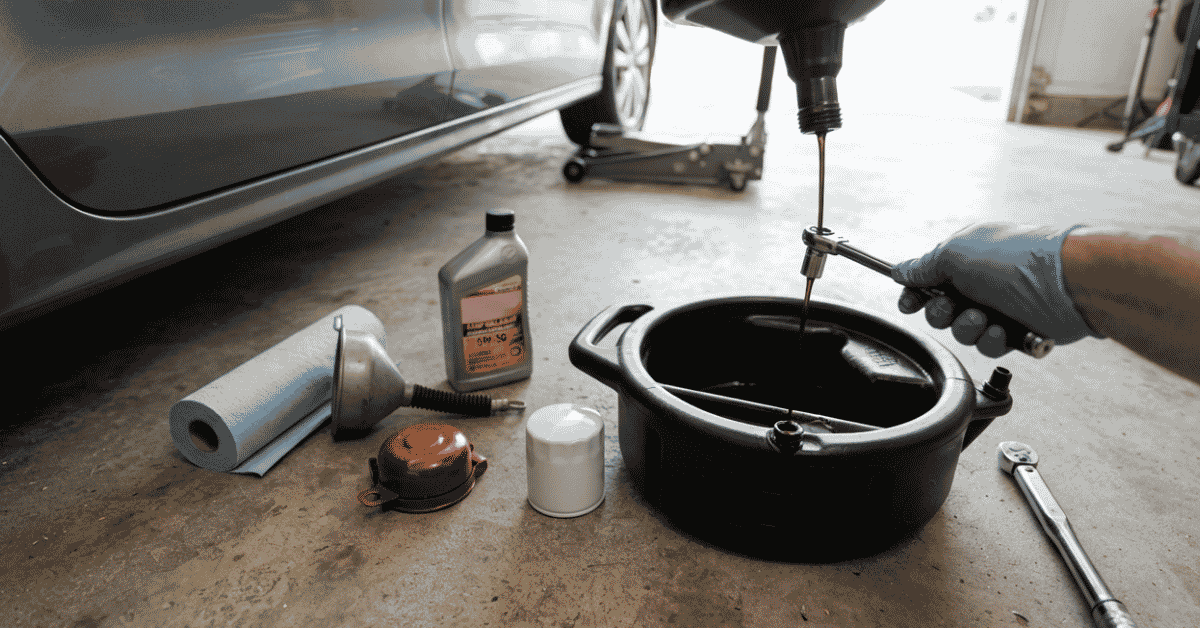
Car Oil Change Tools help drivers save money with easy oil care steps at home and build calm car habits.
I still remember my first oil change attempt. The garage felt quiet, and my hands felt unsure. I wanted a simple fix, not a costly shop visit. This guide shares my lessons, tips, and small tricks for better oil care.
Car Oil Change Tools: Are They Worth Buying?
I asked myself this before my first home oil change. My old car sat near the garage wall, covered in dust. The air smelled like rubber and old oil.
I looked at the engine and felt a small doubt. Could I really handle this task alone?
The oil pan, filter, and tiny parts felt confusing. I guess many new drivers feel the same way.
After using the right Car Oil Change Tools, things felt easier. The job became less scary and more controlled.
These tools did not make me a mechanic. They simply helped me work with more care and less stress.
Life Before I Found This
Before I had proper tools, oil changes felt messy. I used random items around my garage.
Old towels covered the floor. Oil drops made dark marks. The strong smell stayed on my hands.
I remember the sound of metal parts hitting the tray. My small wrench slipped more than once.
The task took too long because I lacked basic gear. My mind felt busy with each small step.
The whole process felt like a chore. I wanted a clean, calm way to care for my car.
That search led me toward better tools.
Why This Matters Right Now
Many drivers now want to save cash. Car costs keep rising year after year.
Oil changes are common tasks that add up. A home setup can help cut some costs.
Modern cars still need regular oil care. Good habits can help engines run well.
I see more people learn basic car skills today. They want more control over simple repairs.
A small garage kit can bring peace. It helps drivers feel ready instead of worried.
Maybe that is why more people look for Car Oil Change Tools now.
The First Big Lesson
My first big lesson was about using tools made for the job.
Oil changes seem simple, but small mistakes can happen. A weak tool can create leaks or damage parts.
A good oil filter wrench gives better grip. A drain pan catches oil without making a mess.
I learned that comfort matters during car work. A smooth tool feels safer in your hand.
The right tools also save time. You spend less effort fighting stuck parts.
I used to focus only on the oil. Then I learned the tools matter too.
Good gear supports good habits. It turns a messy task into a clear routine.
Small Tactics That Actually Work
I picked up a few habits after many oil changes. These small tips made my work much better.
- Warm the engine before draining oil.
- Place the drain pan with extra space.
- Keep gloves and cloths close by.
- Check the oil level twice after filling.
- Store tools in one clean box.
I also write the oil date on paper. This simple step helps track future changes.
I keep old cardboard under the car too. It catches drops and protects my garage floor.
A small flashlight helps me see dark areas. Good light removes many small errors.
These habits feel basic, but they make the job smoother.
A Strange Detail I Noticed
I noticed something funny about oil changes. The oil itself gets all the attention.
People talk about brands, types, and prices. Few people talk about the tools.
Yet the tools touch every part of the task.
The soft handle of a wrench, the sound of oil flowing, and the smell of fresh supplies create the whole experience.
Maybe the hidden part of car care is the tool kit.
A simple box of tools can change your full mindset.
Style Comparison & Data
Different Car Oil Change Tools offer different levels of comfort.
| Tool Type | Main Use | User Experience |
|---|---|---|
| Basic Wrench | Remove drain plug | Simple but limited |
| Oil Filter Wrench | Remove filters | Better grip |
| Drain Pan | Catch old oil | Cleaner work |
| Full Oil Kit | Complete setup | Best home use |
A good setup does not need many items. It needs useful tools that fit your needs.
Non-Obvious Gains
Many drivers miss the deeper value of home oil work.
- Builds trust with your own skills.
- Helps spot small car issues.
- Creates better care habits.
- Reduces stress during repairs.
- Makes garage time more enjoyable.
I found that learning one task opened new doors. Small wins made me more confident.
Myths vs. My Reality
I used to think oil changes were only for experts. I saw garages as places for trained people.
But then I tried it with proper tools. My fear slowly faded.
I used to think buying tools was a waste. But then I saw how often they helped.
I used to think the process was too dirty. But then I learned good setup keeps things clean.
The reality feels simple now. Anyone can learn basic oil care with patience.
Good tools do not replace skill. They help build it.
Essential Principles for Mastery
Good oil care starts with a calm plan. Rushing creates avoidable problems.
My first rule is safety. Let the engine cool before touching parts.
My second rule is preparation. Gather every tool before starting work.
My third rule is clean work. Keep oil drops away from your floor.
My fourth rule is proper checking. Always confirm oil levels after filling.
My fifth rule is routine. Regular care keeps surprises away.
Car Oil Change Tools support each step. They create a better flow from start to finish.
I believe every car owner should know basic oil care. It saves money and builds confidence.
You do not need a huge garage. You need patience, care, and useful tools.
FAQs about Car Oil Change Tools
What Car Oil Change Tools do beginners need?
Beginners need basic tools like a wrench, oil filter tool, drain pan, gloves, and a funnel. These items help make oil changes cleaner and easier.
Are Car Oil Change Tools expensive?
Many tools are affordable for home use. A simple kit can cost less than repeated service fees over time.
Can I change oil without special tools?
Some people try using basic items, but proper tools make the task safer. They reduce mess and help avoid damage.
How often should I use Car Oil Change Tools?
You can use these tools during each oil change. The timing depends on your car type and oil needs.
Do Car Oil Change Tools fit every vehicle?
Many tools work with common cars, but some vehicles need special sizes. Check your car guide before buying tools.
My Final Takeaway
I now see Car Oil Change Tools as smart helpers. They make a once stressful task feel normal.
Small steps create strong habits. Maybe the best car skill is learning to care with patience.
Start simple, stay safe, and enjoy the process.