
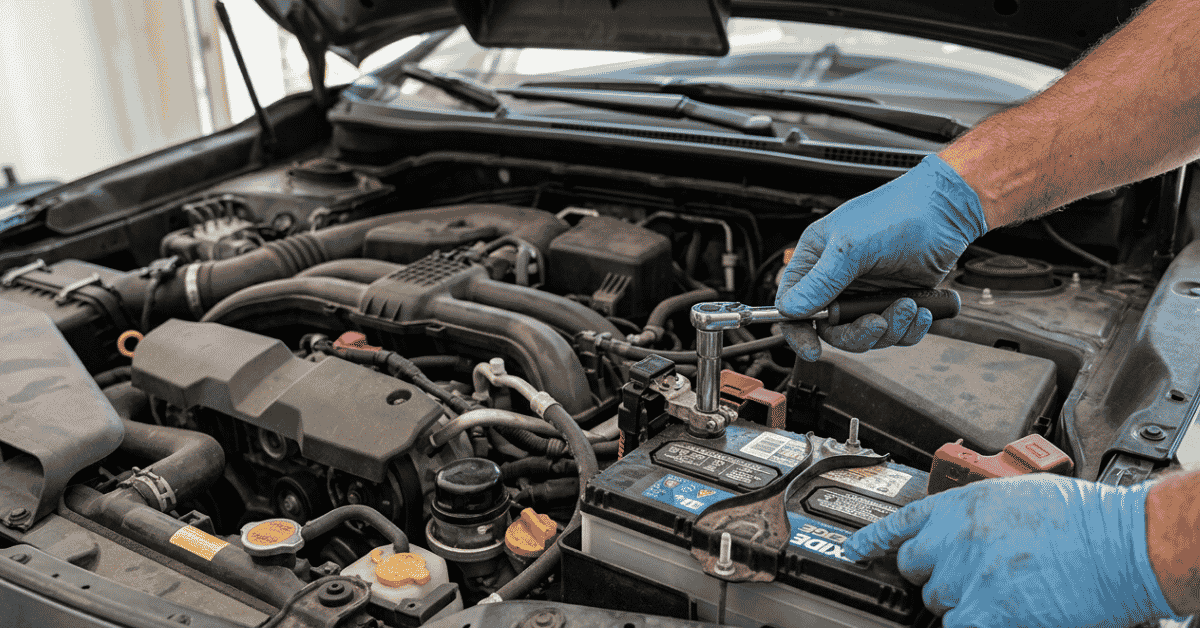
I once got stuck in my garage with a dead sedan. Finding the right tool to remove car battery clamps felt like a huge test. I have fixed my own cars for ten years. In this guide, I will show you the exact kit you need to do this job safely. Read on to start your quick fix now!A terminal ratchet wrench for car battery removal. Source: Walmart.ca
The Frustration of Using the Wrong Tools
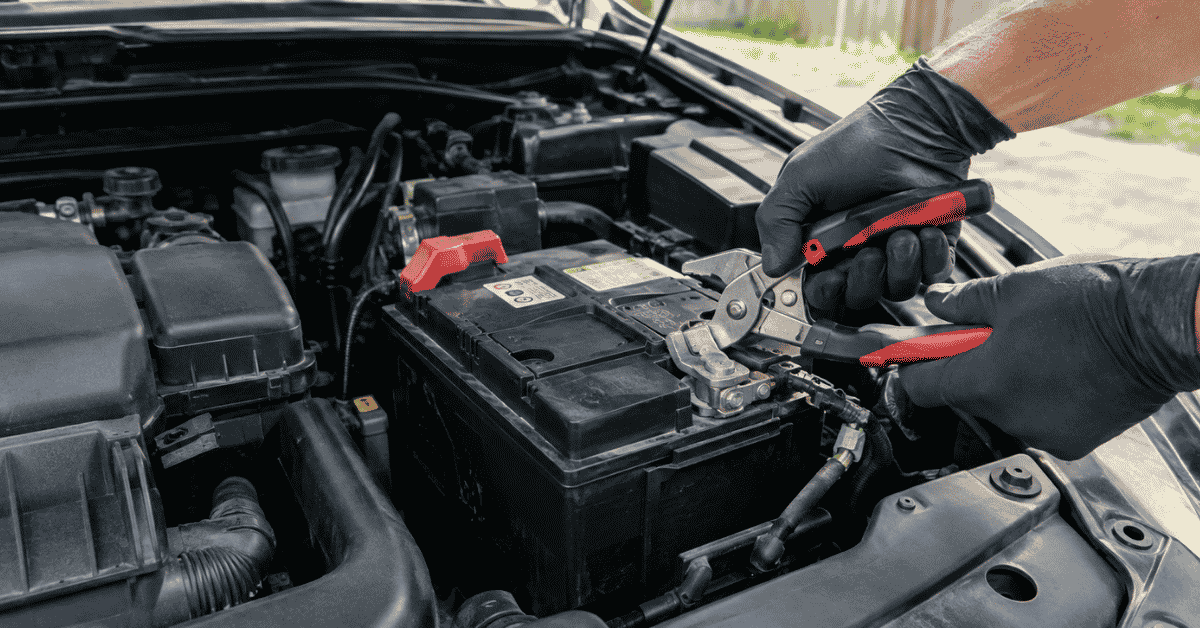
I still remember the first time I tried to replace a dead battery in my driveway. I brought out a pair of rusty household slip-joint pliers and hoped for the best. That attempt turned into a thirty-minute headache. Standard pliers slipped off the soft lead nut, rounding off the edges and creating sparks when the tool brushed against metal body paint.
Why Standard Pliers Will Fail You
Car battery terminal bolts require uniform force on six flat edges. When you use standard slip-joint pliers, you apply pressure on only two sides. Because battery terminals are made from soft lead or zinc-plated steel, pliers quickly round the corners. Once a terminal nut is rounded, simple hand tools can no longer grip it cleanly.
The Hidden Hazard of Sparking Terminals
Working with improper tools creates real safety risks. A long steel wrench or bare pair of pliers can easily bridge the gap between the positive post and the metal frame of your vehicle. This creates an immediate short circuit. The sudden arc can melt metal, destroy delicate car electronics, or even cause battery gases to ignite.
Essential Socket Wrench Sets for Terminal Removal
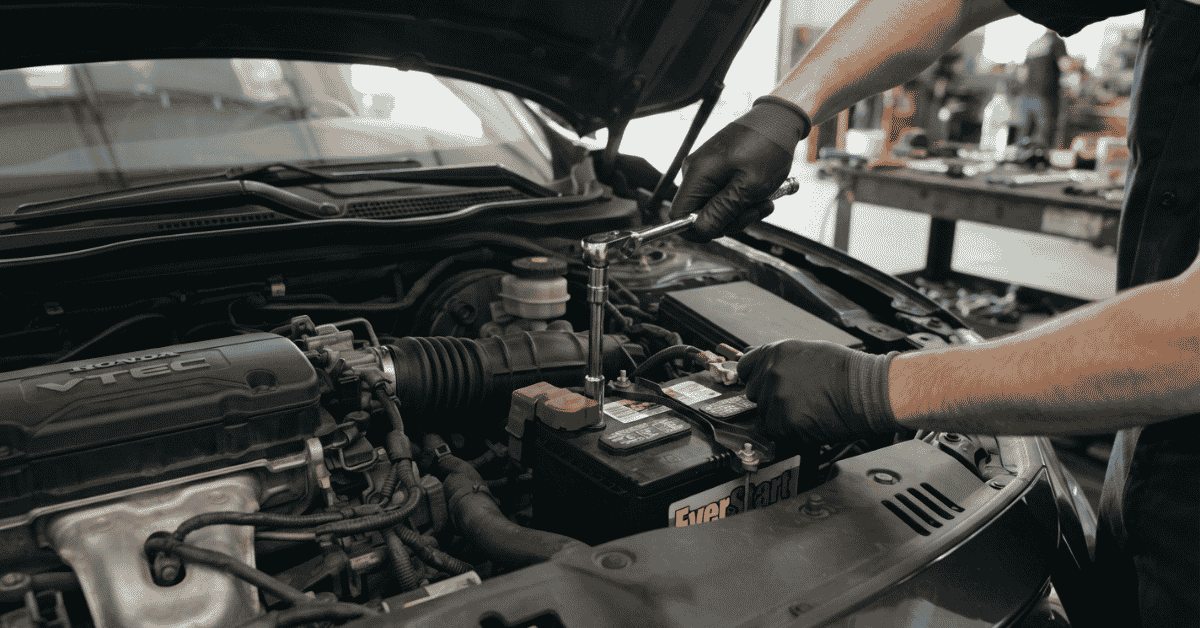
After my early mistakes, I invested in a dedicated socket wrench kit. Having the right socket size makes disconnecting a battery effortless and safe.
Choosing the Right 10mm and 8mm Sockets
In almost all modern vehicles, battery terminal nuts require either an 8mm, 10mm, or 13mm socket. A 10mm six-point deep socket is by far the most common size across Japanese, European, and American cars. I always recommend using a six-point socket rather than a twelve-point socket. Six-point sockets make full contact with the bolt flats, preventing slipping.
The Advantage of Rubber-Coated Handles
Insulated tools give you vital peace of mind. A ratchet with a rubberized or vinyl-dipped handle shields you from accidental grounding. When I turn my ratchet in a tight engine bay, the non-conductive grip ensures that touching a metal fender panel won’t produce a sudden short.
Specialized Battery Terminal Pullers and Spanners
Sometimes a terminal bolt is completely loose, yet the metal clamp refuses to budge from the tapered post. That is where specialized extraction tools become invaluable.
How Terminal Pullers Unstick Corrosion
Over time, battery posts build up white lead-sulfate corrosion. This buildup welds the clamp to the post. Forcing it off with a screwdriver can crack the plastic battery casing. A battery terminal puller works like a miniature jaw puller. Its tiny arms hook under the clamp while a center screw pushes against the top of the post, lifting the clamp straight up without strain.
Angled Ratchet Wrench Benefits
An angled battery spanner is another tool I keep in my top drawer. These specialized box-end wrenches feature a built-in offset angle and a slim ratcheting head. The angle keeps your hand elevated above acid buildup, while the fine-tooth ratchet lets you turn nuts in extremely tight engine bays.
Comprehensive Comparison of Top Car Battery Removal Tools
To help you choose the best equipment for your home garage, I compiled this summary table based on durability, ease of use, and overall safety.
Key Auxiliary Safety Gear You Should Never Skip
Having the primary turning tools is only half the battle. You also need basic protective accessories to stay safe from corrosive battery acid.
Eye Protection and Nitrile Gloves
Car batteries contain sulfuric acid electrolyte. Even a tiny drop of old acid crust on your fingers can burn your skin or ruin your clothes. I always put on heavy-duty nitrile gloves and safety goggles before opening the hood. If acid splashes, eye protection prevents permanent injury.
Wire Brushes and Terminal Cleaners
Once the old battery is out, you should clean the cable connectors before installing a new unit. A two-in-one battery post cleaner features internal steel bristles for post tops and external wire brushes for clamp interiors. Scrubbing away oxidation ensures optimal electrical conductivity for your starter motor.
Step-by-Step Guide: Disconnecting Your Car Battery
Following the correct sequence is critical when removing a battery. Deviating from the proper order can result in short circuits or blown fuses.
Unbolting the Negative Terminal First
Always locate the negative terminal first, which is marked with a minus sign (-) and typically has a black cable. Place your 10mm socket on the nut, turn counterclockwise, and loosen it until the clamp rotates freely. Slip the negative cable completely off the post and tuck it off to the side so it cannot spring back.
Detaching the Positive Terminal Safely
Once the ground path is broken, move to the positive terminal marked with a plus sign (+) and a red cover. Loosen the retaining nut with your insulated ratchet and lift the positive cable free. Because the negative ground is already disconnected, touching the wrench against the metal frame now poses no short-circuit danger.
Unfastening Hold-Down Brackets and Lifting Strategy
After disconnecting both cables, the battery remains secured to the vehicle tray by a metal hold-down bracket or bottom wedge.
Navigating Deep Hold-Down Bolts with Extensions
Hold-down bolts are usually located deep down at the base of the battery tray. A standard ratchet will not reach them. I attach a 10-inch extension bar to my 12mm or 13mm socket. This lets me spin off the hold-down bolt cleanly from above without bumping into intake hoses or wiring harnesses.
Using Battery Carrying Straps to Save Your Back
An automotive battery weighs between thirty and fifty pounds, and built-in plastic handles are often flimsy or missing. A rubber battery carrying strap hooks onto the lead posts or side ridges. It allows you to lift the heavy block straight up with one hand while keeping your posture balanced.
Common Pitfalls and How I Avoided Costly Errors
Over a decade of DIY auto maintenance, I have encountered almost every battery removal hiccup imaginable. Here is how you can avoid the most common traps.
Preventing ECU Memory Loss with a Memory Saver
When you disconnect a modern car battery, the engine control unit (ECU) loses power. This can reset your radio presets, clock, power window memory, and drive cycle calibration. I plug a simple OBD-II memory saver powered by a 9V battery or jump pack into the interior port before removing the terminals. This maintains continuous background voltage.
Dealing with Stripped Terminal Nuts
If a previous owner rounded off the terminal nut, standard sockets will spin uselessly. In these cases, I use a specialized bolt extractor socket with spiral flutes. The spiral teeth bite into the damaged nut as you turn counterclockwise, allowing you to remove damaged fasteners without cutting the main cable.
Maintenance and Storage for Your Battery Tool Kit
Taking care of your tools ensures they remain ready for emergency roadside repairs. Acid exposure can quickly ruin chrome finishes if left uncleaned.
Cleaning Acid Residue Off Your Wrench
After completing a battery swap, wash your sockets and ratchets in a solution of warm water and baking soda. The alkaline baking soda neutralizes any invisible sulfuric acid droplets. Wipe the tools dry with a clean shop towel and apply a light coat of machine oil to prevent rust.
Storing Gear in a Portable Trunk Organizer
I keep my 10mm socket, extension bar, terminal brush, and gloves together in a compact zipper pouch inside my trunk. Having these items organized in one dedicated spot ensures I am never left stranded when a battery fails away from home.
Frequently Asked Questions
What size socket fits most car battery terminals?
Most cars use a 10mm socket to free the post nuts. Keep a small socket set in your car trunk now. Learn more about fast socket gear.
Which battery cable should I remove first?
Always pull the black minus wire off first. This step stops bad sparks and keeps you safe. Learn more about safe car battery wire steps.
Can I use adjustable pliers to remove battery nuts?
Pliers can slip and strip soft lead nuts. Use a good six point socket wrench kit now. Learn more about top wrench tools for cars today.
Do I need a battery puller tool?
A puller helps if your post clamp is stuck fast. It lifts the clamp with zero bad stress. Learn more about stuck post puller gear now.
Why should I use a memory saver tool?
This saver tool keeps car power on. It saves your clock settings. It stops bad data loss. Learn more about smart car tools now.
Final Takeaway
Replacing a car battery does not have to be a stressful task when you keep the right gear in your garage. As the soft evening light fades through my workshop window and the quiet rhythmic clack of my keyboard slows down, I am reminded of how much confidence comes from self-reliance. Equipping yourself with a reliable ratchet, terminal puller, and safety gloves makes all the difference. Step out into your garage, take your time, and enjoy the real satisfaction of fixing your vehicle with your own hands today.