
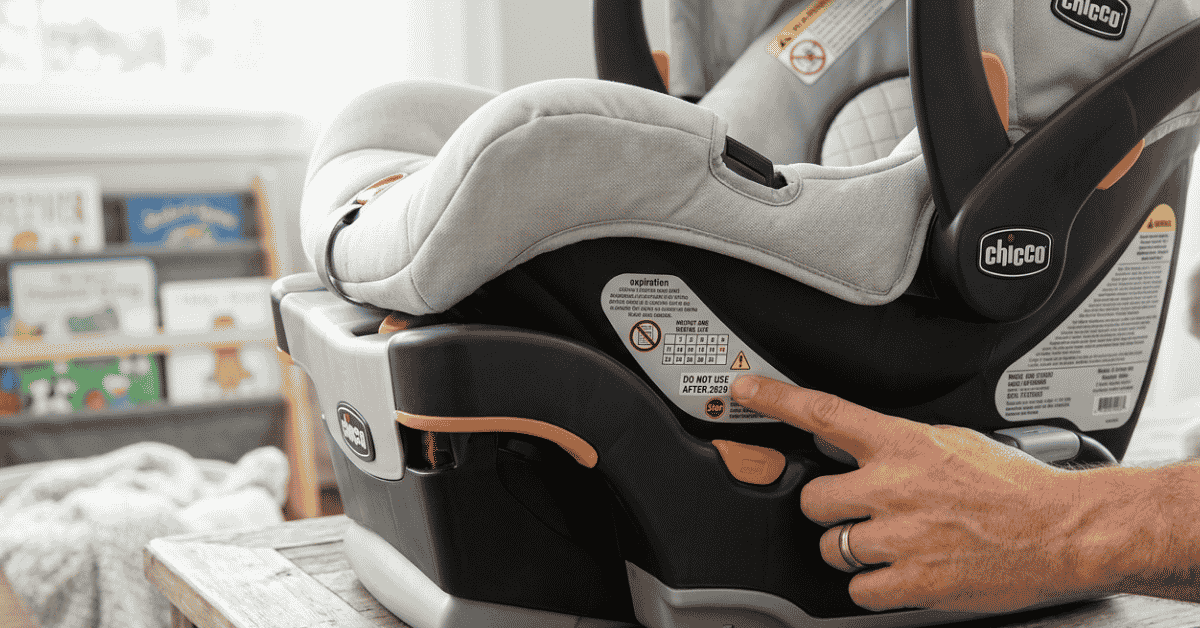
chicco car seat expiration affects your child’s safety more than most parents realize. Learn how to find dates, avoid risks, and stay protected.
Chicco car seat expiration became a topic I took seriously after helping a cousin clean out a garage packed with baby gear. One seat looked nearly new. The fabric was spotless. The straps seemed fine. Then we checked the expiration date. It had expired years earlier. That moment showed how easy it is to overlook a small label that plays a major role in child safety. This guide explains expiration dates, why they exist, and how to make smart decisions for your family.
Is Chicco Car Seat Expiration Really Important?
Many parents ask this question.
The short answer is yes.
Car seats are not designed to last forever. Materials age. Safety standards change. Daily use creates stress that may not be visible to the eye.
A seat can look perfect and still be past its safe service life.
Why Car Seats Have Expiration Dates
Manufacturers establish expiration periods for several reasons.
These include:
- Plastic aging
- Material fatigue
- Wear from temperature changes
- Updated safety regulations
- Product improvements
Each factor affects long-term performance.
Heat and Time Create Stress
Cars experience extreme conditions.
Summer temperatures climb fast.
Winter temperatures drop sharply.
Over time, repeated expansion and contraction may weaken materials.
The changes often happen slowly.
Most parents never notice them.
Safety Technology Evolves
Child passenger safety keeps improving.
New crash testing methods appear.
Design standards advance.
Features that seemed excellent ten years ago may no longer reflect current recommendations.
Common Lifespan Overview
| Car Seat Type | Typical Lifespan |
|---|---|
| Infant Seat | Around 6 to 8 years |
| Convertible Seat | Around 8 years |
| Booster Seat | Around 8 to 10 years |
Always verify the exact expiration date listed on your specific Chicco model.
The manufacturer’s label remains the final authority.
How to Find a Chicco Car Seat Expiration Date
Locating the expiration date is usually straightforward.
The challenge comes from knowing where to look.
Many parents search the wrong places.
Check the Product Label First
Most Chicco seats include important information on a label attached to the shell.
Look for details such as:
- Date of manufacture
- Model number
- Serial number
- Expiration information
The label often sits on the back or underside of the seat.
Understand Date Formats
Manufacturers may display:
- Manufacture date
- Expiration date
- Service life information
Sometimes you need to calculate the expiration based on the manufacturing date and stated lifespan.
Read carefully.
Review the Owner’s Manual
The manual often explains:
- Product lifespan
- Expiration guidance
- Safety recommendations
Many people throw manuals away.
Digital versions can often help when originals disappear.
Places Parents Often Miss
Under the Seat Base
Some labels hide beneath the seat.
A quick inspection can reveal key details.
Rear Shell Area
Manufacturers frequently place information where it remains protected from daily wear.
Side Panels
Depending on the model, side areas may contain identification labels.
Quick Inspection Checklist
| Item to Check | Purpose |
|---|---|
| Manufacture Date | Establish age |
| Expiration Date | Confirm usability |
| Model Number | Identify product |
| Manual Details | Verify lifespan |
| Recall Status | Check safety updates |
Five minutes of checking can provide peace of mind.
Risks of Using an Expired Chicco Car Seat
This topic makes some parents uncomfortable.
I understand why.
Nobody wants to discover trusted safety equipment has reached the end of its service life.
Still, understanding the risks helps families make informed decisions.
Material Strength Can Decline
Plastic remains strong for years.
Eventually, aging affects performance.
Temperature swings, sunlight, and everyday stress all contribute.
Tiny changes may not be visible.
Missing Safety Updates
An older seat may lack:
- Improved side-impact protection
- Updated harness systems
- Enhanced energy management features
Safety design continues to evolve.
Newer seats often reflect lessons learned from additional testing.
Unknown Storage History
Secondhand seats create another challenge.
You may not know:
- How they were stored
- Whether they experienced extreme heat
- If they were involved in a crash
- Whether parts were replaced
Unknown history introduces uncertainty.
Crash Performance Concerns
A car seat must perform during a rare but serious event.
That single moment matters.
Using equipment beyond its intended lifespan increases risk.
Signs That Demand Extra Attention
Watch for:
- Cracked plastic
- Fraying straps
- Missing labels
- Broken buckles
- Loose components
These issues deserve immediate review regardless of expiration status.
Smart Steps After a Chicco Car Seat Expires
Discovering an expired seat does not mean panic.
It means action.
A simple plan keeps things manageable.
Replace the Seat Promptly
Safety equipment works best within approved service life limits.
Once expiration arrives, begin the transition process.
Waiting rarely improves the situation.
Compare Current Options
Modern seats offer a wide range of features.
Consider:
- Child weight limits
- Height limits
- Installation systems
- Vehicle compatibility
- Ease of use
The right fit matters more than flashy marketing.
Avoid Donating Expired Seats
A common mistake occurs when families pass expired seats to friends or relatives.
Good intentions do not remove safety concerns.
Expired seats should not continue protecting another child.
Dispose of the Seat Properly
Many parents cut harness straps before disposal.
Others follow local recycling guidance when available.
The goal is preventing future use.
My Personal Recommendation
Whenever I help friends evaluate baby gear, I start with two questions.
How old is the seat?
Has it expired?
Those answers guide every other decision.
The cost of replacement may feel inconvenient.
The value of reliable protection makes the choice much easier.
FAQs
How many years before a Chicco car seat expires?
Most Chicco car seats have service lives ranging from about six to ten years, depending on model type. Always verify the label on your seat.
Can I use a Chicco car seat one year after expiration?
Safety experts recommend replacing the seat once it reaches expiration. Aging materials and outdated standards can affect protection performance.
How do I check my Chicco car seat expiration date?
Look for the manufacturer label on the seat shell. It usually includes the manufacture date, model information, and lifespan details.
Does an unused Chicco car seat still expire?
Yes. Even unused seats age over time. Material degradation can occur regardless of whether the seat has been used regularly.
Should I buy a secondhand Chicco car seat?
Only if you can verify its age, history, expiration status, and condition. Unknown storage or crash history can create safety concerns.