
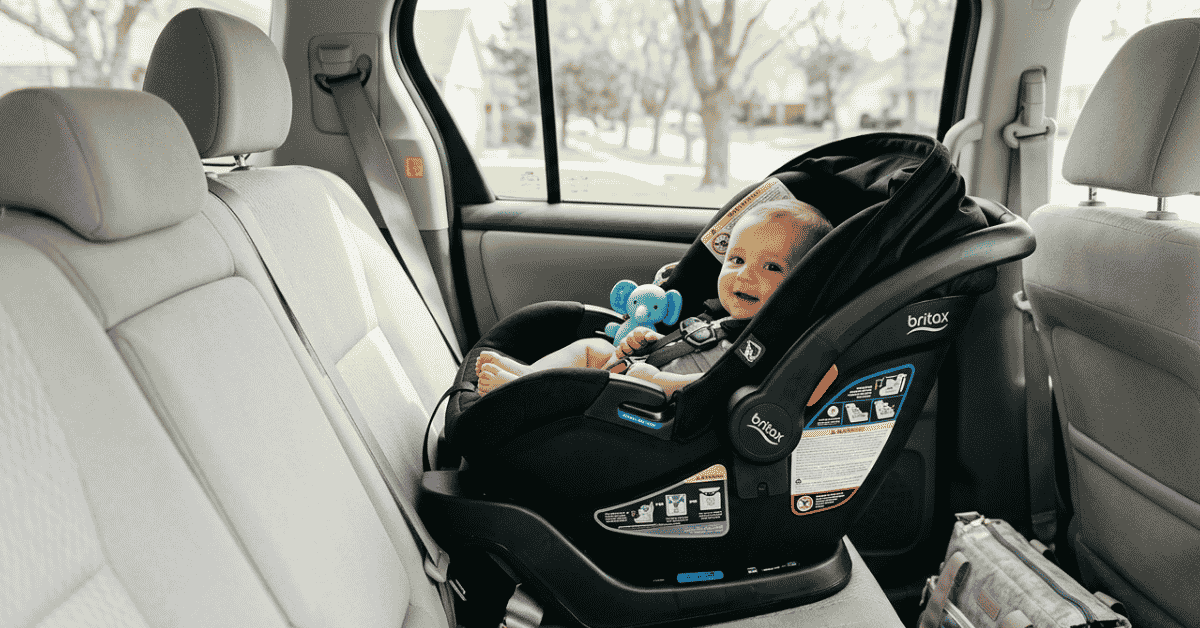
Britax infant car seat weight limit matters more than most parents think. Learn safe limits, smart tips, and avoid common mistakes today.
Britax infant car seat weight limit became a topic I paid close attention to after helping a friend install a newborn car seat one rainy morning. The seat looked perfect. The fit seemed fine. Yet one small detail almost got missed, the weight limit. That moment reminded me how easy it is to focus on comfort and design while overlooking safety rules. In this guide, I’ll explain how weight limits work, why they matter, and how to know when it’s time for the next seat.
Britax Infant Car Seat Weight Limit
Many parents assume all infant car seats have the same limits.
They do not.
Each model comes with its own approved weight and height range. Britax follows strict safety standards, but limits still vary between products.
Most Britax infant car seats typically support babies from around 4 pounds up to 30 or 35 pounds, depending on the model. Height limits also apply and can be just as important as weight.
A baby may reach the height limit before reaching the maximum weight.
That surprises many parents.
Why Manufacturers Set Weight Limits
Weight limits are not marketing numbers.
They are tested figures based on crash performance.
Engineers examine:
- Harness strength
- Shell protection
- Impact forces
- Child positioning
- Seat stability
Once a child exceeds the approved range, the seat may no longer protect them as intended during a crash.
Common Britax Infant Seat Ranges
The table below shows general examples often found across popular infant car seat categories.
| Seat Type | Starting Weight | Maximum Weight |
|---|---|---|
| Newborn Infant Seat | 4 lbs | 30 lbs |
| Premium Infant Seat | 4 lbs | 35 lbs |
| Travel System Infant Seat | 4 lbs | 30-35 lbs |
Always check the label on your specific seat.
The label wins.
Not a blog article. Not a social media post. Not even advice from another parent.
Weight Limit vs Height Limit
Parents often focus only on pounds.
Height matters too.
A child can outgrow a seat if the head comes too close to the top shell, even if they remain below the maximum weight.
Read both numbers together.
That gives the full safety picture.
Signs Your Baby Is Close to Outgrowing the Seat
One Saturday afternoon, I watched a family struggle with a harness that suddenly felt too tight.
The issue wasn’t the straps.
The child had nearly outgrown the seat.
Several clues can tell you it’s time to prepare for a transition.
The Harness Feels Tight
A snug harness is good.
An overly tight harness despite adjustments may signal growth beyond the intended fit.
Look closely at shoulder placement and buckle position.
The Head Sits Too High
Most manufacturers recommend keeping a safe amount of shell above the child’s head.
Once that space becomes limited, it’s time to review the seat manual.
Weight Is Near the Maximum
Many parents wait until the exact limit arrives.
I prefer planning early.
If the seat allows 35 pounds and your child weighs 32 pounds, start researching the next stage.
That prevents rushed decisions.
Growth Spurts Happen Fast
Babies do not grow in a straight line.
One month feels slow.
The next month feels shocking.
Keeping track of weight every few weeks helps avoid surprises.
Quick Checklist
Review these points monthly:
- Check current weight
- Measure standing height
- Inspect harness fit
- Read seat labels
- Confirm head clearance
- Review manual instructions
Five minutes can make a huge difference.
Safe Installation Tips That Support Proper Protection
A great car seat can perform poorly if installed incorrectly.
That sounds harsh.
It is also true.
Research from safety organizations continues to show installation mistakes remain common.
Secure the Base Correctly
The base should move very little once installed.
A loose base reduces effectiveness during sudden impact.
Test for movement at the belt path.
Position the Harness Properly
Harness straps should lie flat.
Twisted straps create uneven pressure during a crash.
I always run my fingers along the strap before buckling a child in.
It takes seconds.
Dress Your Baby Smartly
Bulky winter coats create dangerous slack.
Instead, use:
- Thin layers
- Fleece clothing
- Blankets over the harness
- Car seat-safe covers
The harness should contact the body closely.
Register the Car Seat
Many parents skip this step.
Don’t.
Registration helps manufacturers notify owners about recalls or safety updates.
Follow Expiration Dates
Car seats do not last forever.
Materials age.
Plastic weakens.
Technology changes.
The expiration date appears on the seat label and should never be ignored.
Installation Mistakes Seen Most Often
| Mistake | Risk |
|---|---|
| Loose harness | Increased movement during crash |
| Twisted straps | Uneven restraint force |
| Thick winter coat | Harness slack |
| Wrong recline angle | Airway concerns |
| Ignoring weight limits | Reduced protection |
Small mistakes can add up.
Attention to detail matters.
Choosing the Next Car Seat After the Infant Stage
Eventually every infant seat reaches its limit.
That transition can feel confusing.
The good news is that modern options provide excellent protection.
Rear-Facing Should Stay Longer
Many parents rush toward forward-facing seats.
Safety experts generally recommend keeping children rear-facing as long as allowed by the next seat.
Rear-facing positions distribute crash forces more effectively.
Convertible Car Seats Make Sense
Convertible seats often support:
- Rear-facing toddlers
- Forward-facing children
- Higher weight capacities
That can reduce future purchases.
Focus on Fit, Not Trends
The newest design is not always the best choice.
The best seat:
- Fits your child.
- Fits your vehicle.
- Fits your budget.
- Gets used correctly every trip.
Everything else comes second.
Questions to Ask Before Buying
Think through these points:
- What is the rear-facing limit?
- How easy is installation?
- Does it fit small vehicles?
- Can grandparents use it easily?
- Is the manual clear?
Simple questions lead to better choices.
My Biggest Takeaway
The safest parents are rarely the most worried.
They are the most informed.
They check labels.
They read manuals.
They monitor growth.
They stay ahead of the next stage instead of waiting for a problem.
That mindset does more for child safety than any premium feature ever could.
FAQs
How much weight can a Britax infant car seat hold?
Most Britax infant models support babies from about 4 pounds up to 30 or 35 pounds. Check your seat label because exact limits vary by model.
Can my baby exceed the Britax infant car seat weight limit briefly?
No. Once your child reaches the maximum approved weight, move to the next appropriate seat to maintain crash-tested safety protection.
Does height matter as much as weight in a Britax car seat?
Yes. A child may outgrow the seat by height before reaching the weight limit, so both measurements must be checked regularly.
How often should I check my baby’s car seat fit?
A monthly review works well. Measure weight, assess harness fit, check height, and inspect head clearance against manual guidelines.
Should I switch to a convertible seat before reaching the limit?
Planning early is smart. Research options before the limit arrives so you can transition safely without making a rushed purchase.