
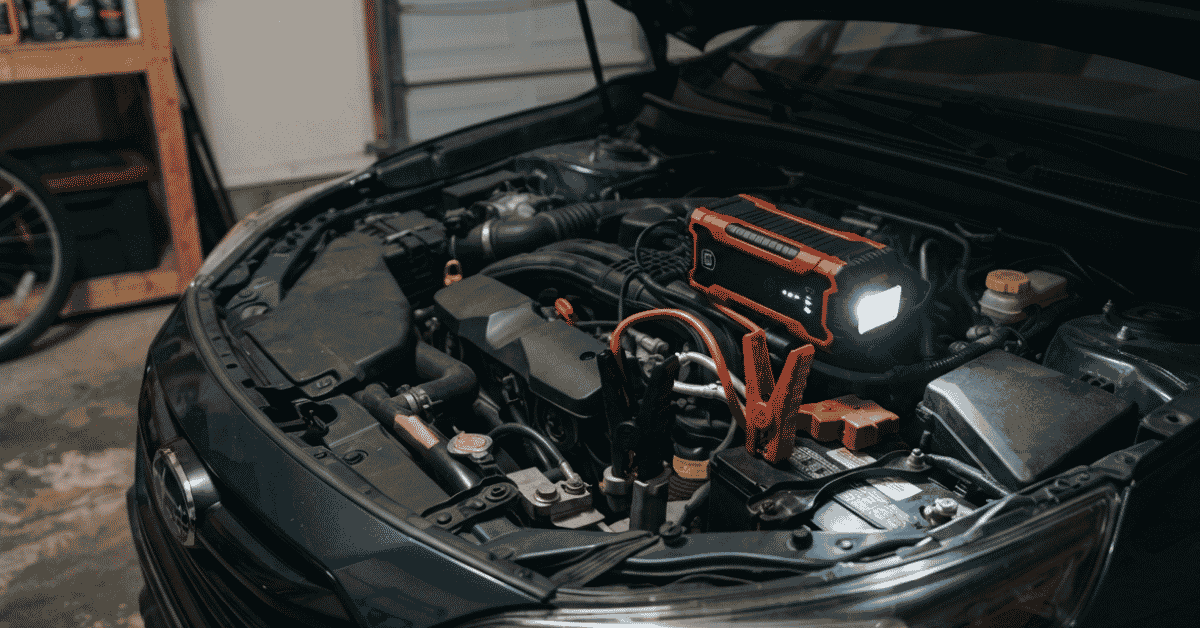
Car Jump Starter basics made simple: learn safe use, key features, storage tips, battery care, and smart steps for stressful roadside moments.
Car Jump Starter gear once seemed optional to me. Then one dead battery changed that view fast. My engine clicked, lights faded, and silence followed. That small sound made my stomach tighten instantly. I learned safe use, storage, charging, and basic checks. These lessons can make your next roadside problem easier.
Is a Car Jump Starter Really Worth Carrying?
I used to wonder if one deserved trunk space. Jumper cables already seemed good enough for emergencies. Then my battery died before an early drive.
Cold air hit my hands near the hood. The starter clicked once, then went quiet again. No other car sat close enough for cables.
That moment changed my opinion rather quickly. A portable jump pack gives you more independence. You do not need another vehicle beside yours.
Most units stay compact enough for easy storage. Many also include lights and USB charging ports. Some add small screens for charge level checks.
I now see one as practical emergency gear. Maybe I never need it, which sounds great.
Life Before I Found This
Before carrying one, dead batteries felt oddly dramatic. I relied on jumper cables and other drivers. That meant asking strangers or calling someone nearby.
My old cables smelled like warm rubber each summer. They stayed tangled beneath a dusty trunk mat. Pulling them free always took more effort.
The worst part was waiting without clear control. Cars passed while my phone battery slowly dropped. The clock seemed louder inside the parked cabin.
I hated that helpless feeling more than anything. A charged jump starter made the problem feel smaller.
Why This Matters Right Now
Cars depend on batteries for far more than starting. Lights, screens, chargers, sensors, and alarms all draw power. Short trips can also strain weak batteries over time.
Cold weather can expose battery weakness very quickly. Hot weather can also age batteries behind the scenes. Long parking periods create another common source of trouble.
Roadside service still has real value, of course. Yet service can take time during busy periods.
A Car Jump Starter gives you another backup choice. That can matter at home, work, or roadside stops.
It does not replace proper battery care. Still, it can turn one bad morning around.
The First Big Lesson
The first lesson involves matching power with your vehicle. Bigger numbers can look impressive on product boxes. They do not tell the full story alone.
Your engine size matters during product selection. Gas and diesel engines can have different power needs. Vehicle voltage also needs to match the device.
I always check the maker’s vehicle guidance first. That feels safer than chasing the largest number.
Charge level matters just as much as rated power. A strong jump pack cannot help when nearly empty.
I also learned that battery condition changes results. A weak battery may accept help quite easily. A badly damaged battery may need professional service.
The unit provides temporary starting power, not repair. That distinction saves a lot of false hope.
Small Tactics That Actually Work
I keep my jump starter inside its case. Clamps, cables, and instructions stay together beside it. Loose parts disappear surprisingly fast inside car trunks.
I check the battery level every few months. Long road trips get an extra check beforehand. A low reading means charging before I leave.
During use, I switch off extra electrical loads. Lights, fans, heated seats, and chargers can wait. Then I follow the clamp instructions exactly.
Positive usually connects to the positive battery point. The negative connection depends on the unit instructions. I never guess during a rushed roadside moment.
After starting, I disconnect parts in proper order. Then I recharge the pack after getting home.
A small routine makes emergency use much calmer.
A Strange Detail I Noticed
The strangest benefit was not mechanical at all. Carrying one changed my mood during slow starts.
One winter morning, frost covered the windshield edges. The cabin smelled faintly like cold fabric and coffee. My starter turned slower than normal that day.
I felt concern, but not the old panic. The jump pack sat inside its black case nearby. That simple fact made the problem feel manageable.
Maybe backup gear changes our sense of control. The car itself had not become more reliable. My response to trouble had changed instead.
That mental benefit surprised me more than expected.
Style Comparison & Data
Different starting options make sense in different situations. I use this quick comparison during trip planning.
| Starting Option | Main Benefit | Main Limitation |
|---|---|---|
| Jump starter | Works without another car | Needs stored charge |
| Jumper cables | Cheap and simple | Needs another vehicle |
| Roadside service | Professional support | May involve waiting |
| Battery charger | Good home support | Needs power source |
| New battery | Fixes worn battery | Higher upfront cost |
No single option solves every battery problem. I prefer carrying more than one backup method.
Non-Obvious Gains
A Car Jump Starter offers more than roadside power. Several small benefits became clear after regular ownership.
-
It reduces dependence on nearby drivers during emergencies.
-
It encourages me to check battery health more often.
-
Built-in lights can help during dark roadside stops.
-
USB ports may support phones during power problems.
-
Compact cases keep emergency gear neat and organized.
-
It can help during parking lot battery failures.
-
Regular charging creates better emergency preparation habits.
-
It may reduce stress during long solo trips.
Those gains seem small until trouble actually arrives.
Myths vs. My Reality
I used to think every jump starter worked identically. Then different engine ratings changed my buying process.
I used to think peak numbers told everything. Then vehicle compatibility became much more useful.
I used to think one charge lasted forever. Then months of storage proved that idea wrong.
I used to think a successful jump fixed batteries. Then repeated dead starts taught me otherwise.
I also assumed clamp mistakes were harmless. Then I learned connection errors can damage equipment.
Modern safety features can reduce some common risks. They still do not replace careful use.
I now treat the device like serious car gear. Good habits matter more than flashy product claims.
That change made my setup safer and simpler.
Essential Principles for Mastery
I follow five basic rules with any jump starter. First, choose one that fits your vehicle needs. Check voltage, engine size, and maker guidance carefully.
Second, keep the device charged and ready. I set a simple reminder every few months. That prevents forgotten gear from becoming dead weight.
Third, inspect the battery before connecting anything. Swelling, leaks, cracks, or strong odors concern me. Those signs may call for professional help instead.
Fourth, follow the exact clamp sequence provided. I keep loose jewelry away from battery work. I also keep cables clear of moving engine parts.
Fifth, treat repeat battery failure as a warning. The battery, alternator, or electrical system may need testing.
I also store the unit away from harsh heat. Good storage helps protect the internal battery over time.
Prepared gear works best with calm judgment.
FAQs About Car Jump Starter
Can a Car Jump Starter start any vehicle?
No, each unit has limits based on voltage and engine size. I always compare the product rating with my vehicle first. Large engines may need stronger units than small passenger cars.
Does a Car Jump Starter need regular charging?
Yes, stored jump packs can lose charge over time. I check mine every few months and before long trips. The maker’s manual should give the best charging and storage advice.
Can I use a jump starter on a dead battery?
Many units can start vehicles with weak batteries. A damaged or deeply failed battery may behave differently. I stop if I notice leaks, swelling, heat, or unusual smells.
Can a Car Jump Starter charge my phone?
Many current models include USB ports for small devices. That feature can help during outages or roadside stops. Port type, output, and capacity vary between individual models.
Is a jump starter better than jumper cables?
Each option has different strengths and limits. A jump pack works without another car, while cables need one nearby. I like carrying both because each can help in different situations.
My Final Takeaway
A Car Jump Starter became one of my favorite backups. It stays quiet in the trunk most days. That is exactly where I want it.
The real value appears during one bad start. A charged unit can offer fast, independent assistance.
I keep mine charged, packed, and easy to reach. Maybe that sounds a little cautious, but fine. Roadside stress feels much smaller with useful gear nearby.