
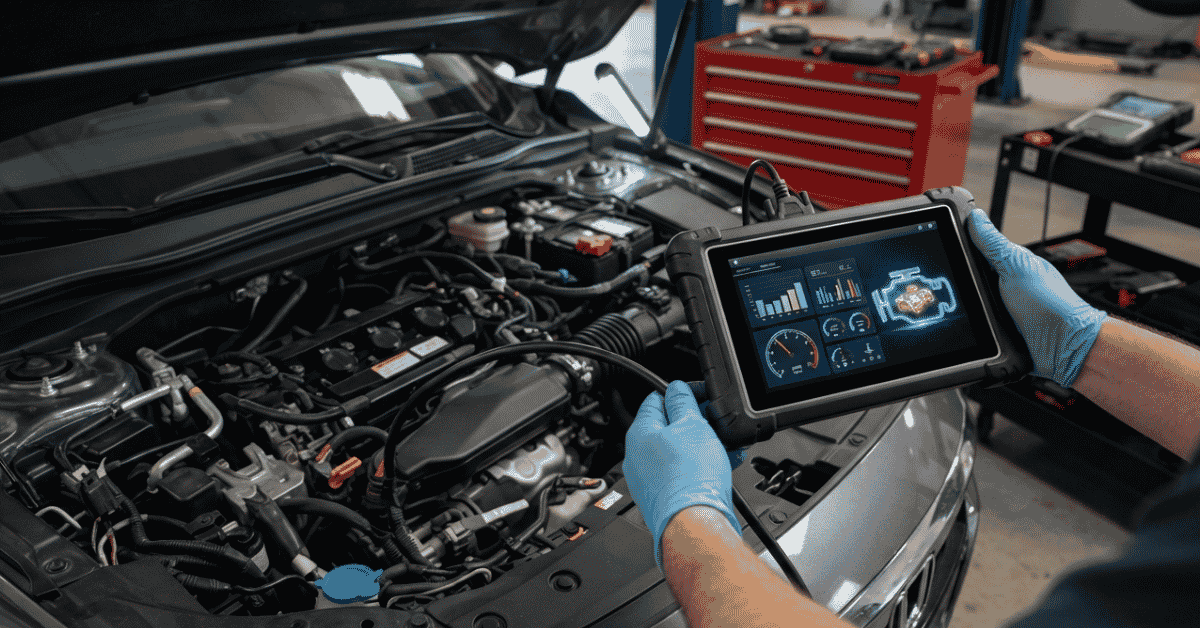
Mcat Cars Diagnostic Tool helps car owners find faults fast with smart scans, clear codes, and calm fixes during daily vehicle care.
I still recall my first car scan. The garage felt cold, and my hands felt unsure. I wanted answers without a shop visit. This guide shares my lessons, tips, and small thoughts about using a scan tool with care.
Mcat Cars Diagnostic Tool: Is It Worth It?
I asked myself this after my car light came on. The dashboard glow felt bright in my dark garage.
I heard the engine sound change a bit. My mind started making guesses about the issue.
I guess many drivers know this feeling. A small warning light can create big worry.
A Mcat Cars Diagnostic Tool gave me a new view. It showed codes and helped me understand the issue.
It did not fix the car by itself. It gave me useful clues before I made choices.
That small bit of knowledge felt calming.
Life Before I Found This
Before I used a scan tool, car checks felt hard. I relied on guesswork and random advice.
My garage smelled like fuel and old rubber. The floor had marks from past repairs.
I remember staring at the dashboard light. I felt stuck and unsure.
A simple warning became a long search. I checked many pages but found mixed answers.
The lack of clear info caused stress. I wanted a tool that spoke in simple terms.
That search led me toward a better way.
Why This Matters Right Now
Modern cars use many electronic parts today. Small faults can create confusing signs.
Drivers want quick answers before costly repairs. A scan tool can help with early checks.
Many people now learn basic car care skills. They want more control over their vehicles.
A Mcat Cars Diagnostic Tool can save time. It helps users read car data with less effort.
I see more owners keep tools at home. They want calm steps during car issues.
Maybe this change comes from a need for confidence.
The First Big Lesson
My first big lesson was about reading codes. A code is not the full answer.
It is a clue that points toward a system. Good judgment still matters after scanning.
A Mcat Cars Diagnostic Tool helps users see hidden data. It can show engine issues and sensor faults.
I learned not to fear warning lights. Data can turn worry into a clear path.
The tool gave me more control. I could ask better questions at repair shops.
I used to think scans were only for experts. Then I learned basic users can benefit too.
The key is learning the meaning behind results.
Small Tactics That Actually Work
I learned a few habits after using scan tools. These steps made my checks smoother.
-
Read the car manual first.
-
Record codes before clearing them.
-
Check simple causes before big repairs.
-
Keep the tool in your car kit.
-
Scan again after repairs.
I also take notes during each check. This helps me track changes over time.
I keep a small light nearby. Dark corners can hide small details.
Good habits make tools more useful. The device works best with patient thinking.
A Strange Detail I Noticed
I noticed something funny about scan tools. People fear the numbers more than the car issue.
The screen shows codes, letters, and digits. It looks like a secret language.
But once learned, it feels simple. The fear fades away.
Maybe the strange part is this. A small device can reduce a big worry.
The quiet beep of a scan tool feels like progress.
Style Comparison & Data
Different scan tools offer different user value.
| Tool Type | Main Use | User Feel |
|---|---|---|
| Basic Scanner | Read codes | Simple start |
| Handheld Tool | Full checks | Better control |
| Smart Scanner | Data view | More insight |
| Pro Scanner | Deep tests | Expert support |
A good tool depends on your skill level. Simple options can still help many drivers.
Non-Obvious Gains
Many users focus only on fault codes. Other benefits often stay hidden.
-
Builds car knowledge.
-
Improves repair talks.
-
Reduces panic moments.
-
Saves research time.
-
Creates better care habits.
These small gains grow with use. A tool can change how owners view problems.
Myths vs. My Reality
I used to think scan tools were too complex. I saw them as shop-only devices.
But then I tried one myself. The process felt much easier than expected.
I used to think every code meant a huge repair. But then I learned many issues have simple causes.
I used to think tools were only about fixing. But then I saw they also teach.
The reality is simple now. Knowledge helps people make better choices.
A scan tool is a guide, not magic.
Essential Principles for Mastery
Good scan work starts with patience. Fast guesses can lead to wrong fixes.
My first rule is learning. Understand basic codes before making changes.
My second rule is checking. Look at symptoms along with scan results.
My third rule is safety. Avoid repairs beyond your skill level.
My fourth rule is tracking. Save past scans for future use.
My fifth rule is care. Keep tools clean and ready.
A Mcat Cars Diagnostic Tool supports this process. It helps drivers collect useful details.
I believe every car owner can learn basic scanning.
You do not need expert skills. You need curiosity and careful steps.
FAQs about Mcat Cars Diagnostic Tool
What is a Mcat Cars Diagnostic Tool used for?
A Mcat Cars Diagnostic Tool reads vehicle fault codes and gives users more insight into car systems. It helps owners check issues before seeking repair help.
Can beginners use a Mcat Cars Diagnostic Tool?
Yes, beginners can use it with basic learning. Most tools have simple screens and clear code results for common car checks.
Does a Mcat Cars Diagnostic Tool fix car problems?
No, the tool does not repair parts. It helps find clues and gives information about possible vehicle issues.
Is a Mcat Cars Diagnostic Tool worth buying?
Many drivers find value in having one. It can save time, reduce stress, and help during early problem checks.
Can I keep a Mcat Cars Diagnostic Tool in my car?
Yes, many users keep scan tools in their vehicle. Small size makes storage easy for quick checks during trips.
My Final Takeaway
I now see a Mcat Cars Diagnostic Tool as a smart helper. It brings calm during uncertain moments.
Small tools can create big confidence. Maybe learning your car starts with one simple scan.
Stay curious, stay safe, and keep learning your vehicle better.