
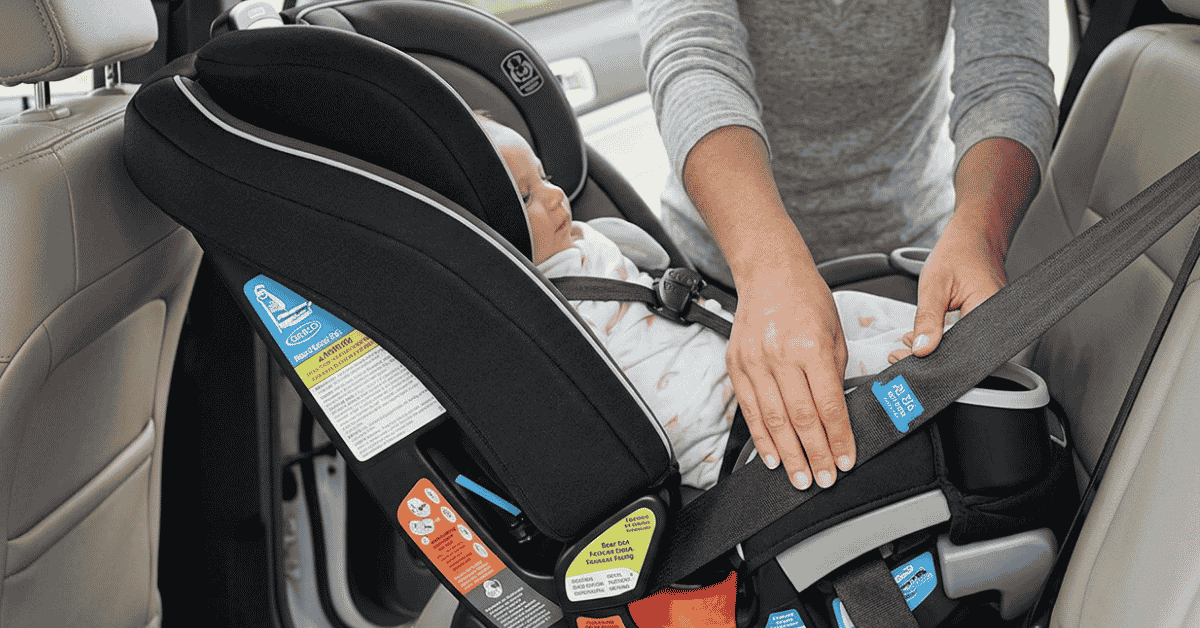
how to set up graco car seat rear facing is one of the most important skills new parents can learn. Get the setup right from day one.
How to set up Graco car seat rear facing became a topic I studied carefully before helping install a seat for a close family member. We thought the process would be quick. Then we opened the manual and realized several details mattered more than expected. A rear-facing car seat offers important protection for infants and young children, but only when installed correctly. This guide explains the setup process, common mistakes, safety checks, and practical tips that can help parents feel more confident every time they buckle their child into a Graco rear-facing seat.
How to Set Up Graco Car Seat Rear Facing Correctly?
Many first-time parents feel nervous during installation. That feeling is completely normal. A child’s safety depends on proper setup, and even small details deserve attention.
The first rear-facing seat I installed took nearly an hour because I checked every step twice. Looking back, the extra time was worth it. Once you understand the process, future installations become much easier.
A careful approach helps create confidence.
Start With the Right Location
Most rear-facing seats belong in the back seat.
Good placement often includes:
- Rear passenger position
- Rear center position if appropriate
- Flat seating surface
- Approved vehicle location
Always follow vehicle and seat instructions.
Basic Rear-Facing Setup Steps
Use this general process:
- Position the seat rear facing.
- Select an installation method.
- Route the belt or connectors correctly.
- Tighten the system.
- Verify the recline angle.
- Check movement.
Take your time during each step.
Rear-Facing Installation Overview
| Step | Purpose |
|---|---|
| Position Seat | Correct orientation |
| Secure Installation | Stable attachment |
| Adjust Recline | Proper angle |
| Check Movement | Verify security |
| Adjust Harness | Proper child fit |
Every step contributes to safety.
Read Both Manuals First
Before installation, review:
- Vehicle manual
- Car seat manual
- Weight guidelines
- Installation instructions
The manuals answer many questions.
Choosing the Best Rear-Facing Installation Method
Many Graco seats allow installation using either the vehicle seat belt or the LATCH system. Both methods can work well when used correctly.
I once assumed LATCH was automatically better. After helping install seats in several vehicles, I realized that a secure installation matters more than the specific method chosen.
The best method is usually the one that creates the tightest approved installation.
Understanding LATCH Installation
LATCH stands for Lower Anchors and Tethers for Children.
Benefits may include:
- Easier setup
- Simpler attachment
- Faster installation
- Clear connection points
Many parents find it convenient.
Understanding Seat Belt Installation
Seat belt installation remains widely used.
Advantages include:
- Broad compatibility
- Flexible seating positions
- Reliable security
- Easy availability
Many technicians use this method successfully.
Verify Weight Guidelines
Installation methods may have limits.
Review:
- Vehicle manual
- Car seat manual
- Child weight
- Manufacturer guidance
Weight restrictions matter.
Evaluate Your Vehicle
Every vehicle differs.
Consider:
- Seat shape
- Available space
- Anchor locations
- Access points
Compatibility affects convenience.
Focus on Correct Use
A properly installed seat should:
- Feel secure
- Stay stable
- Follow instructions
- Match manufacturer guidance
Correct installation remains the goal.
Rear-Facing Safety Checks Every Parent Should Know
Installation is only part of the process. Safety checks help confirm that everything works as intended. These inspections require only a few minutes but provide valuable peace of mind.
A neighbor once discovered a loose installation during a routine check. That simple inspection prevented a potential problem.
Small habits matter.
Perform the One-Inch Test
This test is simple and effective.
Steps:
- Grip the seat near the belt path.
- Push side to side.
- Push front to back.
Movement should remain under one inch.
Verify Recline Angle
Rear-facing seats require proper positioning.
Check:
- Recline indicators
- Level lines
- Approved settings
- Manual instructions
Correct angles support comfort and positioning.
Inspect Harness Placement
Harness fit changes as children grow.
Review:
- Strap height
- Routing
- Tension
- Alignment
Proper adjustment supports security.
Position the Chest Clip Correctly
The chest clip should sit at armpit level.
This helps:
- Maintain harness position
- Improve fit
- Reduce movement
- Support proper restraint use
Placement matters.
Remove Bulky Clothing
Heavy clothing can affect harness fit.
Examples include:
- Puffy coats
- Thick jackets
- Snow gear
- Heavy sweaters
Thin layers work better.
Check Before Every Trip
A quick review helps maintain safety.
Inspect:
- Harness tension
- Chest clip position
- Seat stability
- Child comfort
Routine checks become habits.
Common Mistakes to Avoid During Rear-Facing Installation
Many installation errors happen because parents rush or overlook details. Fortunately, most mistakes are easy to avoid once identified.
I watched a family spend nearly thirty minutes troubleshooting a loose seat. The issue turned out to be a simple belt routing mistake.
Small details matter.
Using the Wrong Belt Path
Many seats include multiple belt paths.
Incorrect routing may affect:
- Stability
- Positioning
- Installation quality
- Performance
Always verify the correct path.
Ignoring Recline Indicators
Proper recline supports safe positioning.
Problems may arise when:
- Angles are too upright
- Angles are too flat
- Indicators are ignored
- Instructions are skipped
Check indicators carefully.
Leaving Excess Movement
A loose seat requires adjustment.
After installation:
- Perform the one-inch test
- Tighten as needed
- Recheck security
- Verify connections
Movement should remain minimal.
Harnessing Too Loosely
Harness fit affects effectiveness.
After buckling:
- Tighten appropriately
- Check shoulder fit
- Verify chest clip position
- Perform a pinch test
The harness should feel snug.
Skipping the Vehicle Manual
Many parents focus only on the car seat guide.
Vehicle manuals explain:
- Seating positions
- Anchor locations
- Weight limits
- Installation restrictions
Both manuals matter.
Adding Unapproved Accessories
Avoid:
- Extra padding
- Strap positioners
- Unapproved inserts
- Homemade modifications
Use only approved components.
Forgetting Routine Rechecks
Installations should be inspected regularly.
Create a schedule for:
- Weekly reviews
- Monthly inspections
- Post-travel checks
- Seasonal adjustments
Consistency supports safety.
Rushing the Entire Process
Most mistakes happen when people hurry.
Allow time for:
- Reading instructions
- Testing movement
- Adjusting fit
- Verifying settings
Patience improves results.
Learning how to set up a Graco car seat rear facing takes a little time, but the effort pays off. Proper installation, correct harness adjustment, and regular safety checks help create a secure travel environment for infants and young children. Whether you choose LATCH or seat belt installation, the key is following manufacturer instructions carefully and verifying every step. A few extra minutes spent checking your work today can provide valuable peace of mind every time your child rides in the vehicle.
Frequently Asked Questions
How do I set up a Graco car seat rear facing correctly?
Place the seat rear facing, install it using an approved method, adjust the recline angle, secure the harness, and verify stability.
Should I use LATCH or a seat belt for rear-facing installation?
Both methods can work safely when installed correctly and used according to vehicle and car seat instructions.
How much movement is acceptable after installation?
The seat should move less than one inch when tested near the belt path using the one-inch test.
Where should the chest clip be positioned?
The chest clip should sit at armpit level to help maintain proper harness alignment and fit.
Why should bulky coats be avoided in rear-facing seats?
Heavy clothing can interfere with harness fit and create extra space between the child and restraint system.