
how long is a britax infant car seat good for is a question many parents ask before reusing or purchasing a seat. Learn the facts here.
How long is a Britax infant car seat good for became a question I researched while helping a relative prepare for her second baby. She still had her original infant seat stored neatly in a closet. It looked clean. The straps seemed fine. Nothing appeared damaged. Still, we wanted to know whether it remained safe to use. That simple question led us into the world of expiration dates, product lifespans, and child passenger safety. This guide explains how long Britax infant car seats are typically intended to be used, how to verify your specific model, and what parents should consider before using an older seat.
How Long Is a Britax Infant Car Seat Good For?
Many parents expect a simple number. The reality depends on the specific Britax model. Manufacturers assign usage periods based on testing, materials, and expected wear. These periods help determine how long a seat should remain in service.
The first time I checked a car seat lifespan, I assumed the answer would be the same for every model. It was not. Different products may have different expiration periods.
Parents should always verify details directly on their seat rather than relying on assumptions.
Why Lifespans Exist
Manufacturers establish lifespans because products experience aging over time.
Factors include:
- Material degradation
- Daily use
- Environmental exposure
- Product updates
- Safety considerations
These factors influence long-term performance.
Typical Car Seat Lifespan Overview
| Car Seat Category | Common Lifespan Range |
|---|---|
| Infant Seat | 6 to 10 years |
| Convertible Seat | 7 to 10 years |
| Booster Seat | 6 to 10 years |
| All-in-One Seat | 8 to 10 years |
Specific Britax models may vary.
Age Matters Even Without Use
Unused seats still age.
Materials can be affected by:
- Temperature changes
- Humidity
- Storage conditions
- Natural material aging
Appearance alone does not determine safety.
Product Information Provides Answers
The safest approach is checking:
- Product labels
- Owner manuals
- Manufacturer guidance
- Customer support resources
Accurate information helps avoid mistakes.
Where Can You Find the Lifespan Information?
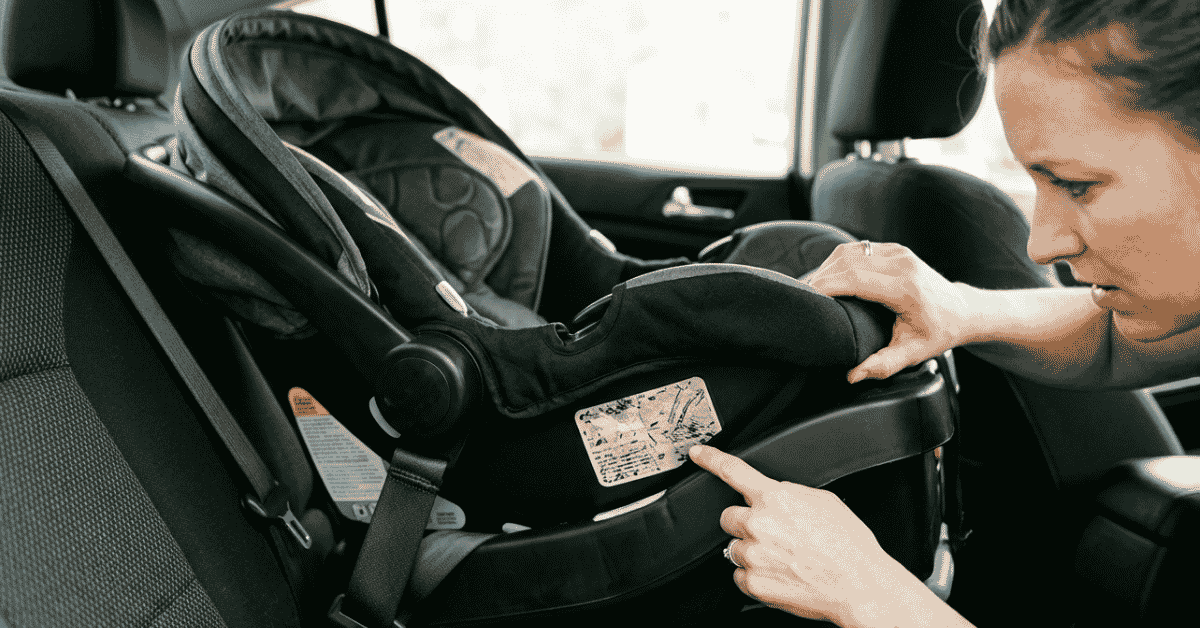
Finding expiration details is often easier than parents expect. Most seats include identifying information directly on the product. The challenge is knowing where to look.
I once spent several minutes checking fabric covers before realizing the information sat on the plastic shell the entire time.
Many parents have a similar experience.
Check the Product Label
Important details often include:
- Manufacture date
- Model number
- Serial number
- Product information
Read the label carefully.
Common Label Locations
Look in these areas:
- Back panel
- Bottom shell
- Side sections
- Base area
Locations vary by model.
Review the Owner Manual
The manual often explains:
- Product lifespan
- Expiration guidance
- Usage recommendations
- Safety information
Many answers appear there.
Save Product Information
Keep records of:
- Purchase date
- Product photos
- Serial numbers
- Registration details
Organization helps later.
Contact Support for Clarification
Customer service may assist with:
- Model identification
- Lifespan verification
- Product information
- Replacement guidance
Support can provide valuable assistance.
Why Do Infant Car Seats Expire?
Many parents struggle to understand why a car seat has a lifespan. The explanation involves much more than appearance. Child restraints face years of environmental stress and everyday wear.
A friend once asked why a perfectly clean car seat needed replacement. The answer became clearer after reviewing how these products age.
Looks can be deceiving.
Plastic Components Age
Plastic changes over time.
Factors include:
- Heat exposure
- Temperature cycles
- Sunlight
- Material fatigue
Changes may not be visible.
Daily Wear Accumulates
Routine use affects every component.
Examples include:
- Harness adjustments
- Buckle operation
- Seat transfers
- Child movement
Small amounts of wear add up.
Safety Standards Change
Child passenger safety evolves regularly.
Updates may involve:
- Testing procedures
- Engineering improvements
- New requirements
- Product enhancements
Older designs may not reflect current practices.
Environmental Exposure Matters
Vehicles create challenging conditions.
Potential factors include:
- Heat
- Cold
- Humidity
- Sunlight
Repeated exposure influences materials.
Replacement Parts Become Limited
Over time, replacement components may become harder to obtain.
Examples include:
- Buckles
- Harnesses
- Covers
- Padding
Availability affects long-term usability.
Crash History May Affect Use
Past accidents deserve consideration.
Review manufacturer guidance regarding:
- Minor crashes
- Significant impacts
- Inspection recommendations
- Replacement needs
Safety comes first.
What Should Parents Do When a Britax Infant Car Seat Reaches the End of Its Lifespan?
Learning that a car seat has expired can feel disappointing. Many seats still appear functional. Yet expiration guidance exists for important reasons.
A neighbor once discovered her carefully stored seat had reached its lifespan months earlier. Fortunately, she checked before using it.
That simple step mattered.
Stop Using Expired Seats
Manufacturers generally recommend discontinuing use after expiration.
Reasons include:
- Material aging
- Unknown wear
- Reduced confidence
- Updated standards
Replacement helps support safety.
Purchase a Suitable Replacement
Evaluate current needs carefully.
Consider:
- Child age
- Height
- Weight
- Vehicle compatibility
The replacement should fit both child and vehicle.
Remove Personal Information
Before disposal, remove labels containing:
- Registration details
- Personal information
- Ownership records
- Contact information
Privacy remains important.
Explore Disposal Options
Possible solutions include:
- Recycling programs
- Collection events
- Waste management services
- Local disposal options
Check community guidelines.
Avoid Passing Along Expired Seats
Expired seats should not be:
- Donated
- Sold
- Shared
- Listed online
Future users may not understand the risks.
Register New Products
Registration provides useful benefits.
Parents may receive:
- Recall notices
- Safety updates
- Product information
- Manufacturer communication
The process requires little time.
Create Future Reminders
Technology simplifies tracking.
Helpful tools include:
- Calendar alerts
- Phone reminders
- Family records
- Digital notes
Planning ahead prevents surprises.
Inspect Seats Regularly
Routine inspections help maintain awareness.
Review:
- Labels
- Wear signs
- Missing parts
- Product condition
Regular checks support safer decisions.
How long is a Britax infant car seat good for? The answer depends on the specific model and its assigned lifespan. While many infant seats remain usable for several years, parents should always verify the information directly on the product label and in the owner manual. Factors such as material aging, environmental exposure, daily wear, and changing safety standards all influence lifespan recommendations. Taking the time to check expiration information helps families make informed choices and supports safer travel for children during every stage of growth.
Frequently Asked Questions
How long is a Britax infant car seat good for?
The lifespan varies by model. Check the product label and owner manual for the specific expiration period assigned to your seat.
Where can I find the expiration information on a Britax infant car seat?
Look on the product label, usually found on the side, back, bottom, or base section of the seat.
Can I use a Britax infant car seat after it expires?
Manufacturers generally recommend replacing expired seats because aging materials and changing standards may affect performance.
Does an unused Britax infant car seat still expire?
Yes. Materials continue to age over time, even when a seat remains stored and is not used regularly.
Should I donate a Britax infant car seat after it expires?
No. Expired seats should not be sold, donated, or given away because they may no longer meet intended safety expectations.