
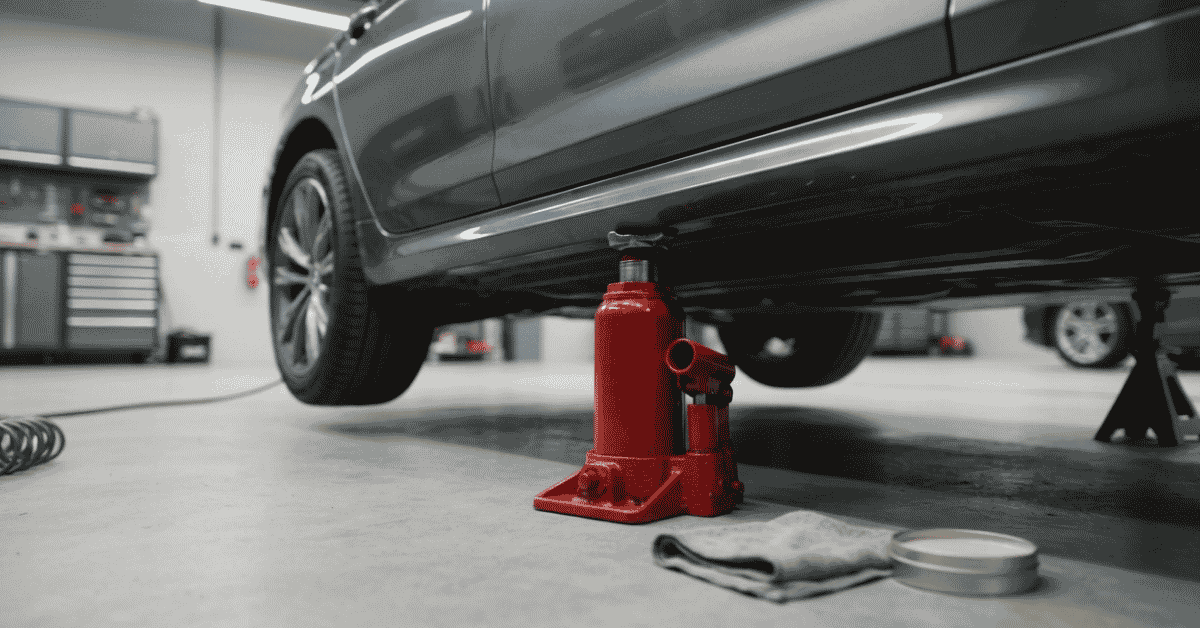
Jack Tool for Car basics help drivers lift a vehicle for tire work, wheel checks, and roadside needs with safer setup and less stress.
Jack Tool for Car gear looks simple at first. I used to see it as one dull trunk item. Then a flat tire changed that view fast. The metal felt cold, traffic sounded too close, and my hands shook. A good jack helped, but setup mattered more. This guide covers types, safe use, fit, and small habits. Learn the basics now, before you need them.
Can a Jack Tool for Car Really Make Tire Work Easier?
A Jack Tool for Car once felt almost foolproof. Place it under the car, lift, and swap tires.
That thought changed beside a busy road one evening. My tire looked low and sad against the pavement.
The air smelled like hot rubber and dust. Cars rushed past with a sharp hiss.
I pulled the jack from the trunk. Its handle felt cold and slightly oily.
Then I saw the ground had a slight slope. That made me stop right away.
I moved the car to a flatter area. The whole job felt calmer after that.
The jack worked as expected. Still, the tool alone did not make things safe.
Good ground, correct placement, and slow steps made the real difference.
Life Before I Found This
My old trunk setup was a mess. The jack sat under bags, cables, and dusty cloths.
I rarely checked if all parts were there. I just assumed they would be.
One day, the crank handle was missing. I had moved it months before.
The spare tire smelled like warm rubber. A loose wrench rolled across the trunk floor.
That sound made my stress worse somehow. Small roadside problems can feel huge quite fast.
I learned to keep the full kit together. The jack, handle, wrench, gloves, and light stay close now.
That simple order changed my whole routine. I waste less time when something goes wrong.
Why This Matters Right Now
Drivers still deal with flat tires every day. Nails, potholes, road debris, and worn rubber can cause trouble.
Many modern cars also sit quite low. That can affect which jack fits underneath.
Vehicle weight matters too. A small jack may not suit a larger SUV.
A Jack Tool for Car should match both size and load. Lift range should also suit the vehicle.
Some cars have clear factory jack points. Using random metal areas can cause damage.
Ground type matters just as much. Soft dirt may let a jack sink or lean.
I treat the jack as part of a system. The car, road, ground, and tool all need attention.
That mindset feels much safer than rushing.
The First Big Lesson
My first big lesson was about jack points. I once thought any strong metal spot would work.
That was a bad idea.
Cars often have set places made for lifting. Those areas can take load without bending nearby parts.
I learned this after hearing one small creak. The sound was faint, but it felt wrong.
I lowered the car and checked the guide. The proper point sat only a short distance away.
That tiny gap mattered a lot. I never guess at lift points now.
I also check the jack pad itself. It should sit flat and firm under the approved area.
The jack should rise straight, not lean sideways. Any shift makes me stop.
A safe lift starts before the handle moves. Placement is the real first step.
Small Tactics That Actually Work
I use the same order every time. First, I park on firm and level ground.
The parking brake goes on next. I keep the car in park or in gear.
Then I place wheel chocks if available. That helps stop unwanted rolling.
I loosen the wheel nuts before lifting. Only a small turn is needed at first.
Then I place the jack correctly. I raise the car slowly and watch the contact point.
I never crawl under a car on the jack alone. Proper stands are needed for work beneath it.
I also keep gloves in my trunk. Rough metal and hot pavement can hurt fast.
A headlamp helps at night. Free hands make the job much easier.
After lowering, I tighten the wheel nuts again with care.
A Strange Detail I Noticed
One strange detail still catches my attention. A jack often tells you trouble through sound.
A normal lift can make small clicks or light metal sounds.
A scrape feels different. A sudden creak feels even worse.
Those sounds make me stop and inspect the setup. I do not push through odd noise.
The handle feel can tell me things too. Smooth resistance usually feels normal.
A sudden soft drop does not. I guess my hands notice changes before my brain does.
Ground noise matters as well. Gravel shifts with a dry crunch under pressure.
That sound makes me nervous. Firm pavement feels much more stable and calm.
Safe lifting uses ears and hands too.
Style Comparison & Data
Different jack styles fit different vehicles and repair needs. I compare them by size, speed, and strength.
| Jack Type | Best Use | Main Benefit |
|---|---|---|
| Scissor jack | Roadside tire work | Small and compact |
| Floor jack | Home garage use | Fast, smooth lifting |
| Bottle jack | Trucks and SUVs | High lift force |
| Low-profile jack | Low cars | Better ground access |
| Electric jack | Easy roadside lift | Less hand effort |
No one jack fits every car. I use a compact jack for road use.
A floor jack feels better in the garage. It rolls easily and gives smoother control.
The best pick depends on actual vehicle needs.
Non-Obvious Gains
A good Jack Tool for Car offers more than lifting. Some benefits only show up after real use.
-
Less panic: Tire trouble feels more manageable.
-
Better prep: Missing parts get spotted before emergencies.
-
More control: Proper gear reduces rushed, unsafe moves.
-
Cleaner habits: Safe lifting builds better car-care routines.
-
Better judgment: You learn which jobs need more support.
That last gain matters most to me. A jack can help with simple tire work.
It also teaches limits. Some jobs need stands, shop space, or a trained tech.
Knowing that line is useful.
Myths vs. My Reality
I used to think all jacks were basically the same. But then lift height changed what fit my car.
I used to think a larger jack was always safer. But then load ratings mattered more.
I used to think speed was the goal. But then a rushed setup felt far less stable.
I used to think a jack could support repairs below the car. But then I learned proper stands are required.
I also thought flat ground was optional. That idea changed after one slight slope.
Even a mild lean made the car feel uneasy. The jack looked straight, yet the setup felt wrong.
Now I focus on the whole setup. Ground, load, position, and support all matter together.
That view feels much more complete.
Essential Principles for Mastery
My Jack Tool for Car routine has four parts: inspect, place, lift, and secure.
Inspect means checking the jack before each use. I look for bent parts, leaks, rust, and missing pieces.
Place means finding the approved vehicle lift point. I also confirm the ground is firm and level.
Lift means raising the car slowly. I watch both jack angle and vehicle movement.
I stop if anything shifts unexpectedly. Small movement can signal a poor setup.
Secure means adding proper support when needed. Jack stands should hold the car during under-body work.
I also use wheel chocks for extra control. The car should not roll during lifting.
Weight rating matters every time. I never use a jack beyond its stated limit.
After use, I wipe the jack clean. Dry storage helps keep rust away.
That routine makes each lift feel far calmer.
FAQs About Jack Tool for Car
What is a Jack Tool for Car used for?
A Jack Tool for Car lifts part of a vehicle for tire changes, wheel access, and some service tasks. It should rest on firm ground and contact the approved lifting point before any weight is raised.
Which Jack Tool for Car is best for beginners?
A factory scissor jack can work for roadside tire changes. A floor jack is easier for many home garage jobs. I would match the jack to vehicle weight, ground clearance, and normal use.
Can I work under a car supported by a jack?
No, I would never trust a jack alone for under-car work. A jack is made to lift. Proper jack stands should support the vehicle before any part of your body goes underneath.
Where should I place the jack under my car?
I use only the lift points listed by the vehicle maker. These areas are designed to carry the load. Random body panels or thin metal edges may bend, slip, or suffer damage.
Should I keep a Jack Tool for Car in my trunk?
Yes, I like keeping a working jack with the spare tire. I also keep the handle, wheel wrench, gloves, chocks, and a light nearby. I check the kit now and then for missing parts.
My Final Takeaway
A Jack Tool for Car is basic gear with serious work. I trust slow setup more than fast lifting.
Use firm, flat ground and the right lift point. Check weight limits before putting load on the jack.
Keep proper support gear for work underneath. Store the full kit together after each use.
A few calm steps can make roadside tire work safer. That small bit of prep is worth doing.