
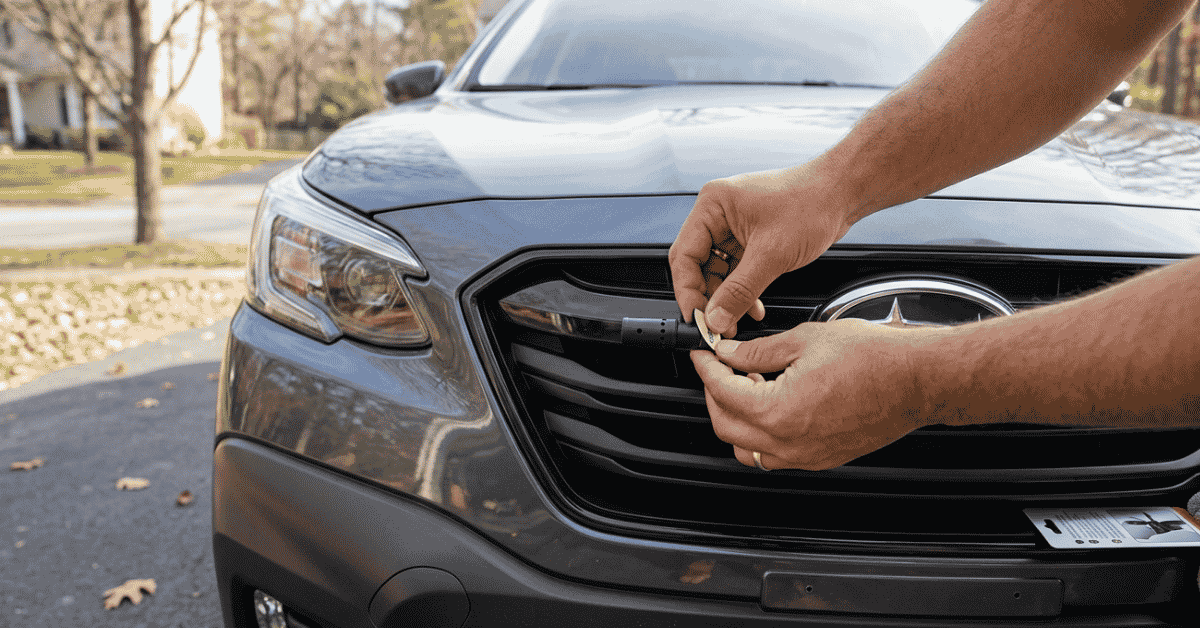
How to Install a Deer Whistle on Your Car can feel tricky at first. I once thought it would take minutes. Then I saw how much small fit details matter. A deer whistle needs a clear spot and firm hold. It also needs good care after you mount it. In this guide, I’ll walk through each step. You’ll learn what to check, where to mount it, and what to avoid. Let’s make the job feel simple.
What a Deer Whistle Does
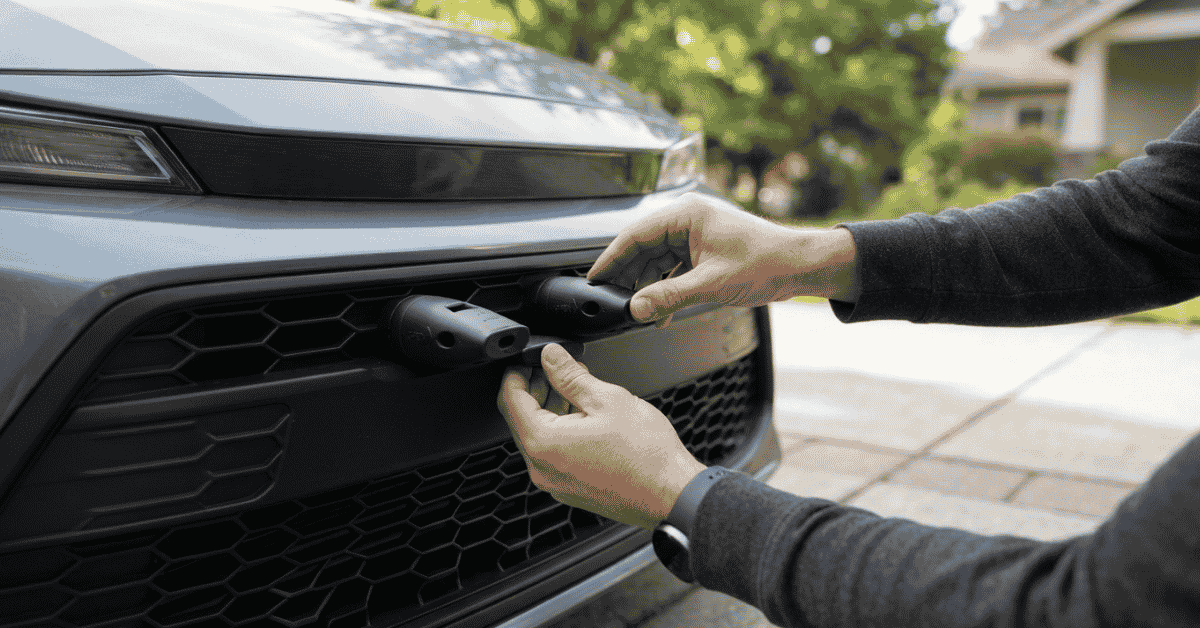
A deer whistle is a small device that mounts on a car. It aims to make a high sound as air moves through it.
The goal is simple. The sound may alert deer as your car moves.
Still, I would not treat it as a safety fix. Deer can act in ways that are hard to guess. A whistle cannot stop a crash.
I see it as one small part of safe road use.
Why Mounting Spot Matters
Air must flow through the whistle. A poor spot may block that flow.
The device also needs to stay clear of dirt and road grit.
What It Can and Cannot Do
A deer whistle does not give you more time to react in every case.
I still scan the road, slow down near deer zones, and stay alert at dusk.
That part matters far more than any small add-on.
Tools I Like to Have
Most deer whistle kits need few tools. The exact parts vary by model.
Before I start, I set them all on a clean cloth.
Here is my basic kit:
- Deer whistle
- Clean cloth
- Mild soap and water
- Rubbing alcohol
- Dry towel
- Tape measure
- Marker
- Mounting tape or screws
- Small screwdriver, if needed
I also read the maker’s guide first.
Some kits use a clamp. Others use sticky pads. Some need screws.
That small check can save a lot of fuss.
Where Should You Mount It?
This is the part I would not rush.
The whistle needs steady air flow. It should face forward as the car moves.
I look for a smooth area near the front of the car.
Good spots may include:
- A front bumper surface
- A grille area with clear air flow
- A firm lower front trim piece
I avoid spots that sit behind solid panels.
I also avoid areas near moving parts.
Keep It Clear
Do not place the whistle where a grille bar blocks its mouth.
Do not hide it under thick trim.
Do not place it where mud can pack into the air path.
A clean air path helps the device work as made.
Check the Car First
Before you stick or screw anything down, check the space.
Open the hood if needed. Look behind the spot.
Make sure you will not hit wires, lines, clips, or key parts.
That quick check takes less than a minute.
It can also stop a costly mistake.
How to Install a Deer Whistle on Your Car
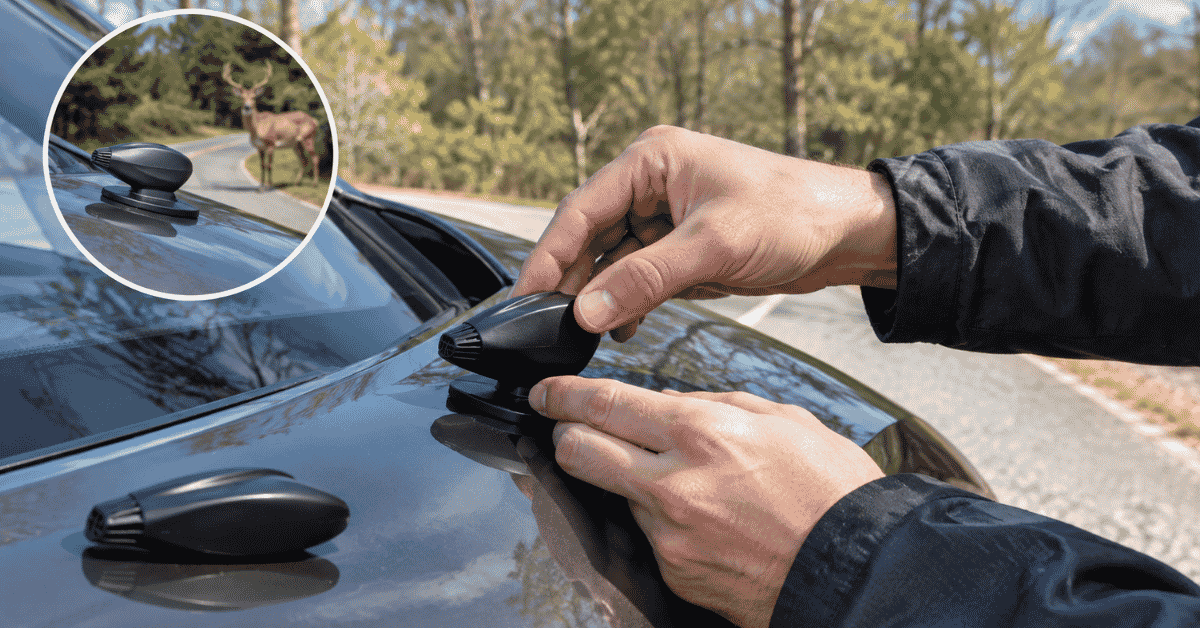
Now comes the main job.
I use a slow, clean process. It gives the best chance of a firm mount.
Step 1 Clean the Area
Wash the spot with mild soap and water.
Dry it well with a clean towel.
Then wipe the area with a bit of rubbing alcohol.
Let it dry fully.
Do not mount the whistle on dust or wax.
A dirty surface can make the mount fail fast.
Step 2 Test the Position
Hold the whistle in the spot first.
Face its air opening toward the front.
Step back and check the fit.
I also check if the part may rub on trim.
If it looks tight, move it to a better spot.
Step 3 Mark the Spot
Use a small piece of tape to mark the place.
You do not need a large mark.
The goal is to keep the final mount straight.
This step feels minor. Yet it helps a lot.
Step 4 Attach the Whistle
If your kit uses adhesive, peel off the backing.
Press the whistle down with firm, even force.
Hold it in place for the time listed by the maker.
If your kit uses screws, use the right bit.
Do not drill into a spot without checking what sits behind it.
Step 5 Let the Mount Set
This is where I used to get impatient.
I learned to leave it alone.
Adhesive needs time to bond.
Do not wash the car or pull on the whistle right away.
Follow the kit’s cure time.
Adhesive vs Screw Mounts
Both mount types can work well.
The better choice depends on the car and the kit.
| Feature | Adhesive Mount | Screw Mount |
|---|---|---|
| Install time | Fast | Slower |
| Tools needed | Few | More |
| Body holes | None | May need holes |
| Removal | Usually easy | Less easy |
| Surface need | Very clean | Firm mounting point |
| Main risk | Loose bond | Wrong drill spot |
I tend to favor adhesive when the kit allows it.
It avoids drilling into the car.
Still, a screw mount may suit some setups better.
The key is to follow the kit’s own instructions.
Common Deer Whistle Install Mistakes
A few small errors can make the job less useful.
I keep these points in mind each time.
Mounting It Too Far Back
A whistle tucked deep behind trim may not get clean air.
That can affect its air path.
Using a Dirty Surface
Dust, wax, and oil can weaken adhesive.
A clean surface gives it a better chance to hold.
Blocking the Air Opening
This one is easy to miss.
Trim or grille bars can sit right in front of the opening.
Always check the front view.
Skipping a Final Check
After the mount sets, inspect it again.
Make sure it sits firm.
Make sure the opening stays clear.
Also check that it does not touch loose trim.
How I Check the Whistle After Installation
I do not judge the setup by sight alone.
I check it after the first few drives.
Look for:
- Loose edges
- New gaps
- Dirt in the air path
- Cracks
- A change in its position
If the whistle shifts, stop and fix the mount.
Do not assume it will stay in place.
I also check it after a car wash.
High water flow can test weak adhesive.
Does a Deer Whistle Make Driving Safe?
This is where I think clear facts matter.
A deer whistle should not replace safe driving habits.
Research on whether vehicle-mounted deer whistles reduce deer crashes has not established a reliable safety effect. So I would not depend on one as a proven crash-prevention tool.
Instead, I use basic road habits.
When driving in deer areas, I:
- Slow down when signs warn of deer.
- Watch both road edges.
- Scan well ahead.
- Stay alert near dawn and dusk.
- Use high beams when safe and legal.
- Brake in a controlled way when needed.
If a deer appears, sudden swerves can create another risk.
The safest response depends on the road and traffic around you.
Quick Install Checklist
Before I call the job done, I run through this list.
Mount check
- Is the whistle firm?
- Does it face forward?
- Is its opening clear?
- Is the surface clean?
- Is it away from moving parts?
- Did the adhesive get enough cure time?
Road check
- Did the mount stay in place?
- Did dirt block the opening?
- Does the whistle look cracked?
- Does it need a fresh mount?
This takes little time.
Yet it can catch small issues early.
FAQs About Deer Whistle Installation
Where is the best place to put a deer whistle on a car?
Use a firm front area with clear air flow. Avoid blocked spots and moving parts. Learn more about safe car setup.
Can I use adhesive to mount a deer whistle?
Yes, if the kit allows it. Clean the surface first, then let the bond set. Learn more about proper mounting care.
Should a deer whistle face forward?
Yes, the air opening should face into the moving air. Check the maker’s guide too. Learn more about fit and care.
Can a deer whistle prevent a deer crash?
No device can promise that. Use it only as an extra aid, not as your main safety step. Learn more about deer road safety.
How often should I check a deer whistle?
Check it after washes and long trips. Look for dirt, cracks, or loose mounts. Learn more about simple car checks.
Final Takeaway
I like small car jobs that do not need much gear. Installing a deer whistle is one of them. The key is a clean surface, clear air path, and firm mount. I would never trust the whistle alone. Safe speed and sharp road checks still matter most. As the fading light slips across the dash, I hear the soft sound of my keyboard. That reminds me to keep safety simple, calm, and real.