
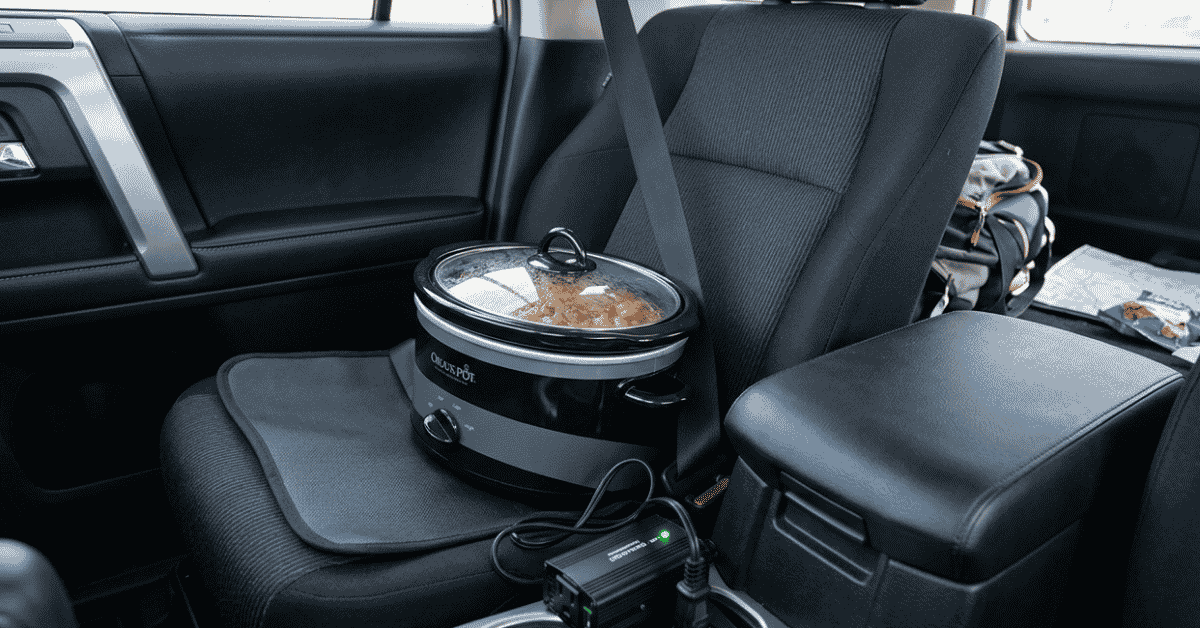
Crock pot plug into car solutions let travelers enjoy warm meals on the road. Learn how they work, safety tips, and the best uses.
Last autumn, I spent nearly eight hours driving across two states. Fast food sounded good at first. By hour six, not so much.
That trip sparked my interest in portable cooking options for vehicles. Many travelers search for ways to keep meals warm during long drives, camping trips, or work routes. A crock pot plug into car setup can provide added convenience when used correctly. Still, power requirements, safety concerns, and vehicle compatibility matter more than many people realize.
Can a Crock Pot Plug Into Car Actually Work?
The short answer is yes, but with limitations. Traditional crock pots usually require standard household power. Most vehicles provide 12-volt outlets rather than regular wall outlets.
That difference creates the main challenge. A standard slow cooker often draws more power than a vehicle outlet can safely supply.
Many travelers solve this issue using specially designed portable food warmers, low-wattage travel cookers, or power inverters. Choosing the correct equipment makes a major difference.
Understanding power requirements helps avoid frustration and potential electrical issues.
Common Power Options
Travelers often use:
- 12-volt food warmers
- Portable travel ovens
- Vehicle power inverters
- Low-wattage cookers
Each solution offers different capabilities.
Quick Comparison
| Option | Typical Use |
|---|---|
| Standard crock pot | Home cooking |
| 12V food warmer | Vehicle use |
| Portable oven | Travel meals |
| Power inverter setup | Expanded appliance support |
Not all options provide the same performance.
Why Travelers Consider Them
Popular reasons include:
- Long road trips
- Truck driving routes
- Camping adventures
- Family travel
- Work-related driving
Warm meals often improve comfort during extended travel.
How Does a Crock Pot Plug Into Car Setup Work?
Most vehicle cooking setups rely on one of two approaches. The first uses a dedicated 12-volt appliance designed specifically for automotive power systems.
The second uses a power inverter. An inverter converts vehicle battery power into household-style electricity that some appliances can use.
Both methods have advantages and limitations.
Choosing the right solution depends on your equipment and travel habits.
Understanding Vehicle Power
Most vehicles offer:
- 12-volt outlets
- Limited wattage capacity
- Battery-powered electrical systems
Exceeding power limits can create problems.
Using a Power Inverter
An inverter typically:
- Connects to vehicle power.
- Converts electricity.
- Powers compatible devices.
Capacity matters greatly.
Always verify:
- Appliance wattage
- Inverter rating
- Vehicle limitations
Dedicated Travel Food Warmers
Many travelers prefer specialized products because they:
- Require less power
- Operate more efficiently
- Reduce electrical concerns
Purpose-built equipment often performs better in vehicles.
Common Travel Meals
Popular choices include:
- Chili
- Soup
- Pulled chicken
- Pasta dishes
- Rice meals
Simple recipes usually travel best.
Safety Tips Every Driver Should Follow
Convenience should never outweigh safety. Cooking or heating food inside a vehicle requires careful planning.
Many problems occur because users underestimate electrical requirements or fail to secure equipment properly.
A few precautions can reduce risk significantly.
Check Power Requirements First
Always review:
- Appliance wattage
- Outlet capacity
- Inverter specifications
Electrical compatibility remains essential.
Secure Equipment Properly
Moving appliances create hazards.
Helpful precautions include:
- Stable placement
- Spill prevention
- Secure containers
- Proper ventilation
Movement during driving can increase risks.
Protect Vehicle Batteries
Excessive power use may affect battery performance.
Good habits include:
- Running the engine when required
- Monitoring battery condition
- Avoiding prolonged use when parked
Battery health matters during long trips.
Food Safety Considerations
Maintain safe temperatures.
Key practices:
- Use insulated containers
- Avoid extended cooling periods
- Follow food safety guidelines
Proper food handling remains important.
Best Alternatives to Traditional Crock Pots for Vehicle Use
Many people searching for a crock pot plug into car solution discover better alternatives during research. Modern travel appliances often deliver greater convenience and efficiency.
In many cases, a dedicated vehicle-friendly cooker performs better than adapting a traditional slow cooker.
The right tool depends on your travel style.
12-Volt Food Warmers
Popular benefits include:
- Designed for vehicles
- Lower power demands
- Easy operation
These products remain among the most practical choices.
Portable Travel Ovens
Travel ovens often support:
- Meal reheating
- Prepared foods
- Lunch containers
Many commuters appreciate their convenience.
Insulated Food Containers
Sometimes the simplest solution works best.
Benefits include:
- No electricity needed
- Easy transport
- Reliable heat retention
Quality thermal containers can keep meals warm for hours.
Alternative Comparison
| Option | Vehicle Friendly |
|---|---|
| Standard crock pot | Limited |
| 12V warmer | Excellent |
| Travel oven | Excellent |
| Thermal container | Excellent |
| Large home slow cooker | Poor |
Vehicle-specific solutions usually provide better results.
Buying Checklist
Consider:
- Power requirements
- Travel frequency
- Meal type
- Vehicle compatibility
- Safety features
Careful planning leads to better outcomes.
A crock pot plug into car setup can work under the right conditions, but success depends on choosing appropriate equipment and understanding vehicle power limitations. For many travelers, dedicated 12-volt warmers or portable travel ovens offer safer and more practical alternatives. With the right approach, enjoying a warm meal on the road becomes much easier.
Frequently Asked Questions
Can a regular crock pot plug into a car outlet?
Usually not. Most traditional crock pots require more power than a standard vehicle outlet can safely provide without an inverter.
Do I need a power inverter for a crock pot in a car?
In many cases, yes. A compatible inverter may be necessary if using a household slow cooker during travel.
Are 12-volt food warmers better than crock pots for vehicles?
Often yes. They are designed specifically for automotive power systems and generally operate more efficiently in vehicles.
Can using a crock pot drain a car battery?
Yes. Extended use without proper power management may affect battery performance, especially when the engine is not running.
What foods work best in vehicle food warmers?
Soups, chili, pasta dishes, rice meals, and prepared leftovers typically heat well and travel safely when stored properly.