Car Brake Piston Tool basics made simple with safe use tips, tool types, brake service steps, fit advice, and common mistakes to avoid.
Car Brake Piston Tool gear once looked oddly specialized. Then one brake job changed my mind rather quickly. The piston refused to move with hand pressure alone. My gloves smelled like rubber and warm brake dust. I learned that proper tools save time and frustration. This guide shares those lessons in plain, useful terms.
Is a Car Brake Piston Tool Really Necessary?
I asked myself this during my first pad change. The old pads came out without much trouble. Then the new pads refused to fit inside.
The caliper piston still sat too far outward. I tried gentle hand pressure without much success. My fingers slipped against the smooth metal surface.
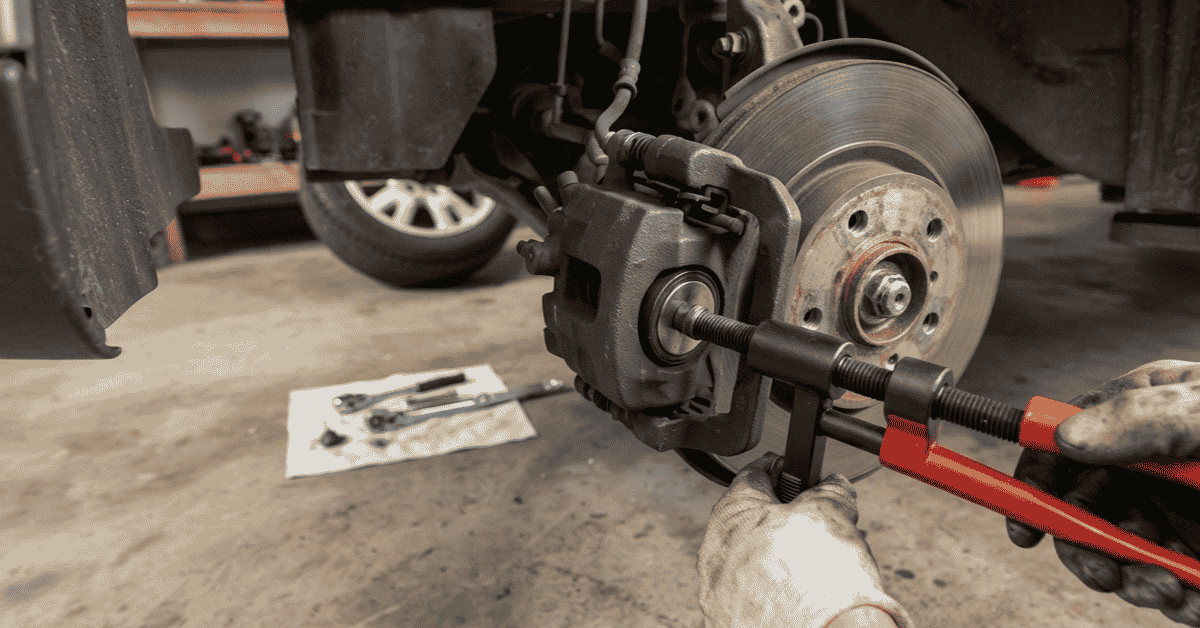
That small delay became thirty annoying minutes fast. I finally used a proper piston compression tool. The piston moved back with slow, steady pressure.
That moment made the tool seem much less optional. Some brake jobs need simple piston compression. Other rear brakes need pistons turned while pushed inward.
A correct tool makes both jobs far more controlled.
Life Before I Found This
My early brake work involved too much improvisation. I used old clamps and whatever tools seemed close.
The garage smelled like metal, dust, and cold concrete. A socket rolled beneath the car every few minutes. Brake cleaner hissed beside an open cardboard box.
I worried about scratching the piston or boot. That fear made each small move painfully slow.
Improvised tools also slipped at the worst times. One sudden shift could damage parts or fingers.
I guess the chaos taught me something useful. Brake work feels better with tools made for it.
Why This Matters Right Now
Many drivers keep cars longer than they once did. That means routine brake work becomes more common eventually.
Brake pads wear down through normal daily driving. Their wear lets caliper pistons move farther outward. New thicker pads need that space pushed back again.
Some rear brake systems add another small challenge. Their pistons may need rotation during the reset.
Electronic parking brakes can add even more steps. Certain vehicles need service mode before brake work begins.
That makes correct tool choice more important today. A simple clamp may not suit every caliper design.
Good preparation can prevent damaged boots and costly mistakes.
The First Big Lesson
My biggest lesson was learning piston types first. Not every brake piston moves back the same way.
Front calipers often use pistons that press straight inward. A compression tool can work well there.
Some rear pistons need turning and inward pressure together. Their faces may have small slots or notches.
A wind-back tool fits those notches during rotation. That setup gives much better control than pliers.
I also check parking brake design before starting. Electronic systems may need special service steps beforehand.
Forcing the wrong piston can damage the mechanism. I never assume all four brakes use identical methods.
The tool should match the brake system exactly. That rule saves far more time than guessing.
Small Tactics That Actually Work
I inspect the caliper before choosing any tool. The piston face usually gives useful clues immediately.
A smooth face often suggests straight compression. Slots can suggest a twist-back design instead.
I clean loose brake dust before applying pressure. Dirt near the boot makes careful work harder.
I also open the brake fluid reservoir carefully. Pushing pistons back can raise fluid level there. An overfilled reservoir may spill during compression.
Slow pressure works better than sudden heavy force. I watch the rubber boot throughout the process.
Any twisting or pinching makes me stop immediately. I also support the caliper instead of hanging it.
A wire hook keeps strain off the brake hose.
A Strange Detail I Noticed
Brake pistons can move almost too smoothly sometimes. That first smooth movement surprised me during one service.
The tool handle felt firm for several turns. Then resistance dropped as the piston moved inward.
A faint metallic creak came from the caliper. Brake dust left a dry smell in the air.
That sound made me stop and inspect everything. Nothing looked damaged, so I continued very slowly.
The experience taught me to trust feel carefully. Sudden resistance changes deserve attention during brake work.
Maybe tools communicate more through touch than expected. Slow hands notice problems before rushed hands usually do.
Style Comparison & Data
Different tools suit different brake piston designs. I use this chart before starting most brake jobs.
| Tool Type | Best Use | Main Benefit |
|---|---|---|
| Piston spreader | Straight pistons | Even pressure |
| C-clamp | Basic compression | Cheap option |
| Wind-back kit | Rear twist pistons | Pushes and turns |
| Disc brake cube | Some rear calipers | Compact design |
| Service tool set | Mixed vehicles | More adapter choices |
The vehicle design should decide your final choice. One universal tool rarely fits every brake system.
Non-Obvious Gains
A proper Car Brake Piston Tool offers hidden benefits. I noticed these gains after several brake jobs.
-
Even pressure can reduce piston and boot damage.
-
Better control makes pad installation less frustrating.
-
Correct adapters reduce slips during rear brake work.
-
Slow compression gives fluid time to move safely.
-
Proper tools keep hands farther from pinch points.
-
A kit can cover several different vehicle designs.
-
Cleaner tool contact leaves fewer marks on parts.
-
Good control makes inspection easier during piston movement.
Those small gains make brake work feel more deliberate.
Myths vs. My Reality
I used to think every piston simply pushed inward. Then rear calipers taught me something very different.
I used to think pliers worked fine for rotation. Then scratched piston faces changed my opinion fast.
I used to think more force meant faster progress. Then a stubborn piston made me stop completely.
I used to think any clamp could handle everything. Then awkward caliper shapes made that idea useless.
I also thought resistance always meant a stuck piston. Sometimes the tool angle was simply wrong instead.
Brake service rewards careful checks before extra force. I now stop whenever movement feels strange.
That pause has prevented several bad decisions. Patience costs far less than replacement calipers.
Essential Principles for Mastery
I follow five rules with any piston tool. First, identify the caliper type before touching anything.
Second, confirm parking brake design and service steps. Electronic systems may require a specific service mode.
Third, place pressure evenly across the piston face. Crooked pressure can bind the piston during movement.
Fourth, watch brake fluid level during compression. Rising fluid can overflow an already full reservoir.
Fifth, protect the piston boot throughout the job. Cuts or pinches can let dirt and moisture inside.
I also inspect slide pins while brakes are apart. Uneven pad wear can point toward sticking hardware.
Any seized piston deserves more than extra tool force. Corrosion or internal damage may need repair.
I never rush brake work near the finish. Careful reassembly matters just as much as compression.
FAQs About Car Brake Piston Tool
Can I change brake pads without this tool?
Some pistons may compress with other proper tools. A dedicated piston tool usually gives better control and pressure. Rear twist pistons often need a matching wind-back tool or adapter.
Does every rear brake piston need twisting?
No, rear brake designs vary between vehicles. Some press straight inward, while others rotate during compression. I always inspect the piston and service information before applying force.
Can a C-clamp replace a piston compression tool?
A C-clamp can work on some straight pistons. Space, piston shape, and caliper design still matter. A proper spreader often applies pressure more evenly and feels easier to control.
Why will my brake piston not push back?
Corrosion, incorrect tool placement, or caliper design can cause resistance. A twist-back piston also will not compress correctly by straight force. I stop before applying extreme pressure.
Can piston tools damage brake calipers?
Incorrect use can damage pistons, boots, or parking brake parts. I use the proper adapter, slow pressure, and correct service steps. Any unusual resistance makes me inspect the setup again.
My Final Takeaway
A Car Brake Piston Tool looks simple at first. Its real value appears when brake parts fight back.
I like tools that turn force into steady control. Brake work needs that calm approach more than speed.
Match the tool with the piston design first. Watch the boot, fluid level, and movement closely.
Maybe the job still gets dirty and awkward. Proper gear makes that mess much easier to manage.