
safety first car seat expiration date information helps parents make smarter safety decisions. Learn how to find it and why it matters.
Safety First car seat expiration date became a topic I researched after helping a neighbor prepare for her second child. She pulled an old car seat from storage that looked almost perfect. The fabric was clean. The buckles worked. Nothing seemed wrong. Then we checked the label. That small date changed everything. Many parents assume a car seat remains safe as long as it looks good. The reality is different. This guide explains why car seats expire, how to locate expiration information, and what steps parents should take when a seat reaches the end of its usable life.
Is the Safety First Car Seat Expiration Date Really Important?
Many parents feel surprised when they hear that car seats expire. The idea sounds strange at first. After all, a car seat is not a food product. It does not spoil or suddenly stop working overnight.
Still, manufacturers establish expiration periods for important reasons. Child restraints face years of heat, sunlight, wear, and repeated stress. Safety standards also change over time. The expiration date helps families determine whether a seat still falls within its intended lifespan.
When I first learned this, I assumed it was mostly about company policy. The more I researched, the more I understood the safety reasons behind it.
Why Car Seats Expire
Several factors influence expiration periods.
These include:
- Plastic aging
- Material fatigue
- Daily wear
- Environmental exposure
- Safety updates
Each factor may affect long-term performance.
Typical Lifespan Comparison
| Car Seat Type | Common Lifespan |
|---|---|
| Infant Seat | 6 to 9 years |
| Convertible Seat | 7 to 10 years |
| Booster Seat | 6 to 10 years |
| All-in-One Seat | 8 to 10 years |
Always verify the specific model details.
Hidden Damage May Exist
Not all wear appears on the surface.
Possible concerns include:
- Internal stress
- Plastic weakening
- Heat-related deterioration
- Structural fatigue
Visual inspection alone may not reveal these issues.
Safety Standards Continue to Evolve
Child passenger safety changes over time.
Manufacturers may introduce:
- Improved testing
- Updated designs
- Better materials
- New safety features
Expiration dates help account for those advancements.
How Can You Find the Safety First Car Seat Expiration Date?
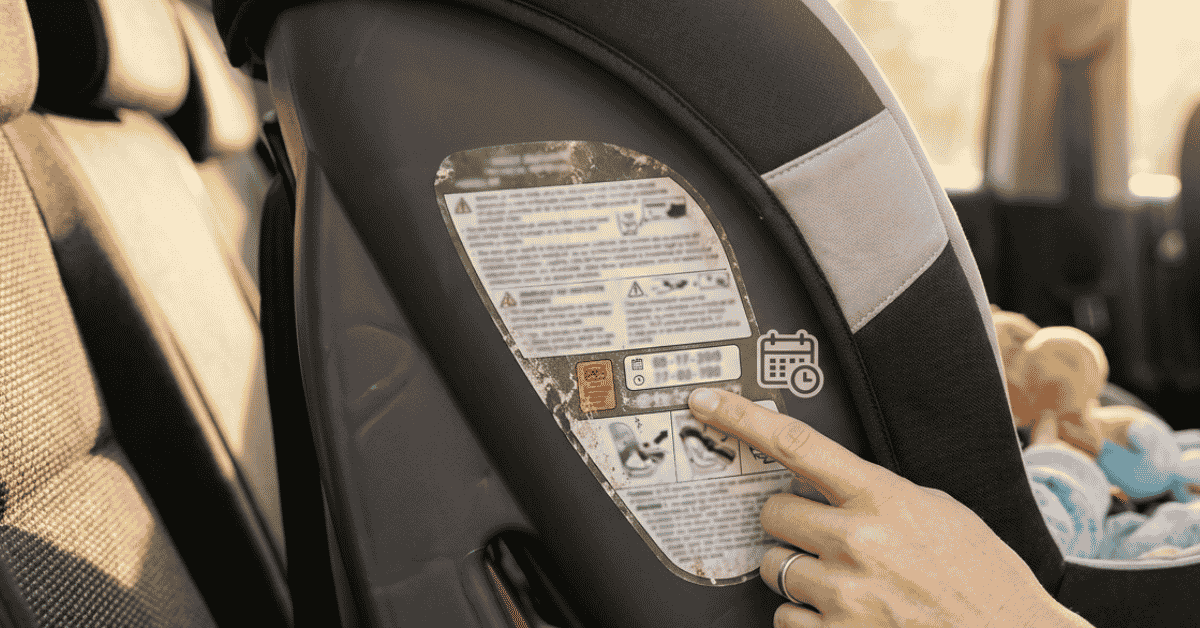
Finding expiration information is usually simple once you know where to look. Most parents spend more time searching than necessary because they check the wrong areas.
I remember helping someone inspect a seat. We looked under cushions and behind straps before finding the information printed directly on the shell.
The answer was there the whole time.
Look for the Product Label
Most labels include:
- Manufacture date
- Model number
- Serial number
- Safety details
Read the label carefully.
Common Label Locations
Check these areas:
- Bottom of the seat
- Back panel
- Side shell
- Base section
Placement varies by model.
Understand the Manufacturing Date
Some products display:
- Expiration date
- Manufacture date
- Usage period information
If only the manufacture date appears, the manual often explains the lifespan.
Keep Product Records
Store important information such as:
- Model number
- Serial number
- Purchase date
- Product photos
This habit makes future checks easier.
Contact Customer Support If Needed
Labels occasionally become difficult to read.
Support representatives may help identify:
- Product age
- Model details
- Applicable lifespan
- Replacement recommendations
Accurate information matters.
Factors That Affect Car Seat Lifespan
Expiration periods reflect real-world conditions. Car seats experience years of use under challenging environments. Understanding those factors helps explain why manufacturers limit usage periods.
A friend once stored a car seat in an attic for several years. The seat looked acceptable, yet extreme temperature changes likely affected the materials.
Storage conditions matter.
Heat Exposure
Vehicles become extremely hot.
Heat may affect:
- Plastic components
- Foam materials
- Fabric integrity
- Structural performance
Repeated exposure adds stress.
Sunlight Exposure
Direct sunlight can contribute to wear.
Possible effects include:
- Fading
- Material breakdown
- Surface damage
- Reduced durability
Protective storage helps reduce exposure.
Daily Use Creates Wear
Routine use affects every car seat.
Examples include:
- Harness adjustments
- Buckle operation
- Installation changes
- Child movement
Small amounts of wear accumulate over time.
Storage Conditions Matter
Proper storage helps preserve condition.
Ideal environments are:
- Dry
- Clean
- Temperature controlled
- Protected from sunlight
Poor storage may accelerate aging.
Vehicle Accidents Can Affect Safety
Crash involvement deserves careful attention.
Review manufacturer guidance regarding:
- Minor collisions
- Moderate crashes
- Severe accidents
- Replacement recommendations
Not all seats should remain in service after a crash.
Missing Parts Create Challenges
Replacement components may become difficult to obtain.
Examples include:
- Harness pads
- Buckles
- Inserts
- Covers
Expiration policies help address long-term support concerns.
What Should You Do After a Safety First Car Seat Expires?
Discovering an expired seat can feel frustrating, especially when the seat still appears usable. Many parents struggle with the idea of replacing expensive equipment that looks fine.
A neighbor once asked whether using an expired seat for a short trip would really matter. That question highlighted why understanding expiration policies is important.
Manufacturers recommend replacement for a reason.
Stop Using the Expired Seat
Once expiration arrives, discontinue regular use.
This recommendation helps reduce risks associated with:
- Material aging
- Hidden wear
- Unknown performance changes
- Outdated standards
Safety should remain the priority.
Choose a Suitable Replacement
Consider factors such as:
- Child age
- Weight
- Height
- Vehicle size
The new seat should fit current needs.
Remove Personal Information
Before disposal, remove labels containing:
- Contact information
- Registration details
- Ownership records
Protect privacy whenever possible.
Explore Disposal Options
Local communities often provide solutions.
Examples include:
- Recycling programs
- Special collection events
- Waste management services
- Manufacturer initiatives
Check local requirements first.
Avoid Donating Expired Seats
An expired seat should not be:
- Sold
- Donated
- Given away
- Listed online
Future users may not recognize the risks.
Register New Products
Registration offers several benefits.
Parents may receive:
- Recall notices
- Safety updates
- Product information
- Manufacturer communication
The process takes only minutes.
Create Future Reminders
Technology makes tracking easy.
Helpful options include:
- Calendar alerts
- Phone reminders
- Family records
- Digital notes
Planning prevents surprises later.
Inspect Car Seats Regularly
Routine reviews remain valuable.
Check for:
- Label visibility
- Wear signs
- Missing parts
- Updated guidance
Small checks improve awareness.
The Safety First car seat expiration date serves an important purpose. It helps parents understand when a product has reached the end of its intended lifespan, even if it still appears functional. Factors such as heat exposure, daily wear, evolving safety standards, and material aging all contribute to expiration policies. Taking a few minutes to locate the date, understand the guidelines, and plan ahead supports safer travel decisions. A current and properly maintained car seat remains one of the most valuable safety tools a family can own.
Frequently Asked Questions
How long is a Safety First car seat good for?
The lifespan varies by model. Check the product label and owner manual for the specific expiration period assigned to your seat.
Where can I find the Safety First car seat expiration date?
Look on the product label, usually located on the side, back, base, or bottom of the car seat shell.
Can I use a Safety First car seat after it expires?
Manufacturers generally recommend replacing expired seats because aging materials and evolving safety standards may affect performance.
Does an unused Safety First car seat still expire?
Yes. Materials continue to age over time, even when a seat remains unused or stored for long periods.
Should I donate an expired Safety First car seat?
No. Expired seats should not be donated, sold, or passed to another family because they may no longer meet intended safety expectations.