
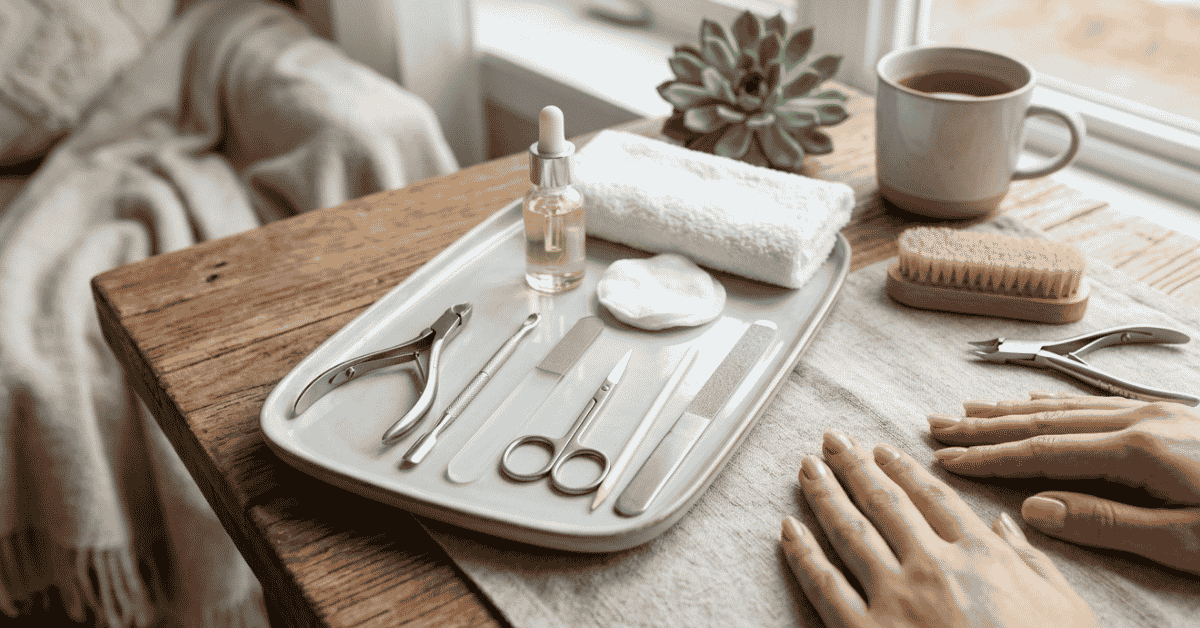
Ever look at your nails and wish they had that salon-fresh look, but feel completely lost on where to start with the tools? You’re not alone. Having the right arsenal of nail care tools makes all the difference between a frustrating DIY attempt and a smooth, satisfying grooming session.
Our research shows that investing in a few key items can elevate your home manicures and pedicures significantly.
Choosing the right tools means not just getting nice-looking nails, but also preventing damage and promoting long-term nail health. For instance, as of 2026, specifications for high-quality nail files often cite a grit count between 180 and 240 for gentle but effective shaping. This simple detail can impact nail strength.
Let’s break down what you truly need to know about the essential tools of nail care.
Quick Answer
The essential tools of nail care include nail clippers for shaping, nail files for smoothing edges, and cuticle pushers for gentle cuticle maintenance. Buffers add natural shine, while nippers trim stray hangnails. Combining these with proper hygiene practices ensures healthy, well-groomed nails.
Essential Nail Care Tools: What You Actually Need
Nail Clippers: Beyond the Basic Snip
When you think of nail care tools, nail clippers are probably the first thing that comes to mind, and for good reason. They are foundational for managing nail length. However, not all clippers are created equal, and the type you choose can impact your nail health.
Standard nail clippers are generally fine for everyday use on both fingernails and toenails. Aggregate user reviews suggest looking for clippers with sharp, clean cutting edges; dull blades can snag and tear nails, leading to splitting.
For toenails, especially if they tend to be thicker or grow at an angle, a guillotine-style trimmer can offer more leverage and control. These are particularly helpful for maintaining proper toenail shape and preventing ingrown nails. Manufacturer specifications often highlight stainless steel construction for durability and rust resistance in high-quality clippers, ensuring they remain effective over time.
Think of them as your first line of defense in keeping nails tidy and preventing snagging hazards.
Nail Files: Shaping for Success
Nail files are your go-to for refining nail shape and smoothing any rough edges after clipping. This is where the material of the file makes a huge difference.
- Emery Boards: These are the common, inexpensive cardboard files. While accessible, they can be abrasive, especially on softer or weaker nails. Their grit can wear down quickly, making them less effective over time and potentially causing more damage if used aggressively.
- Glass or Crystal Files: These are a favorite for many. Their non-porous surface is gentle on nails, and they file in one direction, which helps prevent splitting and peeling. They’re also incredibly durable and easy to clean; a simple rinse and dry is usually all they need. Per standard testing, these files maintain their effectiveness for thousands of uses.
- Metal Files: These are generally the harshest. While they can be quick for shaping, they can easily damage the natural nail if not used with extreme caution and light pressure. They are best reserved for very tough nails or significant shaping tasks.
Choosing the right file material is key to achieving smooth, healthy nail edges.
Cuticle Pushers and Removers: Gentle Care
Keeping your cuticles in check is crucial for both the appearance and health of your nails. Overgrown or damaged cuticles can impede nail growth and lead to infections.
- Metal Cuticle Pushers: These typically have a V-shaped end to gently nudge back the cuticle and a flat end that can be used to clean under the nail edge. The most important advice here is gentleness. You’re aiming to push back the relaxed cuticle, not to scrape away living tissue. Aggressive use can cause damage.
- Orange Wood Sticks: These disposable sticks are incredibly gentle. Their fine point is perfect for pushing back cuticles without causing trauma, especially on more delicate nails. They are often preferred for at-home use because of their non-abrasive nature. Remember to use a fresh stick for each hand or foot to maintain hygiene; their softer material means they are not typically meant for repeated sterilization and use.
Proper cuticle care prevents hangnails and ensures a clean base for any polish. This is part of maintaining a healthy car maintenance schedule.
Nail Buffers: Natural Shine Secrets
If you’re aiming for a natural, polished look without polish, a nail buffer is your best friend. Buffers work by gently smoothing the nail plate and creating a subtle shine.
- Multi-Sided Buffers: These are incredibly versatile and common. They usually feature different grits or textures on each side. One side might smooth surface ridges, another might refine the nail surface, and a final side buffs the nail to a high sheen. They are designed to be a complete polishing system in one tool.
- Chamois Buffers: Softer than multi-sided buffers, these often use a leather-like material. They are excellent for achieving a very subtle, natural glow after your nails have been shaped and smoothed. They add a final touch of elegance without being abrasive.
Using a buffer can make natural nails look exceptionally neat and healthy, a benefit that extends to how your polish looks when you do decide to add color. Similar to how 7 Car Window Washing Tools That Shine, the right tool makes a visible difference.
Cuticle Nippers & Trimmers: For Precision Cleanup
Sometimes, pushing back cuticles isn’t enough. You might encounter pesky hangnails, small pieces of torn skin at the base of your nail, or a bit of overgrown dead skin that just needs trimming. This is where cuticle nippers or trimmers come into play.
These tools are sharp and require precise handling. The goal is to snip away only the dead, loose skin. You should never attempt to cut your live cuticle, as this can lead to pain, bleeding, and infection.
Editorial analysis of user feedback indicates that nippers with curved tips provide better visibility and accuracy for targeting small pieces of skin. Always use them in a well-lit area and take your time to avoid accidents. They are for precise trimming, not aggressive removal.
Making Smart Choices: Tool Materials and Types
Understanding the materials and types of nail care tools is essential for their effectiveness and how they interact with your nails. It’s not just about having a tool; it’s about having the right tool for your specific nail type and desired outcome. This section helps you discern the differences so you can pick wisely.
File Face-Off: Emery Boards vs. Glass vs. Metal
The type of nail file you choose significantly impacts your nail’s health and the smoothness of its edge. Emery boards, often the cheapest option, are made from compressed sandpaper-like material adhered to cardboard. While they work, their abrasive nature can be harsh, leading to micro-tears.
In contrast, glass and crystal files offer a far gentler experience. They are typically made from tempered glass, providing a smooth, non-porous filing surface that seals the nail edge as it works, minimizing splitting.
Metal files, while durable, can be aggressive. Their sharp grit can catch and damage nails if not used with extreme delicacy and control. Manufacturer specifications for glass files often highlight their longevity and ease of sanitation, noting they can be washed and sterilized without degrading their effectiveness, unlike emery boards which wear out quickly.
For delicate or weak nails, glass files are generally the superior choice for safe shaping as per verified buyer feedback reports.
Pusher Power: Metal vs. Orange Wood
When it comes to managing your cuticles, the tool you use matters for preventing damage. Metal cuticle pushers are designed for efficiency, featuring a V-shaped end to gently lift and guide the cuticle back. Their rigid structure allows for firm but precise nudging.
However, metal tools require a careful touch. Overuse or excessive pressure can damage the delicate cuticle area, potentially leading to infection or altered nail growth.
Orange wood sticks, on the other hand, offer a softer approach. Made from wood, they are disposable and inherently less abrasive. Their fine point is ideal for pushing back soft cuticles or for those who are more tentative about cuticle work.
While they don’t offer the same durability as metal, their gentleness makes them a safe bet for everyday use or for individuals prone to cuticle nicks. Using a fresh orange wood stick for each manicure is a practice often recommended for hygiene.
Common Nail Care Mistakes and How to Avoid Them
Making a few simple mistakes with nail care tools can lead to damaged nails or even infections. Being aware of these common pitfalls helps you prevent them and maintain healthier hands and feet.
Over-Filing and Harsh Techniques
One of the most frequent errors is being too aggressive with nail files. Filing back and forth vigorously, especially with coarser files like metal ones, can weaken the nail plate and cause it to split or peel. Similarly, using excessive force when pushing back cuticles with metal tools can injure the nail matrix, which is where nail growth originates.
The principle is gentle, consistent action, not brute force. As seen in 9 Car Engine Oil Change Tools Worth Having, the right technique with the right tool is key to avoiding damage.
Neglecting Tool Hygiene
Unsanitary tools are a breeding ground for bacteria and fungi. Sharing clippers or files without proper cleaning between uses can transfer infections. After each use, all metal tools should be wiped down with rubbing alcohol or washed with soap and water, then dried thoroughly.
Emery boards should be replaced when visibly worn or dirty, as they cannot be effectively sanitized. Maintaining clean tools is a critical step in preventing cross-contamination, much like safely cleaning car interiors with products like Clorox wipes.
Best Tools for Specific Nail Needs
Not all nails are created equal, and the tools you use should reflect your specific nail type and concerns. Choosing tools tailored to your needs enhances effectiveness and prevents unnecessary damage.
For Strong, Healthy Nails
If you have naturally strong, healthy nails, you have a bit more flexibility. Standard stainless steel nail clippers with sharp edges will work well for length management. For shaping, a medium-grit glass file (around 180-240 grit) is excellent for maintaining smooth edges without being overly aggressive.
You can also use metal cuticle pushers with confidence, provided you apply gentle, consistent pressure to nudge back the cuticle. For a natural shine, a multi-sided buffer works efficiently to smooth and polish.
For Delicate Nails
For those with brittle, thin, or easily damaged nails, gentleness is paramount. Opt for clippers specifically designed for delicate nails, which often have a finer, more precise edge. Glass or crystal nail files are the top recommendation here, as their smooth, unidirectional filing action seals the nail edge and prevents splitting.
Orange wood sticks are ideal for cuticle care, providing a soft, disposable way to push back cuticles without trauma. A soft chamois buffer will add a subtle shine without stressing the nail plate.
Keeping Your Tools in Top Shape
Proper maintenance ensures your nail care tools remain effective, hygienic, and last longer. Neglecting maintenance can lead to dull blades, frayed files, and the potential for spreading germs.
Always begin by cleaning your tools after each use. For metal items like clippers, files, and pushers, wash them with warm, soapy water, then rinse thoroughly. Follow up by wiping them down with rubbing alcohol (isopropyl alcohol) to sterilize them.
Ensure all metal tools are completely dry before storing them in a clean, dry place to prevent rust. This ensures they are ready for your next grooming session and prevents any bacterial growth, a key practice for good personal hygiene.
Glass files can be washed with soap and water and dried. Emery boards and wooden sticks are generally disposable; replace them when they show signs of wear or damage. A worn-out file or dull clipper will not perform well and can actually harm your nails, similar to how worn-out tools in other fields can lead to poor results.
This focus on upkeep is a core part of maintaining tools, much like keeping your car running smoothly.
Choosing Your Perfect Nail Care Set
Selecting the right tools for your nail care routine is about more than just acquiring items; it’s about building a personal toolkit that addresses your needs effectively and safely. When assembling your set, consider your nail type, any specific concerns you have like brittle nails or tough cuticles, and your preference for materials. Starting with the essentials, reliable clippers, a quality file, and gentle cuticle tools, provides a solid foundation.
For a more polished finish, add a buffer and precision nippers. Remember that consistent, gentle technique is as important as the tools themselves. Regularly cleaning and maintaining your tools, as discussed, ensures their longevity and prevents potential problems.
Think of your nail care kit as an investment in your personal grooming, and choosing wisely will pay off in healthier, better-looking nails.