
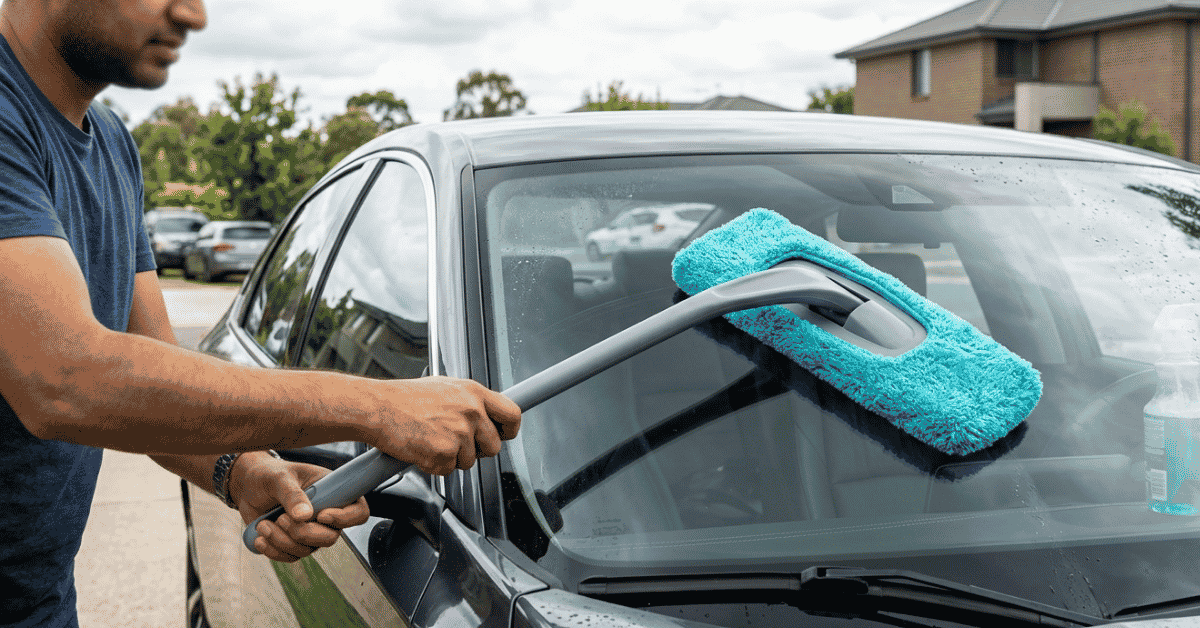
You know that frustrating glare when the sun hits your windshield just right, revealing every streak and smudge you thought you’d cleaned? Getting a truly clear view, especially of your interior windshield, can be a surprisingly tough job. You’ve likely tried a few things and ended up with more streaks than you started with.
The right tool makes all the difference. A microfiber car windshield cleaner tool, designed specifically for this task, can transform smudged glass into a streak-free expanse with minimal effort. Per textile industry standards, microfiber’s effectiveness comes from its unique fiber structure, designed to trap dirt and absorb liquids efficiently.
This makes it ideal for tackling those stubborn interior windshield grime.
Quick Answer
A microfiber car windshield cleaner tool is a specialized handheld device with an ergonomic handle and a washable microfiber pad. Its primary purpose is to efficiently clean and clear interior and exterior car windshields, removing streaks, dirt, and grime. The microfiber material effectively traps particles without scratching glass, providing improved visibility.
These tools typically feature reusable, washable pads and often have telescoping handles to reach difficult areas.
Why Your Windshield Needs More Than Just a Rag
That hazy film on your interior windshield isn’t just annoying; it can be a genuine safety hazard. It refracts light, especially at night or during dawn and dusk, creating blinding glare and reducing your reaction time. While a regular cloth might move dirt around, a dedicated microfiber car windshield cleaner tool is engineered to lift and trap fine particles and oily residues that paper towels or old t-shirts just push around.
It’s about maximizing visibility so you can drive with confidence.
Key Components of a Good Microfiber Windshield Cleaner Tool
When you’re looking for a tool to tackle that annoying windshield haze, a few key features make a big difference. It’s not just about the microfiber; it’s how it’s put together.
The Magical Microfiber Pad
The heart of any good microfiber car windshield cleaner tool is its pad. High-quality pads are typically a blend of polyester and polyamide, creating ultra-fine fibers that are split into smaller strands. This structure gives them a larger surface area, allowing them to grab and hold onto dirt, dust, oil, and moisture far better than cotton or synthetic materials.
Our research indicates that a good microfiber pad should feel soft but also possess a slight grip to effectively lift contaminants without requiring excessive pressure. Many tools come with one or more washable, reusable pads, which is a huge plus for both your wallet and the environment.
Handle It How You Like It: Ergonomics and Reach
A great cleaning head is useless if you can’t comfortably get it where it needs to go. The handle of a microfiber car windshield cleaner tool is designed for usability. Look for ergonomic grips that feel comfortable in your hand for extended use, preventing fatigue.
Crucially, many tools feature telescoping handles, allowing you to extend their reach from a compact size for storage up to 30 inches or more. This is a game-changer for cleaning the often-awkwardly angled interior windshield and reaching those frustrating corners where the glass meets the dashboard. Some designs also incorporate a swivel head, which helps the pad conform to the windshield’s curve, ensuring consistent contact and effective cleaning across the entire surface.
For an example of how tool design impacts workflow, review 7 Care Management Tools That Changed My Workflow.
Putting Your Microfiber Cleaner to Work: A Simple Guide
Using your microfiber car windshield cleaner tool is straightforward, but a few steps can ensure you get that perfectly clear, streak-free finish every time. It’s about technique, not just the tool itself.
Getting Started: Prep and Solution
Before you begin, make sure your microfiber pad is clean. A dirty pad can spread grime or even scratch your glass. If the pad is dry, slightly dampen it with your chosen cleaning solution.
For most interior windshield cleaning, a dedicated automotive glass cleaner is best, but a 50/50 mix of isopropyl alcohol and distilled water also works well. Avoid household cleaners that can leave residues or damage tinting. Some prefer to lightly spray the solution directly onto the glass in the area they are about to clean.
The Wiping Technique for a Clear View
Hold the tool with a comfortable grip and place the microfiber pad flat against the glass. Start at one edge of the windshield, usually a top corner, and use smooth, overlapping strokes to wipe across the glass. Work your way down, ensuring each pass slightly overlaps the previous one.
This methodical approach prevents missed spots and minimizes the chance of creating new streaks. For the interior, pay special attention to the area where the windshield meets the dashboard; a tool with a flexible head or telescoping handle makes this much easier. If you’re interested in other effective car cleaning tools, check out 7 Car Window Washing Tools That Shine.
Cleaning Up: Pad Maintenance for Longevity
Once you’ve finished cleaning your windshield, don’t just toss the pad aside. Proper care ensures your microfiber car windshield cleaner tool lasts and performs effectively. Wash the microfiber pad separately from other laundry, using a mild detergent and avoiding fabric softeners, as these can clog the fibers and reduce their effectiveness.
Manufacturer specifications often recommend a cold or warm water wash cycle. Air drying or tumble drying on a low heat setting is best; high heat can damage the microfiber. A well-maintained pad can be reused many times, offering a sustainable cleaning solution.
Strengths and Weaknesses: Is It the Right Tool for You?
Like any tool, a microfiber car windshield cleaner tool has its upsides and downsides that are worth considering before you decide if it’s the best fit for your car care routine.
The Upside: Crystal Clear Benefits
The primary advantage of a microfiber car windshield cleaner tool is its ability to deliver a streak-free shine and significantly improve visibility. The microfiber pads are exceptionally good at trapping dust, fingerprints, and interior fogging residues that regular cloths often just smear. They are also reusable and washable, making them an environmentally friendly and cost-effective alternative to disposable paper towels over time.
Many users report that the ergonomic handles and telescoping options make reaching difficult areas, like the top of the interior windshield, far less of a chore. For a look at other maintenance tools, consider 9 Car Engine Oil Change Tools Worth Having.
The Downsides: What to Watch Out For
While highly effective for windshields, these tools are generally not meant for heavy-duty exterior glass cleaning where road grime can be caked on. If the microfiber pad is not kept clean, it can potentially cause minor scratches, though this is rare with quality microfiber on glass. You also have to remember to wash and maintain the pads; if they’re dirty, they won’t work well.
Some basic models might lack the reach or flexibility needed for very large vehicles. Finally, while reusable, the initial cost of a good microfiber car windshield cleaner tool can be higher than a pack of paper towels, though it pays for itself quickly.
Who Needs a Microfiber Windshield Cleaner Tool Most?
This specialized tool isn’t for everyone, but for certain drivers and situations, it’s an absolute must-have. If you’re tired of a hazy view, it’s likely time to consider one.
For the Detail-Obsessed Driver
If you take pride in your vehicle’s appearance and strive for that showroom shine, a microfiber car windshield cleaner tool is an essential part of your arsenal. Enthusiasts understand that even a small amount of haze on the interior glass can detract from the overall clean. These tools allow for meticulous cleaning of every inch of the windshield, ensuring maximum clarity and a polished look.
They’re perfect for those who appreciate the finer points of auto detailing, similar to how specific tools improve results in other mechanical tasks like Cartridge And Battery Pairing Brings Better Results.
For the “Just Get It Done” Owner
Even if you’re not a car detailing aficionado, anyone who prioritizes safety and clear visibility should consider this tool. We’ve all experienced the dangerous glare from a dirty windshield. A microfiber car windshield cleaner tool simplifies this task, making it quick and easy to achieve a safe, clear view without a lot of fuss.
It’s for the everyday driver who wants a practical solution to a common problem, contributing to Car Maintenance Schedule A Simple Plan To Keep Your Car Running Smoothly.
Common Mistakes That Leave You Seeing Double
Even with a great tool, it’s easy to make a few common errors that undo all your hard work, leaving you with annoying streaks. Avoiding these pitfalls is as important as using the tool itself.
Over-Wetting and Drips
Using too much cleaning solution is a frequent mistake. Excess liquid can drip onto your dashboard, potentially damaging surfaces or leaving unsightly water spots. It also makes it harder to dry completely without streaks.
Always start with a lightly dampened pad and add more cleaner only if necessary, and sparingly.
Using a Dirty Pad
A clean microfiber pad is non-negotiable for a streak-free finish. If your pad has picked up dirt from a previous cleaning session and hasn’t been washed, it will simply spread that grime across your glass. This creates new smudges and can even embed particles that might scratch your windshield.
Forgetting the Edges
It’s tempting to just sweep across the main glass area, but the edges and corners are where dirt and streaks often hide. These areas are critical for your full field of vision. Make sure to work the tool into these tight spots.
Exploring Your Options: Beyond the Basic Microfiber Tool
While a standalone microfiber car windshield cleaner tool is effective, other approaches exist, each with its own strengths. Understanding these alternatives helps confirm if the microfiber tool is your best bet.
- Microfiber Cloth Only: Just a flat microfiber cloth is the most basic option. It’s cheaper but requires more effort to reach corners and can be harder to get consistent pressure. You’d essentially be doing the same wiping motion as the tool, but without the handle for leverage.
- Spray Bottle and Paper Towels: This is a common, though often frustrating, method. Paper towels can leave lint and don’t absorb oils as well, leading to streaks and reduced clarity over time.
- Windshield Cleaning Wands: Some wands use different materials like chenille or terry cloth, and might have built-in reservoirs for cleaner. Our research suggests that while effective, the cleaning power can vary greatly depending on the material and the specific wand design.
For most users seeking convenience and effectiveness, a quality microfiber car windshield cleaner tool strikes a great balance.
Pro Tips for a Flawless Windshield Finish
Want that perfect, invisible windshield? A few extra steps and tricks can make all the difference in achieving a professional-level clean.
- Work in Shade: Always clean your windshield in a shaded area. Direct sunlight can cause your cleaning solution to dry too quickly, leaving streaks before you can wipe them away.
- Use Distilled Water: If mixing your own cleaner or rinsing your pad, always use distilled water. Tap water contains minerals that can leave spots on your glass.
- Consider Two Pads: For extremely dirty windshields, consider using two pads: one for initial cleaning and another for a final buffing pass. This ensures you’re not buffing with a contaminated pad. For more on maintaining vehicle cleanliness, see Can I Use Clorox Wipes In My Car Safely.
Keeping Your Tool in Top Shape: Washing and Care
Proper maintenance is key to ensuring your microfiber car windshield cleaner tool performs well for years to come. It’s not complicated, but there are a few crucial rules to follow.
Always wash the microfiber pads separately from other laundry items. This prevents lint and debris from other fabrics from clinging to the microfiber, which can then get transferred to your windshield. Use a mild detergent and avoid fabric softeners or bleach.
These can degrade the microfiber strands and reduce their cleaning efficiency. Air drying is generally preferred, or tumble dry on a very low heat setting. Never use high heat, as it can melt or damage the delicate fibers.
A clean tool is a hardworking tool.