
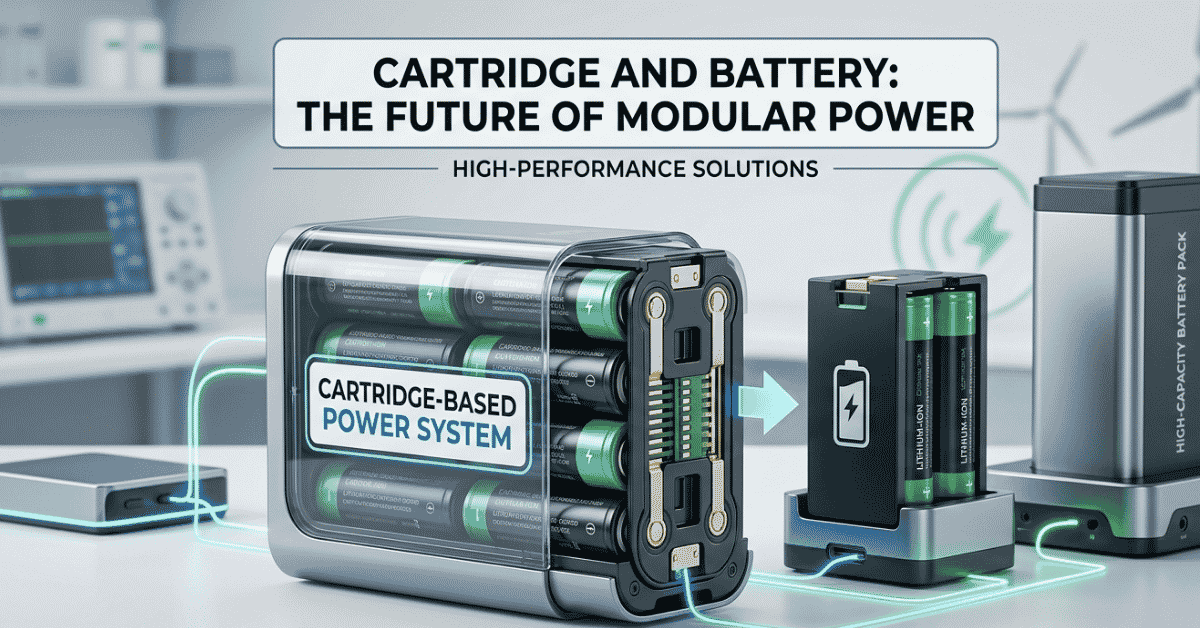
A cartridge and battery work as a team in many portable devices. Learn how they connect, why compatibility matters, and what to check before buying.
I first learned the value of a good cartridge and battery match after using a device that barely worked. The battery was fine. The cartridge looked fine. Yet performance felt weak. After some research, I realized the two parts were not a great fit. That small lesson saved me time and money later. If you are curious about cartridge and battery systems, this guide will help.
Why Is a Cartridge and Battery Important?
A cartridge and battery are the heart of many portable devices.
The battery provides power.
The cartridge holds the material or component that performs the main task.
When both parts work well together, users often enjoy:
- Better performance
- Longer lifespan
- Fewer problems
- Easier maintenance
- More reliable use
In my experience, compatibility matters more than most people think.
What Is a Cartridge and Battery System?
A cartridge and battery system combines two connected parts.
Each serves a specific purpose.
What the Battery Does
The battery supplies energy.
Its job includes:
- Power delivery
- Consistent performance
- Rechargeable operation
Without the battery, the system cannot function.
What the Cartridge Does
The cartridge is the working component.
Depending on the product, it may:
- Hold material
- Deliver output
- Connect to the battery
Different devices use different cartridge designs.
How They Work Together
The battery sends power.
The cartridge responds to that power.
A smooth connection helps create reliable operation.
Think of them as teammates rather than separate parts.
Common Types of Cartridge and Battery Systems
Not all systems look the same.
Several styles exist today.
Disposable Systems
These combine convenience with simplicity.
Pros:
- Easy to use
- Minimal setup
- Portable
Cons:
- Limited lifespan
- Less flexibility
Many beginners start here.
Rechargeable Systems
These use a reusable battery.
Benefits include:
- Lower long-term cost
- Reduced waste
- Better durability
I generally prefer rechargeable options.
Replaceable Cartridge Systems
These allow users to swap cartridges while keeping the same battery.
Pros:
- Greater flexibility
- Cost savings
- Easier customization
Cons:
- Must verify compatibility
This design has become very popular.
What Makes a Good Cartridge and Battery Match?
A strong match improves the overall experience.
Compatible Connections
The first thing I check is compatibility.
A proper connection helps ensure:
- Stable performance
- Secure fit
- Reliable operation
Poor connections often create frustration.
Correct Power Output
Different cartridges may perform best with different power levels.
Balanced power helps:
- Improve consistency
- Reduce strain
- Extend component life
Too much or too little power may create issues.
Build Quality
Quality matters.
Well-made components often provide:
- Better reliability
- Longer service life
- Improved user satisfaction
I usually avoid the cheapest option available.
Manufacturer Support
Products backed by good support tend to be easier to maintain.
Helpful support can include:
- Guides
- Warranty coverage
- Customer service
That extra support can be valuable.
Cartridge and Battery Features Comparison
Different systems offer different strengths.
| Feature | Basic System | Mid-Range System | Premium System |
|---|---|---|---|
| Rechargeable Battery | Sometimes | Yes | Yes |
| Replaceable Cartridge | Sometimes | Yes | Yes |
| Battery Life | Basic | Good | Excellent |
| Build Quality | Basic | Good | Excellent |
| Compatibility Options | Limited | Good | Excellent |
| Long-Term Value | Fair | Good | Excellent |
The right choice depends on personal needs and budget.
Benefits of Choosing the Right Cartridge and Battery
The advantages become clear over time.
Better Performance
A good match often creates smoother operation.
Users may notice:
- More consistency
- Improved reliability
- Better efficiency
Performance is usually the first thing people notice.
Longer Lifespan
Quality systems often last longer.
This helps reduce:
- Frequent replacements
- Unexpected failures
- Maintenance issues
Durability saves money over time.
Easier Maintenance
Simple maintenance makes ownership more enjoyable.
Good systems often feature:
- Easy cleaning
- Simple charging
- Straightforward replacement
Convenience matters.
Improved Value
A slightly higher upfront investment may provide better long-term value.
I have learned this lesson more than once.
Common Problems With Cartridge and Battery Systems
Even good products can have challenges.
Poor Compatibility
This is one of the most common issues.
Symptoms may include:
- Weak performance
- Connection errors
- Inconsistent operation
Always verify compatibility first.
Battery Wear
All batteries age eventually.
Over time, users may notice:
- Shorter runtime
- Slower charging
- Reduced efficiency
This is normal.
Loose Connections
A loose fit can affect performance.
Regular inspection helps identify problems early.
Low-Quality Components
Cheap components often create more issues.
Potential drawbacks include:
- Reduced reliability
- Short lifespan
- Inconsistent results
Quality usually pays off.
How to Choose the Best Cartridge and Battery
A few simple steps help narrow the options.
Know Your Needs
Ask yourself:
- How often will I use it?
- Do I need portability?
- Is battery life important?
Clear goals make decisions easier.
Check Compatibility
This is always my first step.
Confirm that:
- Connections match
- Specifications align
- Components are designed to work together
Compatibility prevents many headaches.
Read Reviews
Real user experiences can reveal useful details.
Look for feedback on:
- Reliability
- Battery life
- Build quality
Patterns often emerge quickly.
Consider Future Costs
The lowest purchase price is not always the best value.
Think about:
- Replacement costs
- Battery longevity
- Overall durability
Long-term value matters.
Tips From My Experience
Over the years, I developed a few habits.
Keep Connections Clean
Clean contacts help maintain performance.
Dust and debris can affect operation.
Store Components Properly
Proper storage helps protect:
- Battery health
- Cartridge condition
- Overall lifespan
Simple care makes a difference.
Avoid Extreme Temperatures
Heat and cold can affect many portable systems.
Moderate storage conditions are usually best.
Use Quality Chargers
A reliable charger helps protect battery health.
I avoid unknown chargers whenever possible.
Signs It May Be Time for Replacement
Nothing lasts forever.
Watch for signs such as:
- Reduced battery life
- Weak performance
- Physical wear
- Charging issues
Addressing problems early often prevents larger issues later.
My Experience With Cartridge and Battery Systems
The biggest lesson I learned is that compatibility matters more than flashy features.
A well-matched cartridge and battery often outperform a collection of premium parts that do not work together properly.
When I focus on quality, compatibility, and reliability, the experience is usually much better. Those simple factors continue to matter far more than marketing claims.
FAQs
What is a cartridge and battery system?
A cartridge and battery system combines a power source and a working component that operate together within a portable device. Learn more about compatibility.
Why is cartridge and battery compatibility important?
Compatibility helps improve performance, reliability, and lifespan while reducing connection and operation issues. Learn more about choosing components.
How long does a cartridge and battery typically last?
Lifespan depends on build quality, usage habits, and maintenance. Quality systems often last significantly longer. Learn more about product care.
Can I mix different cartridge and battery brands?
Sometimes, but compatibility should always be verified first. Not all connections and specifications match. Learn more about safe pairing.
How can I extend cartridge and battery life?
Keep connections clean, store components properly, avoid extreme temperatures, and use quality chargers. Learn more about maintenance practices.