
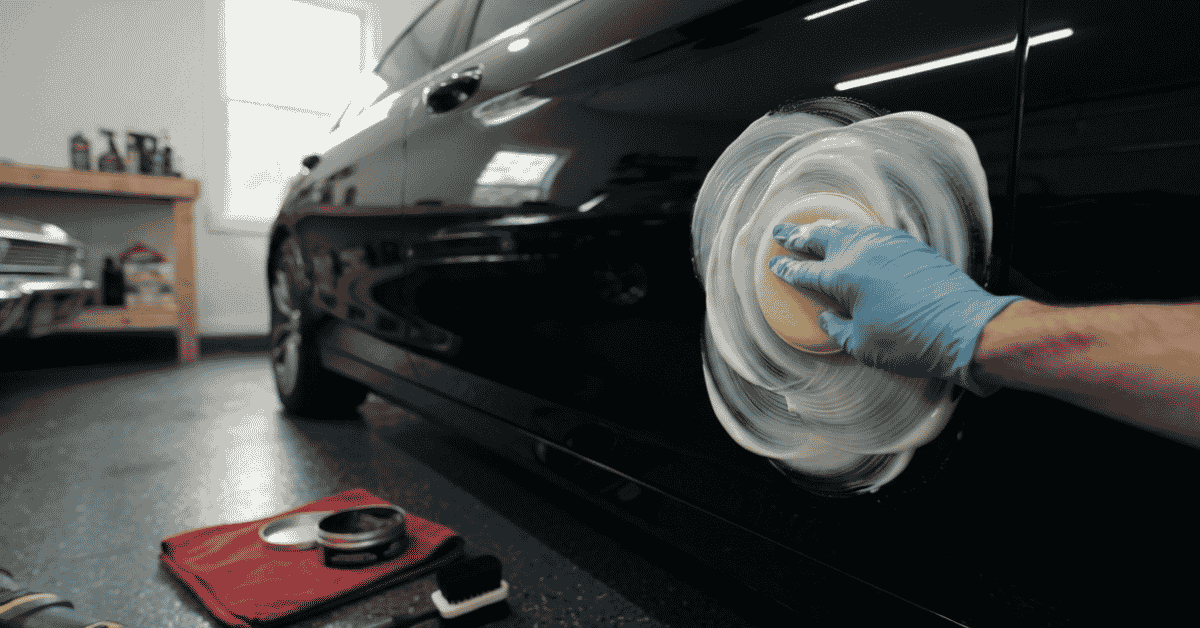
Car Waxing Tools make paint care easier with pads, cloths, buffers, and brushes that help spread wax well and leave a clean, smooth shine.
Car Waxing Tools changed the way I care for paint. I used to think wax alone did most work. That idea did not last very long. The right pad, cloth, and tool can change everything. I learned this through sore arms and dull paint. This guide shares the small things that helped me most. Try a few and see which ones fit you.
Can Car Waxing Tools Really Make a Difference?
Car Waxing Tools once looked like pure extras. I thought a soft rag would do everything. One hot noon changed that view quite fast.
I stood near my car with wax nearby. The paint felt warm beneath my hand. My old cloth dragged across the hood.
The wax spread in thick, odd spots. Some parts looked dark and rich. Other spots looked cloudy under the sun.
I rubbed harder and made my arm ache. That was the point I felt stuck.
A clean foam pad fixed much of that mess. The wax went on thin and even.
That small shift felt almost silly. Yet the final shine looked much more calm.
I guess tools matter most through small gains.
Life Before I Found This
My old wax kit was pretty sad. I had one rough towel and one sponge.
The towel smelled like old soap. Tiny bits of grit hid in its fibers.
I used the same cloth for many jobs. Dust, wax, and trim all met that cloth.
That was not a smart habit.
Wax went on too thick most times. Buffing took much more work after that.
My hands felt tired before one panel ended. The garage fan made a soft buzz nearby.
I also saw small streaks under bright light. Those marks drove me a bit nuts.
Better Car Waxing Tools made the task feel far less messy.
Why This Matters Right Now
Modern cars can show paint flaws very fast. Dark paint can make small swirls stand out.
Road grime also builds up with daily use. Sun, dust, rain, and bird waste add stress.
Wax adds a thin layer above clean paint. Good tools help place that layer with care.
Bad tools can waste wax very quickly. They may also drag dirt across paint.
I see tool choice as part of paint care. It is not just about getting more shine.
A good pad helps use less wax. A clean towel also cuts down on repeat work.
That saves time, product, and some arm pain. Maybe that is enough reason for most people.
The First Big Lesson
The first big lesson was very simple. Soft does not always mean safe.
Some cloths feel soft between two fingers. Yet their edges can feel rough on paint.
I now check the full towel first. I touch the face, edge, and stitched band.
A clean microfiber towel works best for buffing. A foam pad works well for hand wax.
Machine work needs the right pad type. I never mix dirty pads with clean paint work.
Tool care matters just as much too. A good pad can turn bad after poor use.
Dust can hide inside soft fibers. That dust may act like fine grit later.
I keep wax tools in sealed bags now. It feels a bit fussy, I know.
Still, clean tools make the finish much more even.
Small Tactics That Actually Work
I start with less wax than feels right. Thin coats are much easier to spread.
A small dab can cover more paint than expected. Thick wax often makes buffing harder.
I use one pad for wax only. That keeps old dirt from mixing in.
I also fold my microfiber towel into four parts. That gives me several clean sides.
Each side gets used for one small area. Then I flip to a fresh face.
For hand work, I use light round motions. Straight passes also work well on flat panels.
I avoid pushing down with much force. Wax needs spread, not hard scrubbing.
Machine users should start at low speed. The pad should stay flat on paint.
I also work in shade when I can. Hot paint can make wax dry too fast.
These habits sound small because they are. Small habits often save the most work.
A Strange Detail I Noticed
One odd detail caught me after many wax jobs. My ears can tell me something is wrong.
A clean pad usually moves with little sound. A dirty tool can make a faint scratchy hiss.
That sound makes me stop right away.
I check the pad for dust or grit. Sometimes one tiny grain is enough.
The same thing happens with towels too. A clean towel glides with a soft hush.
A dirty one can feel grabby and dry. I guess paint care uses more than sight.
Touch and sound can warn me early. That strange habit has saved me from bad marks.
Style Comparison & Data
Different Car Waxing Tools suit different jobs. I pick each tool based on control and speed.
| Tool Type | Best Use | Main Benefit |
|---|---|---|
| Foam pad | Hand wax use | Thin, even coat |
| Microfiber pad | Light polish work | Soft paint contact |
| Wax buffer | Large flat panels | Faster coverage |
| Microfiber towel | Wax removal | Clean final wipe |
| Detail brush | Tight trim gaps | Better edge access |
No tool wins every job. A small hand pad gives me more control.
A buffer saves time on large panels. Towels matter most at the final wipe stage.
The best kit is usually a simple mix.
Non-Obvious Gains
Good Car Waxing Tools can give more than shine. Some gains only appear after several washes.
-
Less wax waste: Thin coats use much less product.
-
Fewer streaks: Even spread helps wax cure more cleanly.
-
Less arm strain: Better pads need less hard rubbing.
-
Safer paint care: Clean fibers reduce grit contact.
-
Faster cleanup: Good towels lift dry wax with less work.
The arm strain part surprised me most. I used to press far too hard.
A better tool made that force feel pointless. My hands stayed loose during the whole job.
That made waxing feel less like a chore. I started doing it with far less dread.
Myths vs. My Reality
I used to think expensive tools meant better results. But then some cheap foam pads worked quite well.
I used to think more wax meant more shine. But then thick coats left hazy marks.
I used to think old shirts were fine. But then I saw fine marks under garage lights.
I used to think buffers were only for pros. But then I tried a basic wax buffer.
It felt far less scary than expected.
I also thought one towel could finish a car. That idea failed almost at once.
A loaded towel starts pushing old wax around. Fresh towel sides make the work much cleaner.
My main rule is simple now. Use the cleanest tool for the right task.
Price comes after that.
Essential Principles for Mastery
I use a simple four-part system now. Clean, choose, spread, and check.
Clean means washing paint and tools first. Wax should never trap loose dirt below it.
Choose means matching each tool to its task. Foam pads spread wax well by hand.
Soft towels work best for final buffing. Machine pads need the right size and type.
Spread means keeping the wax coat thin. I work one small panel at a time.
A thin layer is easier to see. It also comes off with less force.
Check means using light from several angles. I look for missed wax, haze, and streaks.
I also touch my tools often. Any rough spot makes me stop using them.
Tool care comes last but stays important. I wash pads apart from dirty shop rags.
I let them dry in clean air. Then I store them in sealed bins.
That simple system keeps each wax job calm.
FAQs About Car Waxing Tools
What Car Waxing Tools do I need first?
A basic kit needs foam applicator pads, clean microfiber towels, and a soft brush for small gaps. A machine buffer is optional. I would start simple and add power tools only after basic hand waxing feels easy.
Are foam pads good for car wax?
Yes, foam pads work very well for most paste and liquid wax. They spread product in thin coats and feel easy to control. I like dense, soft foam because it holds enough wax without soaking up too much.
Can I use a machine buffer for waxing?
Yes, a low-speed machine buffer can spread wax fast. I keep the pad flat and use very little pressure. A soft finishing pad works best. Fast speed adds no real gain and may make the wax dry too soon.
How many microfiber towels should I use?
I usually keep four to six clean towels nearby. One towel can load with wax quite fast. Fresh towel faces help stop streaks and haze. Extra towels also keep me from using a dirty section by mistake.
Should Car Waxing Tools be washed after use?
Yes, pads and towels should be cleaned soon after waxing. Old wax can harden inside fibers or foam. I use mild soap, rinse well, and air dry them. Clean storage helps keep dust away before the next job.
My Final Takeaway
Car Waxing Tools do not need to feel complex. A few clean tools can change the whole job.
I care most about soft contact and thin wax. Those two things save me time and stress.
Start with good pads and microfiber towels first. Add a buffer if you want more speed.
Keep every tool clean between each use. Your paint may reward that care with a smoother shine.