
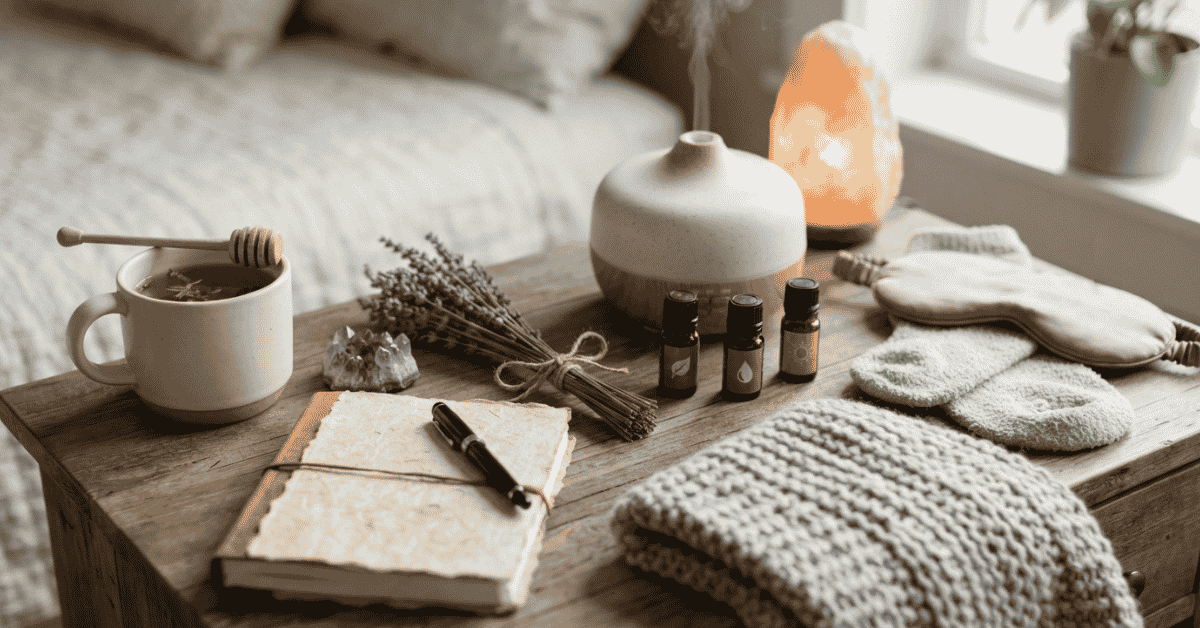
self care tools can help you slow down, rest, and feel more at ease. Try these easy tips today, build a calm self care plan, and feel good.
Self care tools can make hard days feel less rough. I used to think self care meant spa days. It did not fit my life. I had work, chores, and no spare cash. So I built a small kit at home. It felt far more real. This guide shares the tools I use most. You will get tips for each one. You will also learn how to build your own kit.
What are self care tools, and do they help?
Self care tools are aids that help you care for your body and mind. Some are free. Some cost just a few bucks. A note pad can help clear a busy mind. A soft robe can make rest feel nice. A face cloth can turn a dull bath into a calm one.
I like tools that feel easy to use. If a tool adds work, I skip it. That rule has saved me cash and time. Small steps tend to stick far more than grand plans.
What You Need Before You Start
Start with a calm spot at home. You do not need a big room. A chair by a window can work well. Keep a small box near your bed or desk.
Try a note pad, pen, water bottle, soft towel, face wash, and balm. Add a book, eye mask, or stress ball if you like. Pick tools that fit your needs. Do not buy a full kit at once.
How to Use Self Care Tools: Step by Step
Step 1: Pick one calm tool
Start with one tool you will use each day. A note pad is a good first pick. Write three short lines at night. Note one win. Note one hard bit. Note one thing you want next.
I tried this after a long work day. My room was warm. The fan made a soft hum. I wrote for five mins. My head felt less full soon after.
Step 2: Build a small care box
Use a box, tray, or small bag. Keep your care tools in one spot. Add only items you use with ease. A soft cloth, lip balm, pen, book, and tea cup can work.
My first box was plain. It had a blue pen, hand cream, and a small pad. That was it. I did not need more. The box made my care time feel like a real habit.
Step 3: Use a tool for body care
Body care does not need to feel hard. A warm wash, soft towel, and clean shirt can help you reset. A foot soak may feel nice after a long day. Use warm water, not very hot water.
I like to wash my face at night. The cool water wakes my skin a bit. A clean towel feels fresh on my face. It takes less than five mins. That small act helps me shift out of work mode.
Step 4: Use a tool for mind care
A pen and pad can help sort a busy mind. Write down the task that bugs you most. Then list the next small step. Do not try to fix your whole life on one page.
A timer can help too. Set it for ten mins. Sit still. Read a few pages. Take slow breaths. Put your phone face down. Ten mins can seem short. Yet it can break a bad stress loop.
Step 5: Add a sleep aid
Good rest is a key part of self care. A soft eye mask can block light. Ear plugs may help block low noise. A book can help you wind down.
Keep your bed for rest as much as you can. Put work tabs away at night. Lower the room light. Keep your phone out of arm’s reach. I found this step hard at first. My hand kept reaching for my phone. Then the urge got less.
Step 6: Try a tool for stress
Stress tools can help you pause. A stress ball can give your hands a task. A cool face cloth may help you feel fresh. A short walk can also work. You do not need a fancy tool.
I keep a small grip ball by my desk. Its soft rubber feels odd at first. After a few uses, I liked it. I squeeze it while I wait for files to load. It gives my hands a calm task.
Step 7: Set a care time
Pick one time that fits your day. Ten mins is enough to start. Use the same tool at the same time. This can help turn care into a habit.
My best time is late at night. I wash up. I write a few lines. I read for a bit. Then I put the care box back. The whole task can take 15 mins. That feels easy to keep up.
Maintenance & Next Steps
Keep your care tools clean and easy to reach. Wash cloths with care. Clean cups and jars with soap. Toss old skin care items that smell odd or look bad. Check tools for cracks too.
A care kit should make life more calm. It should not feel like a chore. Change the kit as your needs shift.
| Tool | Use | Check |
|---|---|---|
| Note pad | Clear your mind | Each week |
| Soft cloth | Face or foot care | Each use |
| Eye mask | Block light | Each month |
| Stress ball | Ease hand stress | Each month |
| Book | Calm before bed | As needed |
Expected Results & Timeline
Small care steps can feel good right away. A warm wash may help you feel fresh. A short walk can clear your head. A note pad may help sort your thoughts.
Long term gains need more time. A set care habit may feel more natural after a few weeks. Track how you feel before and after each task. Use a scale from one to ten. Keep it simple.
Do not chase a huge change. Look for small signs. You may feel less tense. You may sleep with less fuss. You may feel more in charge of your day. Those small wins count.
Common Mistakes to Avoid
- Buying too much gear: A shelf full of tools can add stress. Start with two or three items you will use.
- Making care too hard: A one-hour plan may fail on busy days. Try ten mins first.
- Copying someone else: Their care plan may not fit your life. Pick tools that feel good to you.
- Using care to skip real needs: Rest helps. Yet food, sleep, work, and help from others still matter.
- Quitting after one bad day: Missed days will happen. I miss mine too. Just start again the next day.
Safety & Precautions
Use care tools as the maker says. Keep skin care items off skin that feels raw or sore. Stop if a tool hurts or causes a bad rash. Keep hot water at a safe heat. Do not use pills or harsh aids as part of a care plan without proper advice.
FAQs about self care tools
Which self care tools should I start with?
Start with simple tools you will use often. A note pad, soft cloth, water bottle, book, and eye mask can form a low cost kit for calm days.
Can self care tools help with stress?
They may help you pause and slow down. Tools like a note pad, timer, or stress ball can give your mind a short break during a hard or tense day.
Do self care tools cost a lot?
No. Many useful tools cost little or nothing. A pen, old book, clean cloth, cup, or short walk can all fit a self care plan with no big spend.
How many self care tools do I need?
You only need a few tools that fit your day. Start with two or three. Add more later if each new tool gives you real use and does not add stress.
Can I make self care tools at home?
Yes. Many tools can be made from items you have. Use a jar for notes, an old box for care gear, or a clean cloth for face care or rest.
Final Takeaway
Self care does not need a big plan. It does not need a spa room. A pen, cloth, book, or cup can be enough. The best tools are the ones you will use with ease. Start small. Keep the steps plain. Give each tool a fair try. My own kit grew from just three items. It still works best when life gets loud. Take ten mins today. Pick one tool. Give yourself that small bit of care.