
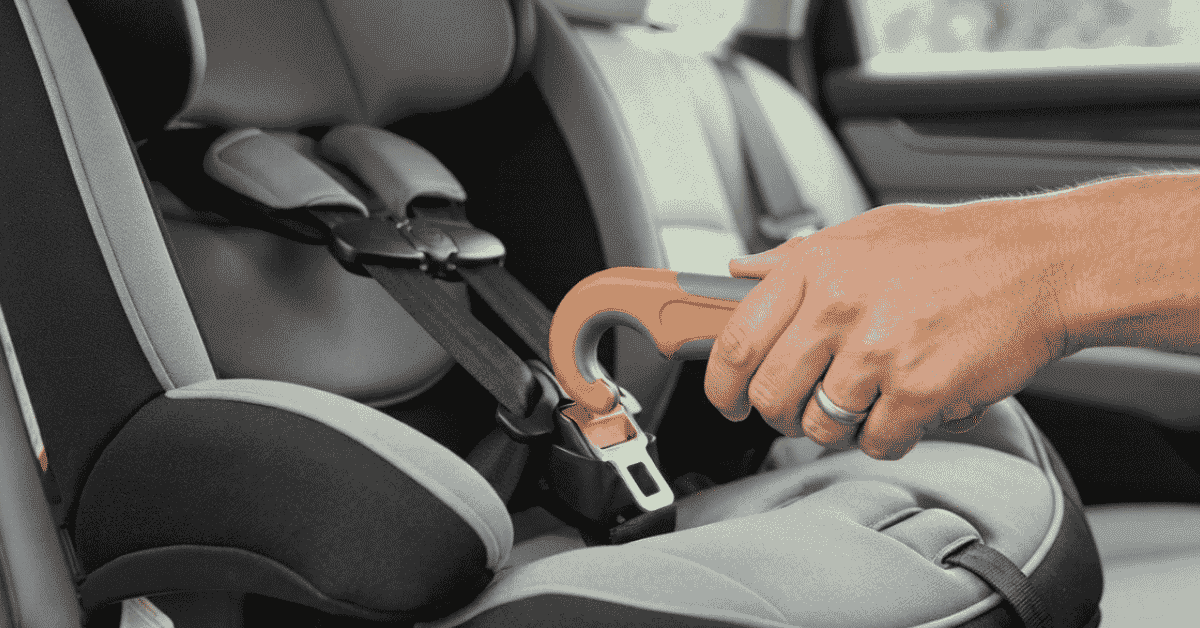
Car Jack Tool basics help drivers lift vehicles safely, change tires, and handle roadside jobs with better control, less stress, and care.
Car Jack Tool gear once seemed simple to me. Lift the car, change the tire, then move on. That view changed after one shaky roadside stop. The metal felt cold, and traffic hummed nearby. I learned that the right tool matters greatly. This guide shares useful types, safe habits, and small lessons. Read through it before your next roadside job.
Can a Car Jack Tool Really Make Roadside Work Safer?
A Car Jack Tool once felt like backup gear. I barely thought about it until one flat tire.
The road felt rough beneath my knees. Cars made a low rush beside me.
My small jack sat under the trunk floor. The handle felt cold and slightly greasy.
I placed it under the car slowly. Then I noticed the ground was not quite flat.
That made me nervous right away. The car seemed less stable than expected.
I moved to a safer, flatter spot. That small choice changed the whole job.
The jack then lifted with less drama. I guess that was my first real lesson.
The tool matters, but placement matters just as much.
Life Before I Found This
My old roadside kit was not very organized. The jack sat beside loose cables and dusty gloves.
A faint rubber smell filled the trunk. Old paper maps curled near the spare tire.
I rarely checked the jack itself. I just assumed it would work.
That was not a great habit.
One day, the handle parts were hard to find. I had moved them months before.
The sun felt hot on my neck. Cars passed with a sharp hiss nearby.
That small delay felt much worse on the roadside. Better storage fixed part of that mess.
I now keep each Car Jack Tool part together. That makes the whole process feel calmer.
Why This Matters Right Now
Flat tires still happen without much warning. Road debris, worn tires, and sharp objects can cause trouble.
Many cars also sit lower than older models. That can affect jack fit and access.
Some vehicles use special lift points. Using the wrong spot may damage body parts.
A Car Jack Tool should match the vehicle. Weight limits and lift range matter here.
Drivers also need to think about surface type. Soft soil can make a jack sink.
Sloped roads add another risk. I avoid lifting there whenever possible.
Roadside safety is not just about speed. It is about making each step stable.
A few extra checks can prevent a bad situation.
That feels worth the extra minute to me.
The First Big Lesson
The first big lesson was about lift points. A jack should never go under a random metal edge.
Cars usually have set points for lifting. Those points are built to take the load.
I once guessed at a spot years ago. The metal gave a small creak.
That sound stopped me at once. I lowered the car and checked the guide.
The proper point sat only inches away. Still, those inches made a big difference.
I now check before lifting. Vehicle manuals often show the exact jack locations.
The jack also needs solid ground. A firm base helps it stay upright.
I never place hands under a raised car. A jack alone should not support repair work underneath.
That rule is easy to remember. Lifting and supporting are two different jobs.
Small Tactics That Actually Work
I start by getting the car fully stopped. The parking brake goes on before anything else.
I keep the car in park. Manual cars stay in gear.
Then I check the ground beneath the jack. Flat, firm pavement feels best to me.
I loosen wheel nuts slightly before lifting. That avoids hard twisting while the wheel hangs.
The jack goes under the correct lift point. I raise the car slowly and watch for movement.
A wheel chock adds more control. I place it near a wheel staying on the ground.
I also keep gloves in the trunk. Rough metal edges can scrape skin fast.
A small flashlight helps after dark. Phone lights work, but hands-free light feels much easier.
After lowering, I tighten wheel nuts correctly. Slow, neat steps work best.
A Strange Detail I Noticed
One strange detail stands out every time. A jack can tell me a lot through sound.
A smooth lift often gives quiet metal clicks. A bad angle may cause scraping or odd creaks.
Those sounds make me stop. I would rather reset than force the lift.
The handle feel matters too. Steady resistance feels normal during most lifts.
A sudden change can signal poor placement. Maybe that is my garage instinct now.
I also notice the ground sound. Gravel shifts with a dry crunch under pressure.
That sound makes me uneasy. Firm pavement feels far more predictable.
It seems like safe lifting uses ears and hands, not just eyes.
Style Comparison & Data
Different Car Jack Tool types suit different jobs. I compare them by size, speed, and stability.
| Jack Type | Best Use | Main Benefit |
|---|---|---|
| Scissor jack | Roadside tire change | Small storage size |
| Floor jack | Home garage work | Fast, smooth lifting |
| Bottle jack | Heavy vehicles | Strong lift force |
| Low-profile jack | Low cars | Better underside access |
| Farm jack | Special off-road use | High lift range |
I keep a scissor jack for basic road use. A floor jack feels much better at home.
Each type has limits. The safest choice depends on vehicle weight and lift points.
Non-Obvious Gains
A good Car Jack Tool can offer more than lifting power. Some gains are easy to miss.
-
Less panic: A working jack makes roadside problems feel manageable.
-
Better control: Proper lift gear reduces rushed, awkward moves.
-
Faster checks: Good access can help inspect wheels and tires.
-
Cleaner habits: Safe lifting builds better repair routines.
-
Better planning: Tool checks reveal missing parts before trouble starts.
The planning gain surprised me most. I now inspect the jack during basic car checks.
That takes very little time. Still, it can prevent a miserable roadside surprise.
I also check the spare tire nearby.
Myths vs. My Reality
I used to think every jack worked the same. But then I saw how much lift range differs.
I used to think bigger meant safer. But then weight rating and placement mattered more.
I used to think roadside lifting had to be fast. But then slow setup felt much safer.
I used to think a jack could support repair work. But then I learned proper support needs jack stands.
I also thought flat ground was just a nice bonus. That idea changed after one slight slope.
Even a small lean can feel uncomfortable. Stability starts before the jack begins lifting.
Now I treat the jack as one part. Ground, lift points, wheel blocks, and support all matter.
That view feels much more complete.
Essential Principles for Mastery
My Car Jack Tool routine has four parts: check, place, lift, and secure.
Check means inspecting the jack before use. I look for damage, bent parts, leaks, or missing pieces.
Place means finding the correct lift point. I also make sure the ground feels firm.
Lift means raising the vehicle slowly. I watch the jack and car for any shift.
I never rush this part. Small movement deserves a full reset.
Secure means using proper support for work underneath. Jack stands should carry the vehicle during such jobs.
I also use wheel chocks when needed. They help keep the car from rolling.
The jack rating must meet the vehicle load. I never guess with weight limits.
Storage matters after the job too. I keep the jack dry and easy to reach.
That simple routine keeps lifting much less stressful.
FAQs About Car Jack Tool
What is a Car Jack Tool used for?
A Car Jack Tool lifts part of a vehicle for tasks like tire changes or wheel access. It should contact the approved lift point and rest on firm ground. A jack alone should not support under-car work.
Which Car Jack Tool is best for beginners?
A factory scissor jack works for many roadside tire changes. A floor jack feels easier in a home garage. I would match the jack to vehicle weight, ground clearance, storage space, and normal use.
Can I work under a car held by a jack?
No, I would never rely on a jack alone for under-car work. A jack is mainly for lifting. Proper jack stands should support the vehicle before any part of your body goes underneath.
Where should I place a Car Jack Tool?
I place it only at the vehicle’s approved lift point. Those spots are usually listed in the owner’s manual. Random frame or body areas may bend, slip, or suffer damage during lifting.
Should I keep a jack inside my car?
Yes, keeping a working jack with the spare tire makes sense. I also store the handle, wheel wrench, gloves, and light nearby. I check those parts now and then so nothing goes missing.
My Final Takeaway
A Car Jack Tool looks simple, but safe use takes care. I trust slow setup more than fast roadside work.
Use the right lift point every time. Keep the jack on firm, flat ground.
Check its rating before lifting anything heavy. Use proper stands for work beneath the vehicle.
A few calm habits can make tire work safer. That small bit of prep is well worth keeping.