
Where Is Graco Car Seats Made? Learn the key facts on Graco seat plants, labels, safety checks, and how to find your seat’s true place of make.
Where Is Graco Car Seats Made is a fair thing to ask. I had the same thought while I checked a seat tag. The small print can be hard to read. Graco is a US brand, but its goods come from more than one place. This guide breaks it down in plain terms. You will learn how to check your own seat. You will also see why the place of make is just one part of the safety check.
Where Is Graco Car Seats Made, and does it matter?
Graco car seats sold in the US have long been made in China. A US trade filing from Graco said its car seats with and without bases came from China. The filing called China a long-term source for its car seats.
Graco also has sites in other parts of the world. Its site lists a plant in Suzhou, China, for a select set of goods sold in Asia Pacific.
The key point is simple. A seat can bear a US brand name and still be made abroad. I would check the seat tag, not guess from the brand.
What You Need Before You Start
You need the car seat, a phone, and good light. A small torch can help with tiny print. Keep the seat on a clean floor or firm bench.
Find the model name and model number too. Those bits can help you check the right seat guide. Do not rely on a post from a random site.
The place of make can change by model and year. A tag on your own seat gives you the best clue.
How to Check Where Is Graco Car Seats Made: Step by Step
Step 1: Take the seat out
Park in a safe spot. Turn the car off. Take the seat out if you can.
It is much less hard to read a tag off the car. You can turn the seat with ease. You can also check the base and back.
I once tried to read a seat tag in the car. The sun hit the tag at the worst angle. I saw a blur of tiny black marks. Not fun.
Step 2: Look for the main label
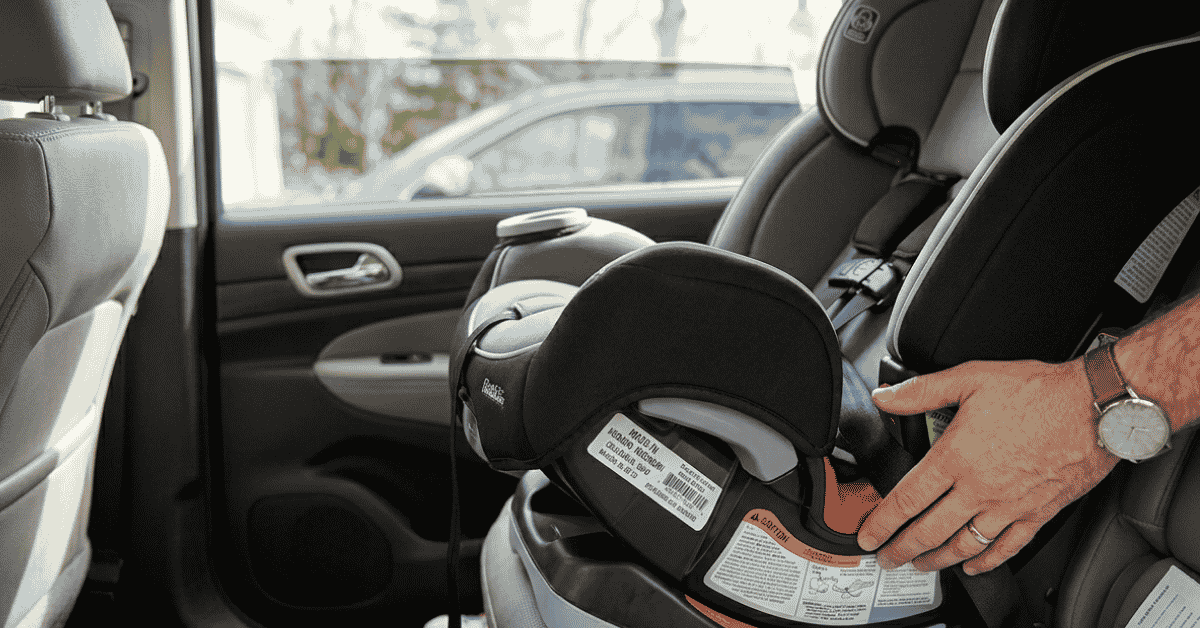
Start on the back of the seat. Look for a white or light tag. You may see the Graco name, model number, date, and place of make.
Some tags may sit on the side or base. Do not stop after one quick look.
Use your phone cam to zoom in. That can make small print much less hard to read. Take a clear shot too. It may help later.
Step 3: Find the country of make
Look for words such as “Made in” or “Country of Origin.” The next word may name the place.
A tag may say “Made in China.” That is the key fact for that seat.
Do not read “Graco” as the place of make. Graco is the brand. The brand can be based in one place while goods are made in another.
This is where I made my own mix-up. I saw the brand name first. I took it as the maker site. The tag told a far more useful tale.
Step 4: Check the model number
Write down the model number. It may sit near the date or name on the tag.
The model number helps you match the seat to the right guide. It can also help if you need parts or care help.
Take a photo of the full tag. Keep it in your phone. I like this trick. You do not need to pull the seat out each time you need the model code.
Step 5: Check the date of make
Look for the date of make too. This date can help you tell the age of the seat.
A seat made years ago may not have the same tag or part set as a newer one. Old stock can also sit in a shop for some time.
Do not use the date you bought the seat. The make date is a better way to track age.
Keep that date with the model number. Both can help if you ask Graco for help.
Step 6: Check Graco’s own site
Use Graco’s own site for the best match. Its site lists its work sites and has help for its goods.
Do not assume each Graco seat has the same source. A plant may make only a set group of goods for a set area.
That is why the seat tag still wins. It tells you the source for the item in your hand.
Step 7: Check the seat as a whole
Do not stop once you find the country. Look at the seat shell, belt, clip, pad, and base.
A seat made in China can still be sold as a Graco seat in the US. The place of make does not, by itself, tell you if a seat is safe or unsafe.
For US use, child seats must meet the safety rules that apply to the US market. A 2018 Graco trade filing also notes the role of US child seat rules under FMVSS 213.
Maintenance & Next Steps
Keep a photo of the seat tag. Save the model code, make date, and place of make in one note.
Check the seat from time to time. Look for wear, cracks, loose parts, or a bad fit. Keep the seat guide close too.
A tiny note can save a lot of time later. Trust me on that.
| Check | Best Time | Note |
|---|---|---|
| Country tag | Once | Take a clear photo |
| Model code | Once | Save in phone |
| Make date | Once | Add to notes |
| Seat shell | Each month | Check for cracks |
| Belt and clip | Each month | Check for wear |
Expected Results & Timeline
The full check can take ten to 20 mins. Most of that time may go into finding the tag.
Start with the back. Check the side and base next. Use a phone cam if the print is too small.
You should end up with three key facts. You want the model. You want the make date. You want the place of make.
Keep those facts in your phone. You may need them for parts, care tips, or a seat life check.
The source can also help you spot old stock. Yet it should not be your only safety check.
Common Mistakes to Avoid
- Mixing brand and source: Graco is the brand. It does not mean every seat is made in the US.
- Trusting old posts: Factory sites and supply chains can change. Check the seat tag first.
- Skipping the model code: The model can help you find the right care guide.
- Reading just one side: Tags may sit on the back, side, or base.
- Using the shop date: The sale date is not the make date.
- Judging safety by country: A place of make alone does not prove seat quality.
- Ignoring the seat’s state: Cracks, wear, and bad fit still need a check.
A trade filing from Graco said its US car seats were sourced from China. Current web reports also describe China-made Graco baby goods being shipped to US stores.
Safety & Precautions
Never buy a used seat with an unknown past. Avoid a seat with crash harm, deep wear, or missing parts.
Check the seat guide for its use life. Follow the fit and belt steps for your car. If the tag is gone, ask Graco for help before use.
FAQs about Where Is Graco Car Seats Made
Are Graco car seats made in China?
Yes, many Graco car seats for the US market have been sourced from China. Graco’s own trade filing said its car seats with and without bases came from China.
Is Graco a US brand?
Yes. Graco is a US brand owned by Newell Brands. Its goods are made through a global supply chain, so the brand’s home and the seat’s make site can differ.
Can I tell the seat’s country from its tag?
Yes. Look for a line that says “Made in” or gives the country of make. The tag may sit on the back, side, or base. Take a photo for your records.
Are China-made Graco car seats safe?
The place of make alone does not show if a seat is safe. Check its US safety label, fit, date, parts, and care guide. A sound fit still matters most.
Does every Graco car seat come from China?
Not every Graco item must come from the same plant. Graco has a global set of sites. Its Suzhou site makes a select group of goods for Asia Pacific markets.
Final Takeaway
Where Is Graco Car Seats Made is not hard to check once you know the key spot. Find the seat tag. Read the country. Save the model and make date.
Many Graco car seats sold in the US have come from China. Graco’s own trade papers back that up.
Still, do not judge a seat by its source alone. Check the full seat. Check its age. Check its fit. Check its past.
That is the smart way to shop and use one.