
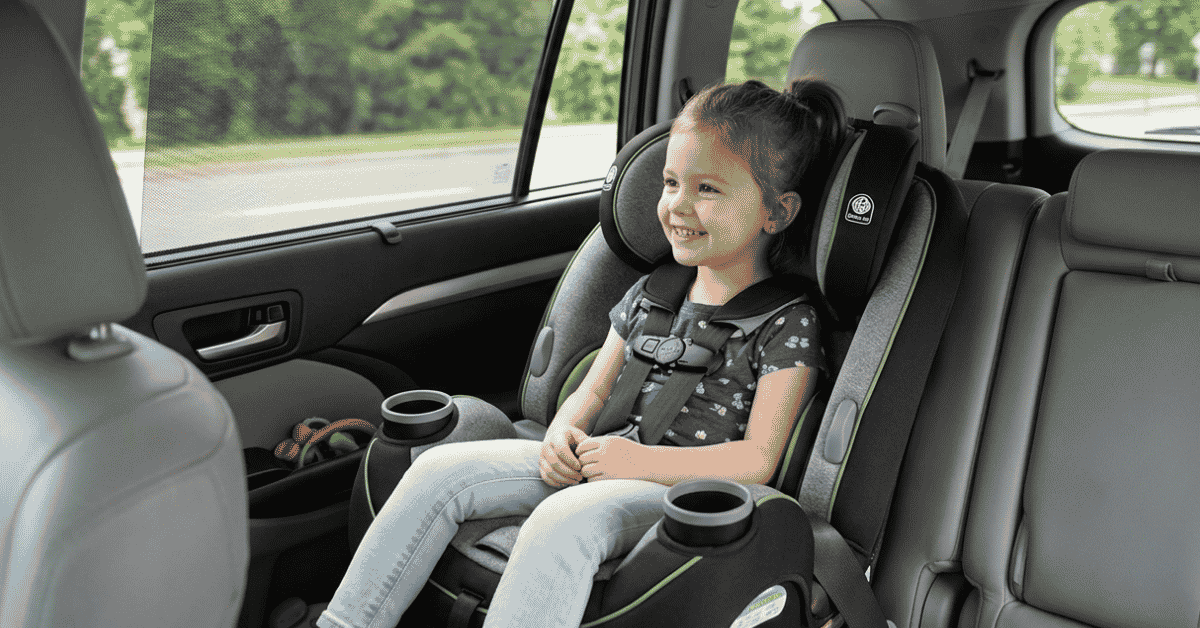
Safety 1st Forward Facing Car Seat tips can help you check fit, straps, size, and setup. Learn the key steps before each ride, trip, or seat change.
Safety 1st Forward Facing Car Seat use can feel odd at first.
The seat seems simple, yet each part has a job.
I once stood by the car and checked twice.
The straps felt firm beneath my hand.
I could hear the buckle snap shut.
That small sound gave me some peace.
Here are the key checks I would use.
Is a Safety 1st Forward Facing Car Seat Right?
I once moved a seat from rear to front.
My hands felt stiff as I checked each strap.
I did not want to rush that first ride.
Safety 1st makes many seat types and lines.
So, each model can have its own rules.
The exact seat guide should be your first check.
Many Safety 1st seats have front-facing modes.
Some are made for more than one stage.
Others may serve only one stage of use.
I found that seat names can feel quite vague.
A quick look at the box may not help.
The model name tells you much more.
I now check the label first each time.
Then I read the size range for that model.
That small habit cuts down guesswork quite a bit.
Life Before I Found This
Before that, I thought front-facing setup seemed easy.
I just thought, “Set it in and buckle.”
Then I learned there were more steps.
The car was warm that day.
The seat cloth felt hot beneath my palm.
A faint scent of dust filled the back seat.
I heard the belt slide through the path.
Then came the hard click of the buckle.
Still, I did not feel sure yet.
The straps looked right, but looks can fool you.
I checked the seat guide once more.
That was the point things got less tense.
A good seat setup needs more than speed.
It needs the right fit for your child.
That part now gets my full focus.
Why This Matters Right Now
Kids grow fast, and car needs can change.
A seat that fit last year may not now.
That makes regular checks worth the time.
Safety 1st offers seats with varied size limits.
Some models use a harness for front-facing use.
Others can later change into booster modes.
The Grow and Go line is one example.
It can serve rear, front, and booster stages.
Its listed front mode starts at 22 pounds.
The top harness limit is 65 pounds. (safety1st.com)
Those numbers show why model checks matter.
A different Safety 1st seat may vary.
I think that is the key point here.
Do not use one model’s rules for another.
Use the guide made for your exact seat.
The First Big Lesson
The first big lesson is fit, not age.
Age can help guide a choice.
Still, size limits matter much more for fit.
Safety 1st lists clear weight and height ranges.
The Grow and Go has a front mode.
That mode starts at 22 pounds.
It goes up to 65 pounds with harness. (safety1st.com)
The child also needs the right strap height.
For front-facing use, straps sit at shoulder height.
The exact seat guide should set that point.
The harness should feel snug on the child.
A loose harness can leave too much slack.
I like to check the fit by hand.
The chest clip also needs the right spot.
It should sit at the chest level.
A good fit should feel firm and even.
That may sound fussy, but I think it helps.
Small checks can make each ride feel calmer.
Small Tactics That Actually Work
I use a short check list before trips.
First, I check the seat model and guide.
Then I check the child’s height and weight.
Next, I check the harness slot height.
The straps should sit at the right level.
I also check for slack near the chest.
Then I check the seat install.
The seat should stay firm after it is set.
The belt path must match the guide.
I also watch for thick coats.
Bulky coats can add space under straps.
That can change the fit of the harness.
I prefer thin layers in the car.
A snug strap should rest close to the child.
I also keep the seat free of loose items.
Toys and bags should not crowd the seat.
A clean seat makes each check much easier.
A Strange Detail I Noticed
One odd thing caught my eye during checks.
The harness can look snug yet still have slack.
A quick glance may not show that gap.
I learned to pinch the strap near the shoulder.
That small check tells me more than looks.
The strap should sit close to the child.
I also noticed the sound of each buckle.
A firm click can feel oddly reassuring.
Still, sound alone cannot prove a good fit.
The same goes for the seat itself.
A seat can look still yet need more work.
That is why I use the manual each time.
Maybe this seems a bit slow at first.
Still, I would rather spend one extra minute.
That minute feels cheap compared with doubt.
Style Comparison & Data
Safety 1st seats can differ by model.
The table below shows one common line.
| Feature | Grow and Go | Main point |
|---|---|---|
| Front mode | 22 to 65 lb | Harness use |
| Rear mode | 5 to 40 lb | Early stage |
| Booster mode | 40 to 100 lb | Later stage |
| Seat type | All-in-one | Long use |
Safety 1st lists these ranges for Grow and Go. (safety1st.com)
These limits do not fit every model.
Always check your seat’s own label and guide.
That is the part I would trust most.
Non-Obvious Gains
A good front-facing setup can bring more calm.
The gains are not just about the seat.
- A snug fit can cut daily stress.
- A set routine can save time.
- Regular checks can catch fit changes.
- Thin clothes can make straps sit close.
- A clean seat makes checks much easier.
I like the routine part the most.
Once the steps feel known, they seem less hard.
You stop guessing and start checking.
That can help on busy school days.
It can help on long road trips too.
Even a quick trip needs the same care.
The best part is peace of mind.
I know I checked each key point before leaving.
Myths vs. My Reality
I used to think age alone set seat mode.
But then I checked the size rules.
Weight and height can matter much more.
I used to think a tight strap felt enough.
But then I learned to check for slack.
A strap should sit close to the child.
I used to think thick coats were harmless.
But then I saw how much space they add.
Now I use thin layers in the car.
I used to think every Safety 1st seat matched.
But then I read each model’s guide.
The rules can differ by seat type.
I used to rush checks on short trips.
But then I changed that habit.
A short ride still needs a good fit.
Now, I use the same check each time.
It feels plain, but plain can be good.
Essential Principles for Mastery
I use five rules for front-facing seat checks.
They keep the task simple and clear.
1. Start with the exact model.
Find the model name on the seat.
Do not rely on a brand name alone.
2. Check the size range.
Use the listed weight and height limits.
Never guess based on age alone.
3. Set the harness height.
Front-facing straps should sit at shoulder height.
Use the manual for the exact slot.
4. Check for strap slack.
The harness should fit close to your child.
The chest clip should sit at chest level.
5. Check the full install.
Use the belt path shown in the guide.
Make sure the seat stays firm after install.
I also keep the seat guide close by.
The paper may look plain and dull.
Still, it can save time during a doubt.
I like to check the seat in daylight.
Bright light makes small strap gaps easier to spot.
A quiet room helps me stay calm.
That is my whole goal with seat care.
Make each check slow, clear, and repeatable.
FAQs about Safety 1st Forward Facing Car Seat
Can a Safety 1st car seat face forward?
Yes, many Safety 1st seats have a forward-facing mode. The exact limits vary by model. Check the seat label and manual for its weight, height, and harness rules before each change. (safety1st.com)
What weight can a Safety 1st forward-facing seat hold?
The limit depends on the seat model. For example, the Grow and Go allows front-facing harness use from 22 to 65 pounds. Other Safety 1st seats may have a lower or higher limit. (safety1st.com)
Should the harness be tight for front-facing use?
Yes, the harness should fit snugly against the child. It should not have loose slack near the chest or shoulders. Use the seat guide to set the strap height and chest clip spot.
Can a child wear a thick coat in the seat?
Thick coats can add space beneath the harness. That may affect the snug fit you need. Thin layers are a better choice for car rides, with a coat or blanket placed over the straps.
Should I check the seat before each trip?
Yes, I think a quick check is worth it. Look at the harness, buckle, seat fit, and belt path. A short check can help spot loose straps or a change in fit.
My Final Takeaway
A Safety 1st Forward Facing Car Seat need not feel hard.
The key is to follow the exact seat guide.
Check size, straps, buckle, and seat fit.
Do not rush those few small steps.
I like a calm check before each ride.
It takes little time once the habit sticks.
Maybe that sounds too simple to matter.
For me, simple checks bring the most peace.