
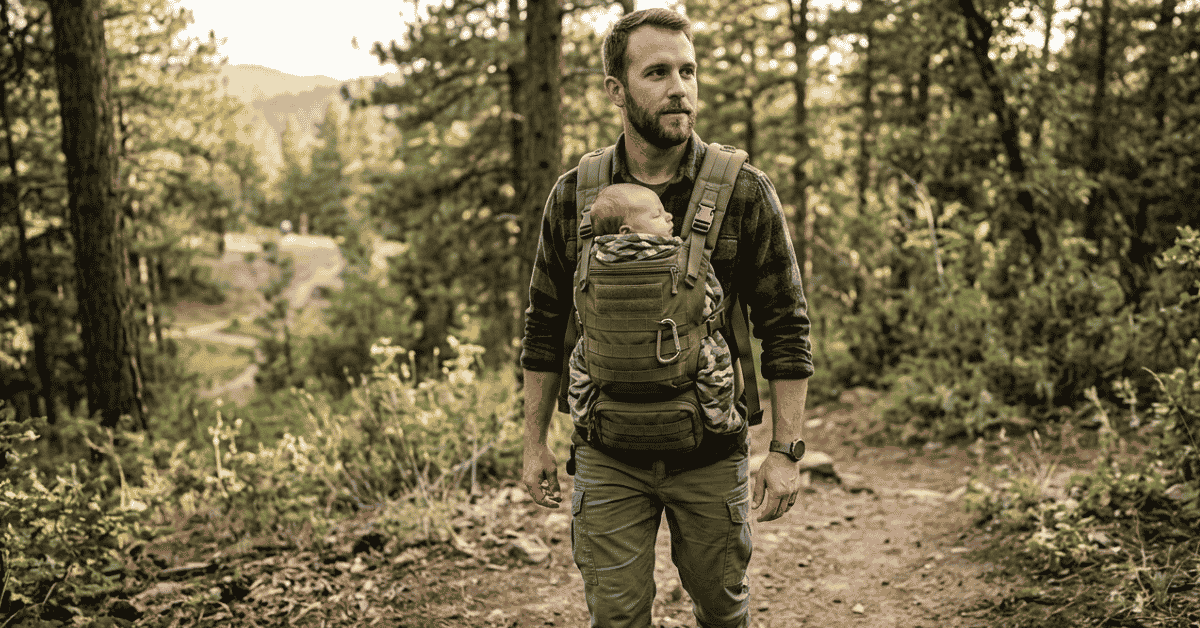
tactical baby carrier newborn options give parents hands-free mobility, secure support, and practical features for daily adventures. Learn what matters most.
I first noticed a tactical-style baby carrier during an outdoor community event. It looked different from traditional carriers. The design appeared rugged. The storage options stood out immediately. More importantly, the baby looked comfortable and secure. That experience sparked my interest in learning how a tactical baby carrier newborn setup compares with standard baby carriers. This guide explains the benefits, features, safety considerations, and buying factors that parents should understand before making a purchase.
Is a Tactical Baby Carrier Newborn Model Worth Considering?
Many parents want a carrier that supports daily movement while keeping essential items close at hand. Traditional carriers often focus primarily on baby support. Tactical-style carriers frequently add utility features such as attachment points, storage options, and durable materials.
That combination appeals to active families. Parents who enjoy hiking, outdoor events, travel, or long walks may appreciate having quick access to supplies without carrying multiple bags. At the same time, comfort and safety should remain the highest priorities when evaluating any newborn carrier.
Reasons Parents Explore Tactical Carriers
Several benefits attract attention.
Common examples include:
- Hands-free mobility
- Storage flexibility
- Durable construction
- Outdoor convenience
- Adjustable support
- Practical design
Situations Where They May Be Useful
Parents often use carriers during:
- Nature walks
- Community events
- Shopping trips
- Family travel
- Daily errands
Common Benefits Overview
| Benefit | Why Parents Like It |
|---|---|
| Utility features | Added convenience |
| Storage options | Quick access |
| Durable materials | Long-term use |
| Adjustable fit | Better comfort |
| Hands-free design | Greater flexibility |
A tactical carrier should still prioritize infant support above every other feature.
Tactical Baby Carrier Newborn Features That Matter Most
Not all tactical carriers are created equally. Some focus heavily on appearance. Others place greater emphasis on comfort and functionality. Parents should evaluate features carefully before making a decision.
During my research, I found that comfort often determines whether a carrier becomes a daily tool or sits unused in a closet. A newborn requires careful positioning and support. Features that improve fit and stability deserve close attention.
Adjustable Shoulder Straps
Adjustable straps help provide:
- Better weight distribution
- Improved support
- Enhanced comfort
- Customized fit
Supportive Waist Belt
A strong waist section can reduce shoulder strain.
Potential advantages include:
- Better balance
- Increased comfort
- Reduced fatigue
Durable Construction Materials
Many tactical carriers use stronger materials than standard fashion-focused designs.
Benefits may include:
- Better durability
- Extended lifespan
- Outdoor suitability
Storage and Attachment Areas
Some tactical designs include:
- Small storage pockets
- Attachment loops
- Accessory mounting areas
These features can improve convenience during outings.
Features Worth Comparing
| Feature | Practical Benefit |
|---|---|
| Adjustable straps | Personalized fit |
| Waist support | Weight management |
| Durable fabric | Long-term use |
| Storage pockets | Accessibility |
| Newborn support | Safety and comfort |
Utility features are helpful, but baby support should always come first.
Questions Before Buying
Ask yourself:
- Is it approved for newborn use?
- Does it provide head support?
- Can it adjust as the baby grows?
- Is the weight range appropriate?
Careful evaluation helps narrow the options.
How to Use a Tactical Baby Carrier Newborn Setup Safely
Safety should always guide carrier use. A tactical appearance does not change the basic principles of infant positioning. Newborns require careful support, especially during the early months of development.
I recommend spending time practicing before using a carrier during longer outings. Learning adjustment points and buckle locations helps build confidence. Small positioning changes can significantly improve comfort and support.
Step 1: Read All Instructions
Start with:
- User manual
- Safety guidance
- Weight recommendations
Manufacturer instructions should always take priority.
Step 2: Adjust the Carrier First
Before placing the baby inside:
- Tighten straps
- Position waist belt
- Secure buckles
Step 3: Position the Newborn Properly
Verify:
- Face remains visible
- Chin stays clear
- Airway remains open
Proper breathing access is essential.
Step 4: Confirm Full Support
Check:
- Neck support
- Head positioning
- Stable posture
The baby should remain close and secure.
Step 5: Perform a Final Inspection
Before walking:
- Confirm buckle engagement
- Review strap tension
- Check comfort
Common Mistakes to Avoid
Avoid:
- Loose straps
- Blocked airways
- Incorrect positioning
- Ignoring weight limits
- Skipping safety checks
Quick Safety Checklist
| Safety Item | Check |
|---|---|
| Airway visible | Yes |
| Head supported | Yes |
| Straps adjusted | Yes |
| Buckles secure | Yes |
| Weight limits followed | Yes |
A quick review can help create safer habits.
Getting the Most Value From a Tactical Baby Carrier Newborn Product
A good carrier can support daily parenting activities for months or even years. Proper care helps maintain safety, comfort, and appearance. Consistent maintenance also protects your investment over time.
I like to inspect carriers regularly because they experience frequent movement, pressure, and environmental exposure. Catching small issues early often prevents larger problems later. Most inspections require only a few minutes.
Monthly Inspection Routine
Look for:
- Worn stitching
- Frayed straps
- Damaged buckles
- Fabric tears
- Loose hardware
Cleaning Tips
Follow manufacturer recommendations.
Generally:
- Use mild cleaning products
- Avoid harsh chemicals
- Inspect after washing
- Allow proper drying
Proper Storage Practices
Store the carrier:
- In a dry location
- Away from direct sunlight
- Protected from moisture
Signs It May Need Replacement
Watch for:
- Structural damage
- Hardware failure
- Excessive wear
- Safety concerns
Smart Buying Advice
Before purchasing:
- Verify newborn compatibility.
- Review weight requirements.
- Compare support features.
- Check adjustment systems.
- Evaluate long-term usability.
The best tactical baby carrier newborn option balances durability, comfort, and safety. Utility features may add convenience, but proper infant support should always remain the deciding factor. A well-designed carrier can make everyday parenting activities much easier while keeping your baby close and secure.
Frequently Asked Questions
Can newborns safely use tactical baby carriers?
Yes, if the carrier is specifically approved for newborn use and provides proper head, neck, and airway support.
Are tactical baby carriers different from standard carriers?
Many include additional storage, attachment points, and rugged materials while still providing baby-carrying functionality.
How should a newborn be positioned in a carrier?
The baby’s face should remain visible, the airway should stay clear, and the neck should receive proper support.
Can tactical carriers be used for hiking and travel?
Many parents use them during outdoor activities, but proper fit and safety checks should always come first.
How often should I inspect a tactical baby carrier?
Monthly inspections help identify worn straps, damaged buckles, or other issues before they affect performance.