
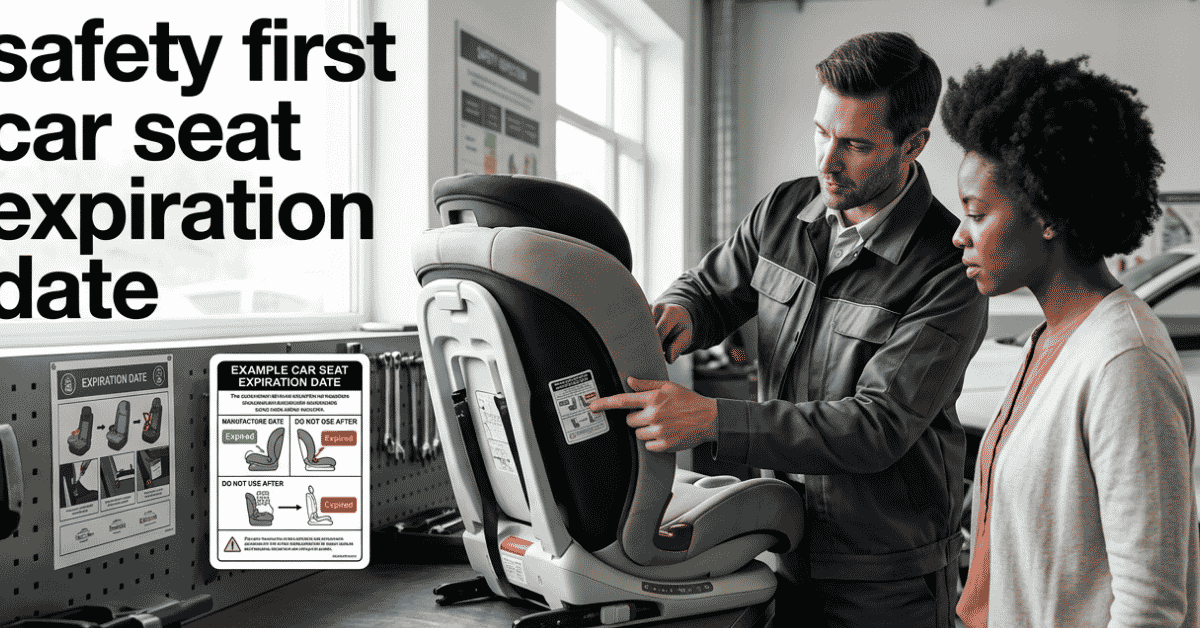
Safety first car seat expiration date is something many parents overlook until they need the information quickly. I remember helping a family member install a car seat before a road trip and noticing a date stamped on the shell. That small detail sparked several questions. Was the seat still safe? Had it expired? Could it still be used legally? Many parents face the same uncertainty. This guide explains how expiration dates work, where to find them, and why they matter for your child’s safety.
What Does Safety First Car Seat Expiration Date Mean?
Many parents assume a car seat remains safe forever if it looks fine. That assumption can create risks. Car seats are designed to protect children during crashes, but materials age over time. Plastic weakens, straps wear down, and safety standards change. Manufacturers place expiration dates on seats to account for these factors. Safety First follows industry practices by assigning a usable lifespan to each model. Understanding the expiration date helps parents make informed decisions and avoid using outdated equipment. A quick inspection today may reveal information that directly affects your child’s safety during daily travel.
Why Car Seats Expire
Several factors contribute to expiration.
Common reasons include:
- Material aging
- Plastic breakdown
- Wear from daily use
- Exposure to heat and sunlight
- Updated safety standards
Even careful use cannot stop normal aging.
Safety Concerns Behind Expiration Dates
Over time, important components may weaken.
Examples include:
- Harness straps
- Buckles
- Energy-absorbing foam
- Plastic shells
These parts play a key role during collisions.
Industry-Wide Practice
Expiration dates are not unique to Safety First.
Most major manufacturers apply similar guidelines.
Examples include:
- Convertible car seats
- Infant car seats
- Booster seats
Expiration policies are standard throughout the child safety industry.
Why Parents Should Check
A quick inspection can prevent problems.
Benefits include:
- Improved safety
- Better compliance
- Increased confidence
- Easier replacement planning
Knowing the date removes uncertainty.
How to Find the Safety First Car Seat Expiration Date
Many parents expect expiration information to appear clearly on the front of the seat. In reality, locating it sometimes requires a closer look. Fortunately, Safety First usually provides the information in several places. The exact location varies by model. Some seats display the expiration date directly. Others list the manufacturing date and expected lifespan. Understanding both methods helps parents determine whether a seat remains within its approved service period. Taking a few minutes to inspect the seat carefully can provide the answer without needing customer support assistance.
Check the Product Label
Most Safety First seats include a manufacturer label.
Look for:
- Side panels
- Seat bottom
- Rear shell sections
The label often contains important identification details.
Look for Manufacturing Information
Some models list:
- Date of manufacture
- Model number
- Serial number
The expiration date may be calculated using these details.
Read the Owner’s Manual
The manual often explains lifespan information.
Useful sections include:
| Manual Section | Information Provided |
|---|---|
| Product Details | Model information |
| Safety Warnings | Usage limits |
| Maintenance | Care guidelines |
| Lifespan Rules | Expiration period |
Keep the manual whenever possible.
Contact Customer Support
If information remains unclear:
- Locate the model number.
- Record the serial number.
- Contact Safety First support.
They can often verify expiration details quickly.
Why Expired Car Seats Should Not Be Used
Parents sometimes feel tempted to keep using an older seat if it appears undamaged. That decision can create unnecessary risk. Physical appearance rarely reveals hidden wear. A seat exposed to years of temperature changes, sunlight, and daily use may not perform as originally designed. Safety testing applies to products within their intended lifespan. Once that period ends, performance becomes less predictable. Child passenger safety experts consistently recommend replacing expired seats. Understanding the reasons behind that recommendation helps parents make safer choices and avoid relying on equipment that may no longer offer full protection.
Material Degradation
Plastic changes over time.
Repeated exposure to:
- Heat
- Cold
- Sunlight
- Humidity
can affect structural integrity.
Outdated Safety Standards
Safety technology evolves.
Newer seats may include:
- Improved side-impact protection
- Better harness systems
- Updated crash performance
Older seats may lack these improvements.
Missing Parts and Wear
Years of use can lead to:
- Frayed straps
- Worn buckles
- Missing components
These issues may reduce effectiveness.
Liability and Compliance Issues
Some organizations discourage use of expired seats.
Examples include:
- Childcare providers
- Transportation programs
- Safety inspection events
Using current equipment helps avoid concerns.
Best Practices for Replacing an Expired Safety First Car Seat
Replacing a car seat does not need to feel overwhelming. A little planning makes the process much easier. Parents who check expiration dates regularly can budget for replacement well before the deadline arrives. Modern car seats offer improved safety features and convenience compared with many older models. Shopping early also allows time for research instead of making a rushed purchase. The goal is not simply replacing old equipment. The goal is ensuring continued protection that matches current safety recommendations and your child’s changing size and developmental needs.
Check Dates Regularly
Create a simple reminder.
Good times to check include:
- Birthdays
- Seasonal vehicle maintenance
- Holiday travel preparation
Routine checks prevent surprises.
Choose the Right Replacement
Consider your child’s:
- Age
- Height
- Weight
Select a seat that fits both your child and vehicle.
Register the New Seat
Registration provides important benefits.
These include:
- Recall notifications
- Safety updates
- Manufacturer communication
Registration only takes a few minutes.
Dispose of Expired Seats Properly
Prevent accidental reuse.
Recommended steps:
- Remove the harness.
- Mark the seat as expired.
- Follow local disposal guidance.
This helps protect other families.
Final Thoughts
The Safety First car seat expiration date plays an important role in child passenger safety. Car seats are designed with a specific service life because materials, components, and safety standards change over time. Parents should regularly inspect labels, review manuals, and confirm expiration information before continued use. Replacing an expired seat may feel inconvenient, but it helps ensure that children receive the protection modern safety systems are designed to provide. A few minutes spent checking today can provide valuable peace of mind tomorrow.
FAQs
How long does a Safety First car seat usually last?
Many Safety First car seats last between six and ten years, depending on the model and manufacturer guidelines.
Where can I find the expiration date on my Safety First car seat?
Look on the manufacturer label, seat shell, bottom section, or inside the owner’s manual for lifespan information.
Can I use a Safety First car seat after it expires?
Safety experts recommend replacing expired seats because aging materials and outdated standards may affect protection.
Does sunlight affect a car seat’s lifespan?
Yes. Long-term exposure to sunlight and heat can contribute to material wear and gradual deterioration over time.
Should I buy a used Safety First car seat?
Only if you can verify its history, condition, recall status, and expiration date before use.