
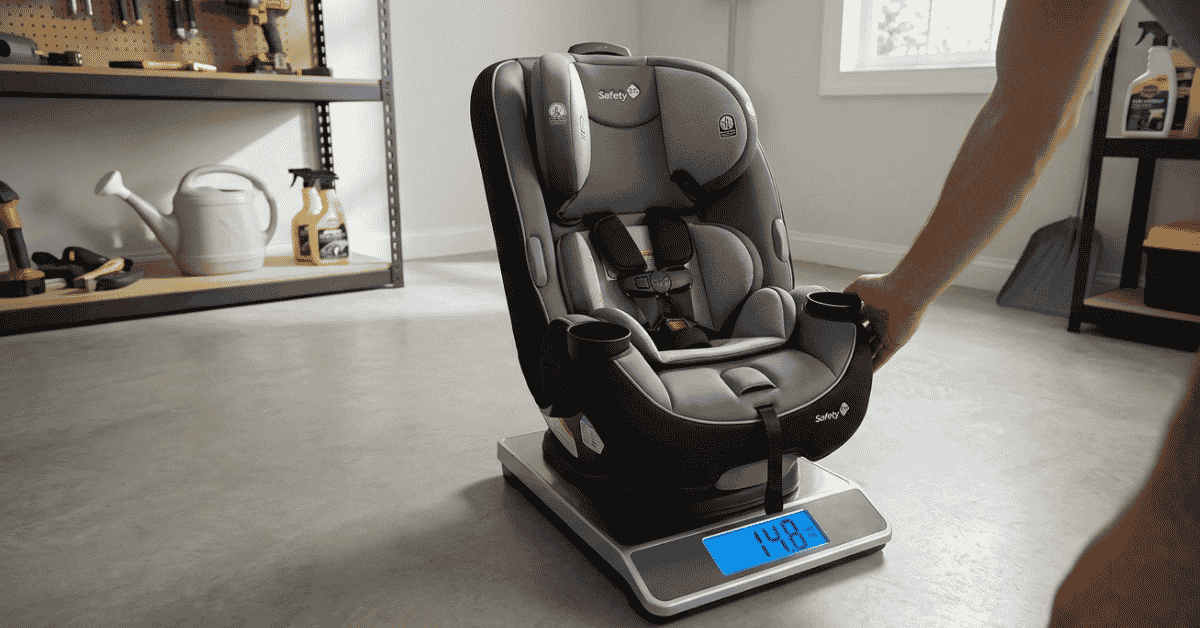
how much does a safety first car seat weigh is a common question for parents comparing travel ease, safety, and everyday convenience. Find the details here.
How much does a safety first car seat weigh became something I researched before a family flight. I wanted a seat that offered strong protection without becoming a burden during travel. After comparing several models, I noticed that weight varies more than most parents expect. Some Safety 1st car seats are light enough for frequent travel, while others focus on long-term use and naturally weigh more. This guide explains typical weight ranges, factors that affect weight, travel considerations, and buying tips that help parents choose the right seat.
How Much Does a Safety First Car Seat Weigh?
Many parents expect a simple answer. The reality is that Safety 1st offers several types of car seats, and each category has a different weight range. Infant seats tend to weigh less, while convertible and all-in-one models usually weigh more because they include additional safety structures and adjustment features.
The first time I lifted a convertible seat into my vehicle, I immediately noticed the difference compared to an infant carrier. That experience taught me why understanding car seat weight matters before making a purchase.
Typical Weight Ranges by Category
Most Safety 1st seats fall into these general ranges:
| Car Seat Type | Approximate Weight |
|---|---|
| Infant Car Seat | 8 to 12 pounds |
| Convertible Car Seat | 14 to 22 pounds |
| All-in-One Car Seat | 18 to 30 pounds |
| Booster Seat | 8 to 15 pounds |
Specific models may vary.
Why Weight Matters
Car seat weight affects daily use.
Important areas include:
- Vehicle transfers
- Air travel
- Installation effort
- Storage convenience
- Carrying comfort
A lighter seat often feels easier to manage during busy schedules.
Different Models Have Different Goals
Manufacturers design seats for different needs.
Examples include:
- Travel convenience
- Extended rear-facing use
- Multi-stage growth
- Advanced side-impact protection
Extra features often add weight.
Factors That Affect Safety 1st Car Seat Weight
Car seat weight does not happen by accident. Every pound usually serves a purpose. Understanding those factors helps parents compare models more effectively.
I once assumed the heaviest seat would automatically be the safest. After reading specifications and testing several options, I realized the relationship is not that simple. Weight often reflects design choices rather than safety alone.
Frame Construction
The internal frame contributes significantly to total weight.
Common materials include:
- Reinforced plastic
- Steel components
- Energy-absorbing structures
- Impact-resistant materials
Stronger structures often increase overall weight.
Safety Features
Additional protection systems require more materials.
Features may include:
- Side-impact protection
- Adjustable headrests
- Energy management systems
- Reinforced shells
Each feature can slightly increase the final weight.
Multi-Stage Functionality
Convertible and all-in-one seats generally weigh more.
These models support:
- Rear-facing use
- Forward-facing use
- Booster mode
Supporting several growth stages requires additional components.
Padding and Comfort Systems
Comfort features also affect weight.
Examples include:
- Extra cushioning
- Memory foam inserts
- Adjustable support pillows
- Premium fabrics
Parents often appreciate these additions during long trips.
Adjustment Mechanisms
Modern seats offer multiple adjustment points.
Common systems include:
- Recline settings
- Height adjustments
- Harness positions
- Headrest controls
Greater flexibility often adds weight.
Is a Lighter or Heavier Car Seat Better?
Many parents ask whether a lighter seat or a heavier seat is the better choice. The answer depends on how the seat will be used. Both options offer advantages.
I discovered this while helping a relative choose a seat for frequent flights. Their priorities differed completely from a family that planned to leave the seat installed permanently.
Benefits of Lightweight Car Seats
Lighter seats often work well for active families.
Advantages include:
- Easier carrying
- Simpler travel
- Faster vehicle transfers
- Less physical strain
These benefits matter when moving the seat often.
Benefits of Heavier Car Seats
Heavier seats may offer additional features.
Potential advantages include:
- More adjustment options
- Larger size ranges
- Enhanced comfort systems
- Longer usage periods
Many families appreciate these features for daily use.
Travel Considerations
Frequent travelers often focus on portability.
Helpful factors include:
- Airport navigation
- Rental car transfers
- Storage convenience
- Carrying distance
Weight becomes more noticeable during travel days.
Daily Installation Considerations
A permanently installed seat creates different priorities.
Parents may care more about:
- Long-term comfort
- Growth adaptability
- Feature availability
- Ease of adjustment
Weight matters less when the seat rarely moves.
Finding the Right Balance
Most families benefit from balancing:
- Safety
- Comfort
- Portability
- Budget
- Longevity
The best choice depends on individual needs.
Tips for Choosing the Right Safety 1st Car Seat
Buying a car seat involves more than comparing weight numbers. Parents should evaluate how the seat fits their lifestyle, vehicle, and long-term plans.
A neighbor once purchased a seat based entirely on online reviews. After a few weeks, they realized it felt too bulky for their small vehicle. A little planning beforehand could have prevented that frustration.
Consider Your Child’s Age
Different ages require different seat types.
Common categories include:
- Infant seats
- Convertible seats
- All-in-one seats
- Booster seats
Choosing the proper category narrows your options.
Think About Vehicle Size
Vehicle dimensions matter.
Check:
- Rear seat space
- Door openings
- Cargo capacity
- Seating layout
A large seat may not fit comfortably in every vehicle.
Evaluate Travel Needs
Travel habits influence priorities.
Frequent travelers may prefer:
- Lower weight
- Compact dimensions
- Easier carrying
Families that stay local may focus on other features.
Compare Installation Systems
Ease of installation affects daily convenience.
Look for:
- Clear instructions
- Easy harness adjustments
- User-friendly connectors
- Simple positioning systems
Complicated installation often causes frustration.
Review Weight Limits
Every seat has different limits.
Compare:
- Rear-facing limits
- Forward-facing limits
- Booster limits
- Overall lifespan
A wider range may provide longer usability.
Check Cleaning Requirements
Children create messes.
Helpful features include:
- Removable covers
- Machine-washable fabrics
- Easy-clean surfaces
- Accessible components
Simple cleaning saves time.
Focus on Real-World Use
Marketing materials highlight features. Daily life reveals practicality.
Ask yourself:
- Will I move the seat often?
- Do I travel regularly?
- How much vehicle space do I have?
- How long do I plan to use this seat?
These answers often guide the best decision.
Safety 1st offers car seats across several categories, which explains why weight varies so much from model to model. Some seats prioritize portability, while others focus on long-term growth and added features. Rather than searching for the lightest or heaviest option, parents should focus on how the seat fits their lifestyle. Understanding weight, comfort, installation needs, and travel habits helps create a smarter purchase decision that supports both safety and convenience for years to come.
Frequently Asked Questions
How much does a Safety 1st infant car seat weigh?
Most Safety 1st infant car seats weigh roughly 8 to 12 pounds before adding the child, though exact specifications vary by model.
Are Safety 1st convertible car seats heavier than infant seats?
Yes. Convertible models usually weigh more because they support multiple stages and include additional structural and adjustment features.
Does a heavier car seat mean it is safer?
Not necessarily. Safety depends on proper design, testing, installation, and correct use rather than weight alone.
Which Safety 1st car seat is best for travel?
Many parents prefer lighter infant or compact convertible models for travel because they are easier to carry and transfer.
Should car seat weight affect my buying decision?
Yes. Weight can influence portability, installation ease, travel convenience, and daily handling, especially for active families.