
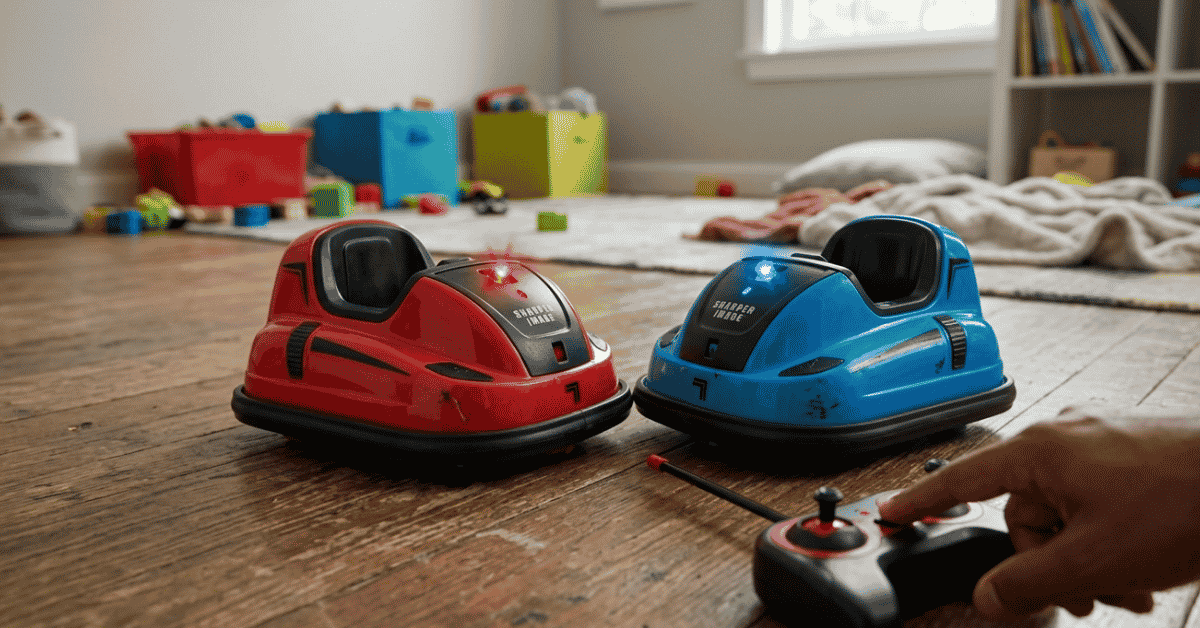
sharper image bumper cars not pairing can ruin playtime. Learn common causes, fixes, and troubleshooting steps that actually help.
sharper image bumper cars not pairing became a frustrating problem one Saturday afternoon when my family planned a mini indoor race. Batteries were charged. Cars were ready. Excitement filled the room. Then nothing worked. One car connected. The other refused. After spending time testing solutions, reading manuals, and troubleshooting, I discovered several common causes. This guide shares practical fixes, realistic troubleshooting methods, and tips that may help get your bumper cars working again.
Sharper Image Bumper Cars Not Pairing Often Has Simple Causes
Technology loves bad timing.
Toy electronics seem especially good at it.
The first thing I learned was that pairing problems do not always mean something is broken. Small issues often create connection failures.
That realization helped.
Panic didn’t.
My First Troubleshooting Mistake
I immediately assumed the batteries were dead.
Wrong guess.
Fresh batteries changed nothing.
The real issue involved a missed startup step that interrupted the connection process.
Many owners make similar assumptions.
Common Reasons Pairing Fails
Several causes appear repeatedly:
- Weak batteries
- Improper startup sequence
- Signal interference
- Remote synchronization issues
- Power connection problems
- Damaged battery contacts
Simple issues account for many pairing failures.
Understanding the Pairing Process
Most remote-controlled bumper cars use a basic communication system.
The vehicle and controller must recognize each other before operation begins.
If either device fails during startup, pairing may not complete successfully.
That interruption stops communication.
Why Patience Helps
Many people rush.
I did.
Turning devices on and off repeatedly often creates more confusion.
A slow, methodical approach usually works better.
Battery Problems and Power Issues You Should Check First
Power remains the most common suspect.
And for good reason.
Weak batteries create strange electronic behavior.
Inspect Every Battery
Never assume batteries are fully charged.
Check:
- Car batteries
- Remote batteries
- Rechargeable packs
- Charging cables
One weak component can disrupt the entire system.
Verify Proper Installation
Battery orientation matters.
A single misplaced battery may prevent startup.
Look carefully at positive and negative markings.
Tiny mistakes happen surprisingly often.
Examine Battery Contacts
Corrosion creates problems.
Dust creates problems.
Bent contacts create problems.
Inspect connection points for:
- Dirt
- Rust
- Damage
- Loose fittings
Clean contacts improve reliability.
Battery Troubleshooting Checklist
| Check Item | Why It Matters |
|---|---|
| Battery charge | Supports stable power |
| Battery placement | Ensures correct operation |
| Contact condition | Improves connection |
| Charger function | Maintains battery health |
| Power indicators | Helps identify issues |
Power problems frequently disguise themselves as pairing failures.
Replace Questionable Batteries
Sometimes batteries appear fine.
Yet performance remains weak.
Testing with fresh replacements often eliminates uncertainty.
That simple step solved one of my issues immediately.
Effective Pairing Fixes That Actually Worked
After checking power, focus shifts to synchronization.
This stage often resolves stubborn connection issues.
Follow the Exact Startup Order
Sequence matters.
Many bumper cars require a specific order.
A common process includes:
- Turn off everything.
- Power on the car.
- Wait several seconds.
- Turn on the controller.
- Allow pairing to complete.
Rushing steps may interrupt synchronization.
Reset Both Devices
Electronic devices sometimes benefit from a reset.
Try:
- Powering everything off
- Removing batteries briefly
- Waiting one minute
- Reinstalling batteries
- Restarting the pairing process
This method often clears temporary issues.
Reduce Signal Interference
Modern homes contain many wireless devices.
Potential sources include:
- Wi-Fi routers
- Bluetooth devices
- Wireless speakers
- Gaming accessories
Moving away from crowded electronic areas may help.
Test One Vehicle at a Time
Multiple devices can create confusion.
Pair a single bumper car first.
Verify operation.
Then connect additional vehicles if needed.
This method isolates potential problems.
Read Indicator Lights Carefully
Many toy vehicles include status lights.
Those lights often reveal valuable clues.
Blinking patterns may indicate:
- Pairing mode
- Charging status
- Battery problems
- Connection failures
Pay attention to visual signals.
Preventing Future Pairing Problems
Fixing the issue feels great.
Preventing it feels even better.
A few habits can improve reliability over time.
Store Equipment Properly
Storage affects electronics.
Keep bumper cars in:
- Dry locations
- Moderate temperatures
- Dust-free environments
Extreme conditions can damage sensitive components.
Charge Batteries Regularly
Rechargeable batteries perform best with consistent maintenance.
Long periods without charging may reduce performance.
Regular charging supports reliability.
Handle Controllers Carefully
Controllers receive plenty of abuse.
Drops happen.
Impacts happen.
Gentle handling helps extend lifespan.
Create a Startup Routine
Consistency reduces mistakes.
I now follow the same sequence every time:
- Check batteries
- Turn on the vehicle
- Wait briefly
- Activate the controller
- Confirm connection
Routine prevents confusion.
Keep Manuals Accessible
Most people lose manuals.
Then trouble appears.
Digital copies can save time when troubleshooting.
Easy access helps.
My Most Useful Discovery
One issue fooled me repeatedly.
A partially charged battery powered the lights but lacked enough strength for stable pairing.
Everything looked normal.
Nothing connected.
Replacing the battery solved the problem instantly.
That experience taught me an important lesson.
Appearances can mislead.
The Reality of Electronic Toys
Electronic toys occasionally misbehave.
Even quality products experience connection issues.
Most pairing problems trace back to power, startup sequence, or interference.
Fortunately, those issues usually have straightforward solutions.
Final Thoughts
Sharper Image bumper cars not pairing can feel frustrating, especially when children are eager to play. My experience showed that the problem often stems from simple causes rather than major hardware failures.
Start with batteries. Verify startup procedures. Reduce interference. Follow troubleshooting steps carefully.
Patience often solves more problems than force.
A few minutes of systematic testing may be all it takes to get the bumper cars moving again.
Frequently Asked Questions
Why are my Sharper Image bumper cars not pairing?
Weak batteries, incorrect startup order, signal interference, damaged battery contacts, or synchronization issues commonly cause pairing failures.
Can low batteries cause Sharper Image bumper cars not pairing?
Yes. Batteries may power lights and sounds while still lacking enough strength to maintain a stable connection between the car and controller.
How do I reset Sharper Image bumper cars for pairing?
Turn off all devices, remove batteries briefly, reinstall them, and restart the pairing process using the recommended startup sequence.
Can wireless interference affect bumper car pairing?
Yes. Nearby Bluetooth devices, Wi-Fi routers, and wireless electronics may occasionally interfere with signal communication during pairing.
What should I check first when bumper cars won’t connect?
Begin with battery charge levels, battery installation, power indicators, and proper startup procedures before investigating more complex causes.