
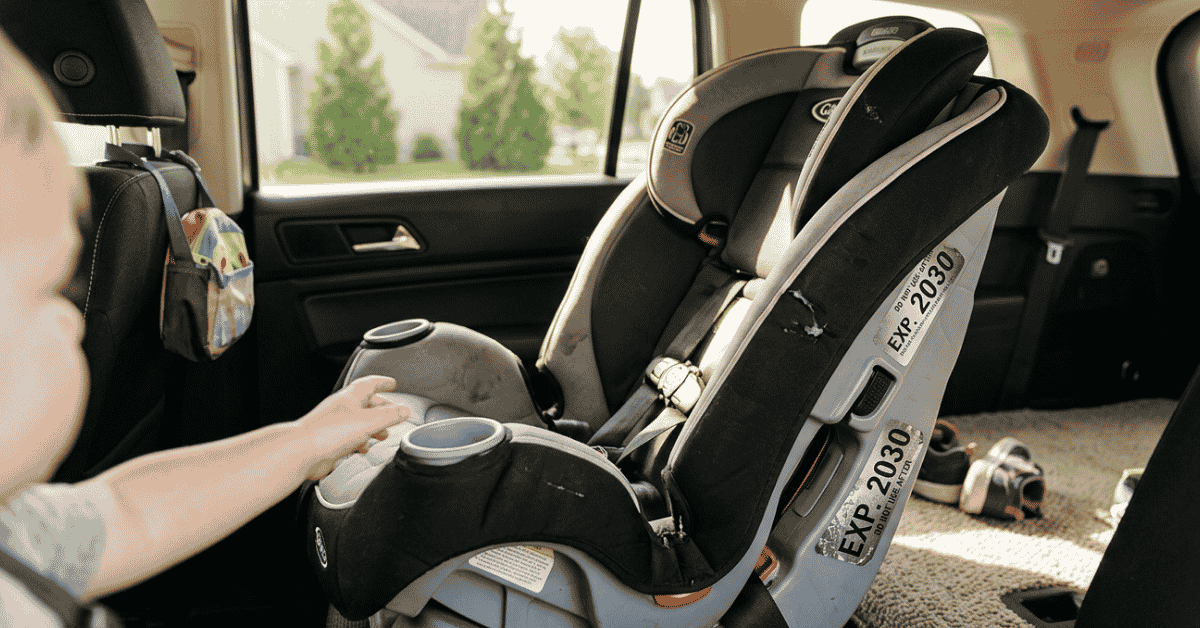
how long do graco car seats last is one of the most common questions parents ask after purchasing a child safety seat. I first heard it from a neighbor cleaning out a garage. She found an old car seat that looked almost new and wondered if it was still safe to use.
The answer is not based on appearance alone. Every car seat has an expiration period. Understanding that timeline helps protect children and ensures compliance with safety recommendations. This guide explains expiration dates, reasons seats expire, warning signs to watch for, and practical tips for parents.
How Long Do Graco Car Seats Last After Purchase?
Many parents assume a car seat remains usable indefinitely if it appears undamaged. That belief is understandable. A seat may look perfectly fine years after purchase. Yet manufacturers establish expiration periods for important reasons.
Most Graco car seats typically last between seven and ten years, depending on the specific model. The exact expiration date is usually printed on a label attached to the seat or listed in the product manual. Safety standards evolve over time, and materials naturally age. A car seat that meets requirements today may not provide the same level of protection years later. Checking expiration information remains one of the most important responsibilities for caregivers.
Expiration Dates Vary by Model
Different seats have different lifespans.
Factors include:
- Design type
- Materials used
- Manufacturing date
- Product category
Always verify your specific model.
Where to Find the Expiration Date
Most Graco seats include information on:
- Product labels
- Molded plastic markings
- Owner manuals
The date is often easy to locate.
Typical Lifespan Overview
| Car Seat Type | Common Lifespan |
|---|---|
| Infant Seat | 7-10 Years |
| Convertible Seat | 7-10 Years |
| Booster Seat | Up to 10 Years |
| All-in-One Seat | Often 10 Years |
Individual models may differ.
Why Do Graco Car Seats Expire?
Expiration dates sometimes confuse parents. The plastic shell often appears strong even after years of use. However, car seats experience environmental stress that may not be visible.
I once examined an older seat stored in a garage for years. It looked clean and intact. Yet prolonged exposure to temperature changes had affected some materials. Small changes can occur gradually. Manufacturers account for these risks when establishing expiration guidelines. The goal is to maintain a predictable level of protection throughout the seat’s approved lifespan.
Material Degradation
Car seats contain materials that age over time.
Examples include:
- Plastic components
- Foam materials
- Fabric elements
- Harness systems
Aging may affect performance.
Changing Safety Standards
Child passenger safety continues to evolve.
Updates may include:
- New testing procedures
- Improved design requirements
- Enhanced protection standards
Older products may not reflect current recommendations.
Wear and Tear
Daily use creates stress.
Common sources include:
- Sun exposure
- Temperature changes
- Repeated adjustments
- Frequent travel
These factors contribute to long-term aging.
Unknown History Risks
Second-hand seats may have hidden issues.
Potential concerns include:
- Previous accidents
- Missing parts
- Improper storage
- Unverified repairs
History matters when evaluating safety.
Signs a Graco Car Seat Should No Longer Be Used
Expiration dates provide an important guideline, but other factors can also make a seat unsuitable for continued use. Regular inspection helps identify potential concerns before they become serious problems.
A family friend once discovered a damaged harness component during a routine cleaning. The issue might have gone unnoticed during daily use. That experience reinforced the value of periodic inspections. Even seats within their lifespan should be evaluated regularly.
Expired Manufacturer Date
The most obvious reason involves expiration.
Once expired:
- Follow replacement guidance
- Stop regular use
- Review disposal recommendations
Expiration dates should never be ignored.
Visible Structural Damage
Inspect the seat carefully.
Look for:
- Cracks
- Broken plastic
- Missing pieces
- Deformed sections
Damage may reduce protection.
Harness Problems
The harness plays a critical role.
Warning signs include:
- Fraying
- Weak stitching
- Malfunctioning buckles
Any concern deserves attention.
Missing Labels
Labels provide important information.
Missing labels may make it difficult to:
- Verify expiration
- Confirm model details
- Review safety notices
Documentation matters.
Post-Crash Replacement
Many manufacturers recommend replacement after certain crashes.
Review guidance carefully after any collision.
Best Practices for Maximizing Car Seat Lifespan
Although expiration dates cannot be extended, proper care helps maintain condition throughout the approved service life. Consistent maintenance protects both appearance and functionality.
I encourage parents to think of a car seat as safety equipment rather than a simple accessory. Small habits can help preserve performance over many years. Proper care also makes inspections easier and supports overall safety awareness.
Follow Storage Recommendations
Store unused seats in:
- Dry areas
- Moderate temperatures
- Clean environments
Proper storage reduces unnecessary stress.
Clean According to Instructions
Use approved cleaning methods.
Benefits include:
- Better appearance
- Longer material life
- Improved hygiene
Always follow manufacturer guidance.
Register Your Car Seat
Registration may provide access to:
- Recall notices
- Safety updates
- Product information
This simple step helps families stay informed.
Inspect Regularly
Check the seat periodically.
Review:
- Harness condition
- Plastic shell
- Buckles
- Labels
Routine inspections support safe use.
Replace When Necessary
Even a well-maintained seat eventually reaches its limit.
Timely replacement helps ensure continued protection.
Frequently Asked Questions
How long do Graco car seats last on average?
Most Graco car seats typically last between seven and ten years, depending on the model and manufacturer specifications.
Where can I find my Graco car seat expiration date?
The expiration information is usually located on a label attached to the seat or listed in the owner’s manual.
Can I use a Graco car seat after it expires?
Manufacturers recommend replacing expired seats because aging materials and evolving safety standards may affect protection.
Do unused Graco car seats expire?
Yes. Even unused seats age over time due to material degradation and manufacturer-established service life limits.
Should I buy a used Graco car seat?
Only if the seat history, expiration date, accident status, and condition can be verified with complete confidence.