
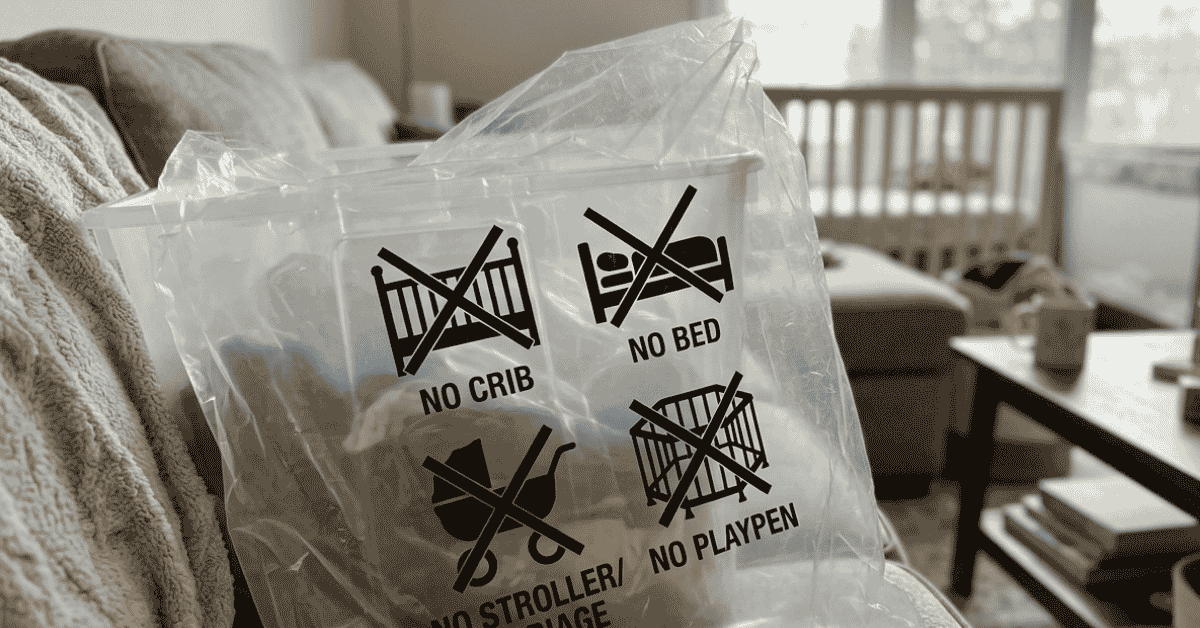
do not use in cribs beds carriages or playpens appears on many baby products, yet most parents never learn the full reason behind it. Learn the safety risks, expert guidance, and smart usage tips.
A few years ago, I noticed the phrase do not use in cribs beds carriages or playpens printed on a baby seat at a family gathering. Most people ignored it. One parent even joked that it was probably legal fine print. It wasn’t. That small warning carries a serious safety message. Many infant products include it for a reason. Understanding that reason can help parents make safer choices every day.
Why Does “Do Not Use in Cribs Beds Carriages or Playpens” Appear on Baby Products?
Many baby products include warning labels.
Some seem obvious.
Others feel confusing.
This warning belongs in the second group.
Manufacturers place it on products such as:
- Infant car seats
- Baby loungers
- Infant carriers
- Inclined sleepers
- Portable seats
The warning tells caregivers that the product was not designed for sleep inside another sleep environment.
Product Design Matters
Every baby product serves a specific purpose.
A car seat protects during travel.
A crib supports safe sleep.
A stroller helps with transportation.
Mixing those functions creates risk.
Sleep Safety Standards Differ
Products intended for infant sleep must meet strict requirements.
These often include:
- Flat sleeping surfaces
- Airflow considerations
- Stability testing
- Entrapment prevention
Many products carrying this warning do not meet those sleep-specific standards.
The Risk of Assumptions
Parents often think:
“If my baby falls asleep here, it must be safe.”
That assumption can create problems.
A sleeping infant and a sleeping environment are not the same thing.
Common Products With This Warning
| Product Type | Primary Purpose |
|---|---|
| Infant Car Seat | Vehicle safety |
| Baby Carrier | Transport |
| Infant Swing | Soothing |
| Lounger | Temporary placement |
| Travel Seat | Mobility |
Each product has a job.
Safe sleep is not always that job.
Sleep Risks Parents Often Overlook
Most safety incidents begin with good intentions.
Parents want convenience.
Parents want rest.
Parents want to avoid waking a sleeping baby.
I understand that feeling.
Still, sleep environments require careful attention.
Positioning Concerns
Infants have limited neck control.
Certain positions may affect breathing.
This becomes especially important for young babies.
A seat designed for travel may place a child’s body differently than a crib mattress.
Soft Surface Hazards
Beds create additional risks.
Blankets, pillows, and cushions can interfere with safe breathing.
Combining a product with an unsafe surface increases concern.
Stability Problems
A car seat placed on a mattress may not remain stable.
Movement can occur.
Tipping becomes possible.
Manufacturers test products for intended use, not every possible location.
Sleep Duration Matters
A short nap may seem harmless.
Longer sleep sessions create additional concerns.
Supervision becomes harder.
Position changes may go unnoticed.
Warning Signs to Take Seriously
Watch for:
- Chin dropping toward chest
- Unusual sleeping position
- Slumping
- Difficulty breathing
- Product instability
Any concern deserves immediate attention.
Safe Sleep Alternatives Parents Can Trust
Good alternatives exist.
That is the encouraging part.
Parents do not need to choose between convenience and safety.
Use Approved Sleep Spaces
Safe sleep areas typically include:
- Cribs
- Bassinets
- Play yards approved for sleep
These products are specifically designed with infant sleep safety in mind.
Follow the Flat Surface Rule
A firm, flat sleep surface remains one of the most important recommendations.
This setup helps support healthy positioning.
It also reduces unnecessary risks.
Keep Sleep Areas Simple
A simple setup works best.
Avoid:
- Loose blankets
- Pillows
- Stuffed animals
- Cushioned inserts
Less often means safer.
Moving a Sleeping Baby
Many parents hesitate.
Nobody wants to wake a peaceful infant.
Still, transferring a baby from a car seat to an approved sleep surface often remains the safer choice.
Quick Safety Guide
| Sleep Environment | Recommended |
|---|---|
| Approved Crib | Yes |
| Approved Bassinet | Yes |
| Safe Play Yard | Yes |
| Adult Bed | No |
| Sofa | No |
Consistency helps build safer habits.
Practical Tips for Everyday Parents
Real life gets busy.
Warnings become background noise.
That is completely understandable.
Yet small decisions add up.
Read Labels Carefully
Manufacturers place warnings for a reason.
Take a few seconds to review them.
Those moments can provide valuable information.
Create a Sleep Plan
Families benefit from preparation.
Think ahead about:
- Naptime locations
- Travel routines
- Overnight arrangements
- Caregiver instructions
Planning reduces rushed decisions.
Teach Everyone Involved
Grandparents.
Babysitters.
Relatives.
Friends.
Anyone caring for the child should understand safe sleep practices.
Consistency matters.
Avoid Convenience Traps
The easiest option is not always the safest.
A sleeping baby in a car seat may seem comfortable.
The intended use of the product still matters.
My Personal Perspective
Every time I see the phrase do not use in cribs beds carriages or playpens, I think about how easy it is to dismiss warning labels.
Most people are not careless.
They are busy.
That is exactly why these reminders exist.
A few extra seconds spent understanding a label can support safer choices for months or even years.
Small warnings often carry big meaning.
FAQs
Why does a baby product say do not use in cribs beds carriages or playpens?
The warning means the product was not designed or tested as a sleep environment and may not meet infant sleep safety requirements.
Can a baby sleep in a car seat placed inside a crib?
No. Car seats are designed for vehicle travel. Placing them inside a crib can create positioning and stability concerns for infants.
Is the warning only for newborn babies?
No. The guidance applies broadly because product design and intended use remain important regardless of the infant’s age.
Are playpens always safe for infant sleep?
Only approved play yards intended for sleep should be used. Always follow the manufacturer’s instructions and safety recommendations.
Should I move my baby from a carrier to a crib for naps?
If practical, transferring the baby to an approved flat sleep surface helps support safer sleep conditions and proper positioning.