
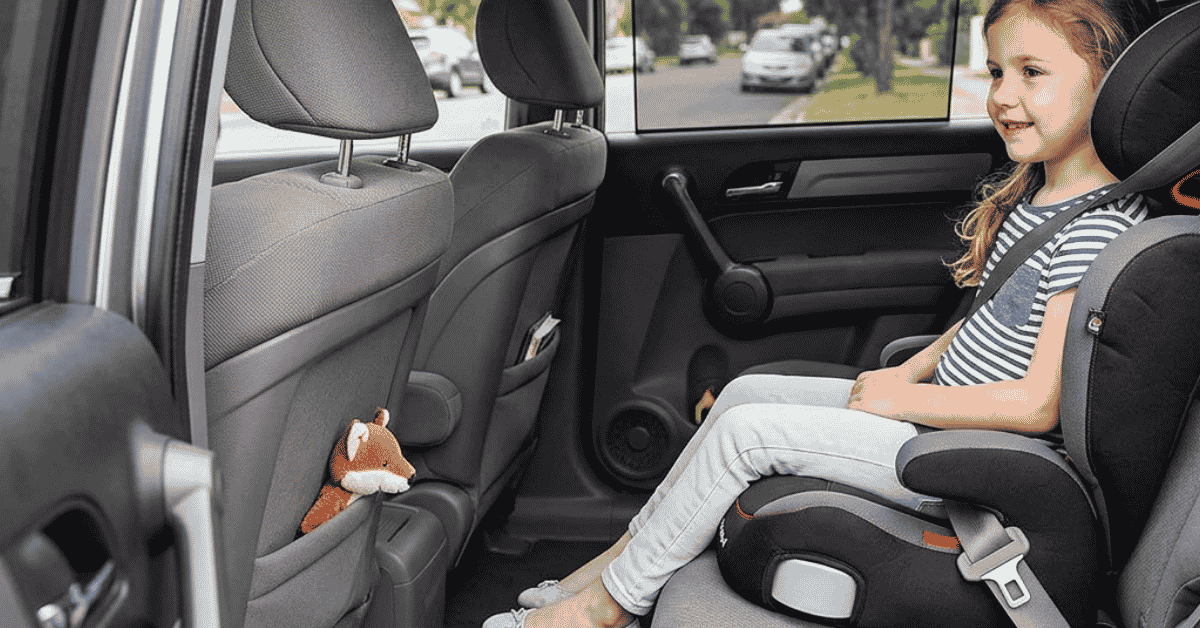
rodisport booster car seat gives growing kids comfort, support, and long-term usability. Discover whether it fits your family’s needs today.
I first heard about the Rodisport booster car seat from a parent at a soccer game. She mentioned that her son had finally stopped complaining during long rides. That got my attention. Many booster seats promise comfort and safety, but not all deliver both. After researching features, testing fit options, and comparing alternatives, I found several reasons families continue to consider this model. This guide covers practical benefits, installation basics, safety considerations, and buying advice so you can decide if the Rodisport booster car seat deserves a place in your vehicle.
Is the Rodisport Booster Car Seat a Smart Choice for Older Kids?
Many children eventually outgrow their forward-facing harness seat. At that stage, parents start looking for a booster that supports proper seat belt positioning while keeping rides comfortable. The transition can feel like a big step. Safety remains important, but comfort suddenly becomes a major factor too.
The Rodisport booster car seat often attracts attention because it combines adjustable features with extended usability. Parents appreciate products that grow with their children. Instead of replacing seats frequently, many families prefer a model designed to support several years of development and changing needs.
Reasons Parents Consider This Booster
Common benefits include:
- Adjustable headrest positions
- Extended growth range
- Comfortable seat padding
- Easy vehicle fit
- Seat belt guidance features
- Long-term value
Children Who May Benefit Most
The seat often works well for:
- School-age children
- Daily commuters
- Long-distance travelers
- Families seeking longevity
Key Areas Parents Compare
| Feature | Parent Benefit |
|---|---|
| Adjustable headrest | Better fit |
| Booster functionality | Extended use |
| Side support | Added comfort |
| Compact footprint | Easier vehicle fit |
| Durable materials | Long lifespan |
A booster should fit both the child and the vehicle properly for best results.
Rodisport Booster Car Seat Features That Matter Most
Marketing materials often focus on appearance. Real-world use tells a different story. Parents usually care about comfort, safety, and convenience once the seat enters daily life. The Rodisport booster car seat includes several practical features designed to support growing children through different stages.
One detail I always examine first is adjustability. Children grow rapidly. A booster that adapts over time often provides greater value than one with limited adjustment options. Features that support proper seat belt positioning can also help improve everyday usability.
Adjustable Headrest System
This feature supports changing height needs.
Benefits include:
- Improved comfort
- Better positioning
- Longer usability
Side Impact Support
Many booster seats include reinforced side structures.
Potential advantages:
- Additional head support
- Enhanced comfort
- Better ride stability
Seat Belt Positioning Guides
Proper seat belt placement matters.
Guides help:
- Maintain alignment
- Improve fit
- Encourage proper use
Comfortable Cushioning
Long rides become easier when children remain comfortable.
Parents often appreciate:
- Padded seating surfaces
- Supportive design
- Reduced complaints during travel
Features Worth Comparing
| Feature | Why It Matters |
|---|---|
| Headrest adjustment | Accommodates growth |
| Belt guides | Better positioning |
| Side support | Comfort and stability |
| Seat padding | Travel comfort |
| Booster design | Long-term use |
Comfort often plays a larger role than many parents expect.
Questions to Ask Before Buying
Consider:
- Does it fit your vehicle?
- Does it fit your child’s size?
- Will it support future growth?
- Is daily use simple?
Answering these questions can simplify the buying process.
How to Use a Rodisport Booster Car Seat Correctly
Even the best booster seat cannot perform properly without correct use. Proper seat belt positioning remains one of the most important factors in booster safety. Parents should take time to learn how the seat works before relying on it for everyday transportation.
I have seen children move shoulder belts behind their backs because they felt uncomfortable. That practice reduces protection. A properly adjusted booster helps keep the belt where it belongs while improving comfort enough that children are less tempted to reposition it incorrectly.
Step 1: Place the Booster Correctly
Position the booster flat on the vehicle seat.
Check:
- Stable placement
- Proper alignment
- No rocking movement
Step 2: Adjust the Headrest
The headrest should match the child’s height.
Verify:
- Comfortable positioning
- Proper support
- Correct belt routing
Step 3: Position the Lap Belt
The lap belt should rest:
- Low across hips
- Against upper thighs
- Away from the stomach area
Step 4: Position the Shoulder Belt
The shoulder belt should:
- Cross the chest
- Rest on the shoulder
- Avoid the neck
Step 5: Perform a Final Check
Confirm:
- Child sits upright
- Belt remains positioned correctly
- Booster stays stable
Common Usage Mistakes
Avoid:
- Loose seat belts
- Twisted webbing
- Shoulder belt behind the back
- Incorrect headrest height
- Slouching posture
Daily Safety Review
| Check Item | Goal |
|---|---|
| Lap belt fit | Low and snug |
| Shoulder belt fit | Centered |
| Headrest position | Correct height |
| Child posture | Upright |
| Booster stability | Secure |
Simple checks can help maintain safe travel habits.
Getting the Most Value From Your Rodisport Booster Car Seat
Many parents want a booster that lasts through multiple growth stages. The Rodisport booster car seat often appeals because of its adjustability and long-term usability. Taking care of the seat properly helps maximize value while supporting ongoing safety.
I recommend conducting regular inspections. Children use booster seats daily. Wear and tear naturally develop over time. Small issues become easier to address when identified early. Consistent maintenance also helps keep the seat comfortable and presentable.
Monthly Inspection Routine
Look for:
- Cracks
- Damaged fabric
- Loose parts
- Missing labels
- Belt guide wear
Cleaning Tips
Follow manufacturer instructions.
Generally:
- Use mild cleaning products
- Avoid harsh chemicals
- Air dry when appropriate
- Inspect after cleaning
Signs It May Be Time to Replace
Consider replacement if:
- Components break
- Seat expires
- Damage appears
- Safety labels disappear
Helping Children Use It Correctly
Parents can encourage good habits by:
- Explaining seat belt importance.
- Demonstrating proper positioning.
- Checking fit regularly.
- Correcting mistakes quickly.
- Leading by example.
Buying Advice for Families
Before purchasing:
- Measure vehicle space.
- Review child size requirements.
- Compare adjustment ranges.
- Check installation instructions.
- Consider long-term growth needs.
A booster seat should support both safety and comfort. When those two factors work together, children often accept the transition more easily and ride more comfortably for years.
Frequently Asked Questions
What age is appropriate for a Rodisport booster car seat?
Eligibility depends on height, weight, and maturity. Always follow the manufacturer’s requirements for safe booster use.
Does the Rodisport booster car seat adjust as children grow?
Yes. Adjustable features help accommodate growth and improve comfort throughout different development stages.
Can this booster fit in smaller vehicles?
Many families report good compatibility, but measuring available space before purchase remains a smart practice.
How should the seat belt fit when using a booster?
The lap belt should stay low across the hips, while the shoulder belt crosses the center of the chest and shoulder.
How often should a booster seat be inspected?
A quick monthly inspection helps identify wear, damage, or fit concerns before they become larger problems.